


Ihumate and Vietnam ILS Advance Microbial Fertilizer Cooperation
Ihumate | August 21, 2026
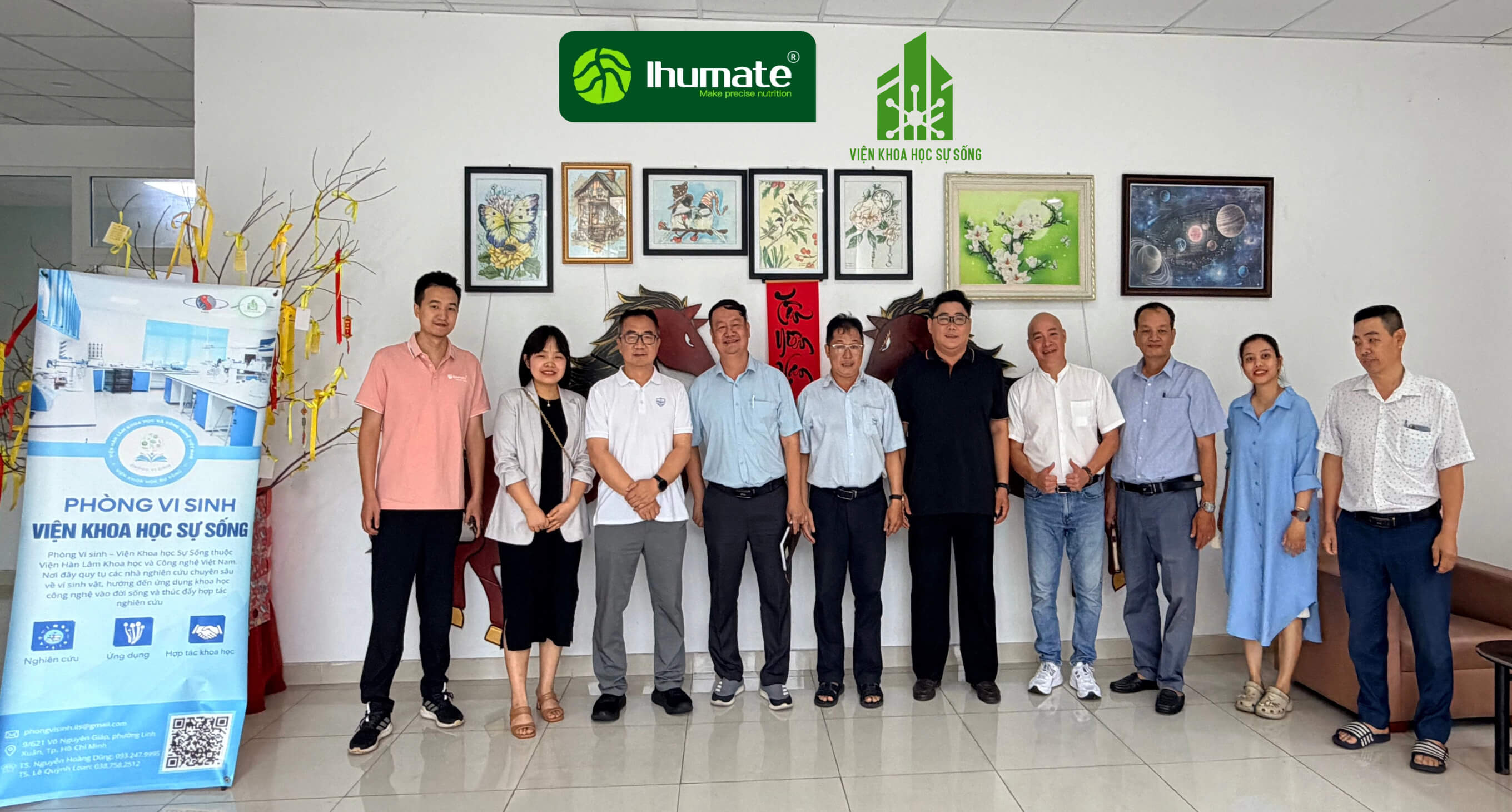
Table of Contents
- Ihumate visits a national research institute in Vietnam
- Scientific capabilities of the Institute of Life Sciences
- Microbial inoculants in fertilizer applications
- Building a foundation for R&D cooperation
- Supporting sustainable agriculture in Southeast Asia
- Sources
Ihumate visits a national research institute in Vietnam
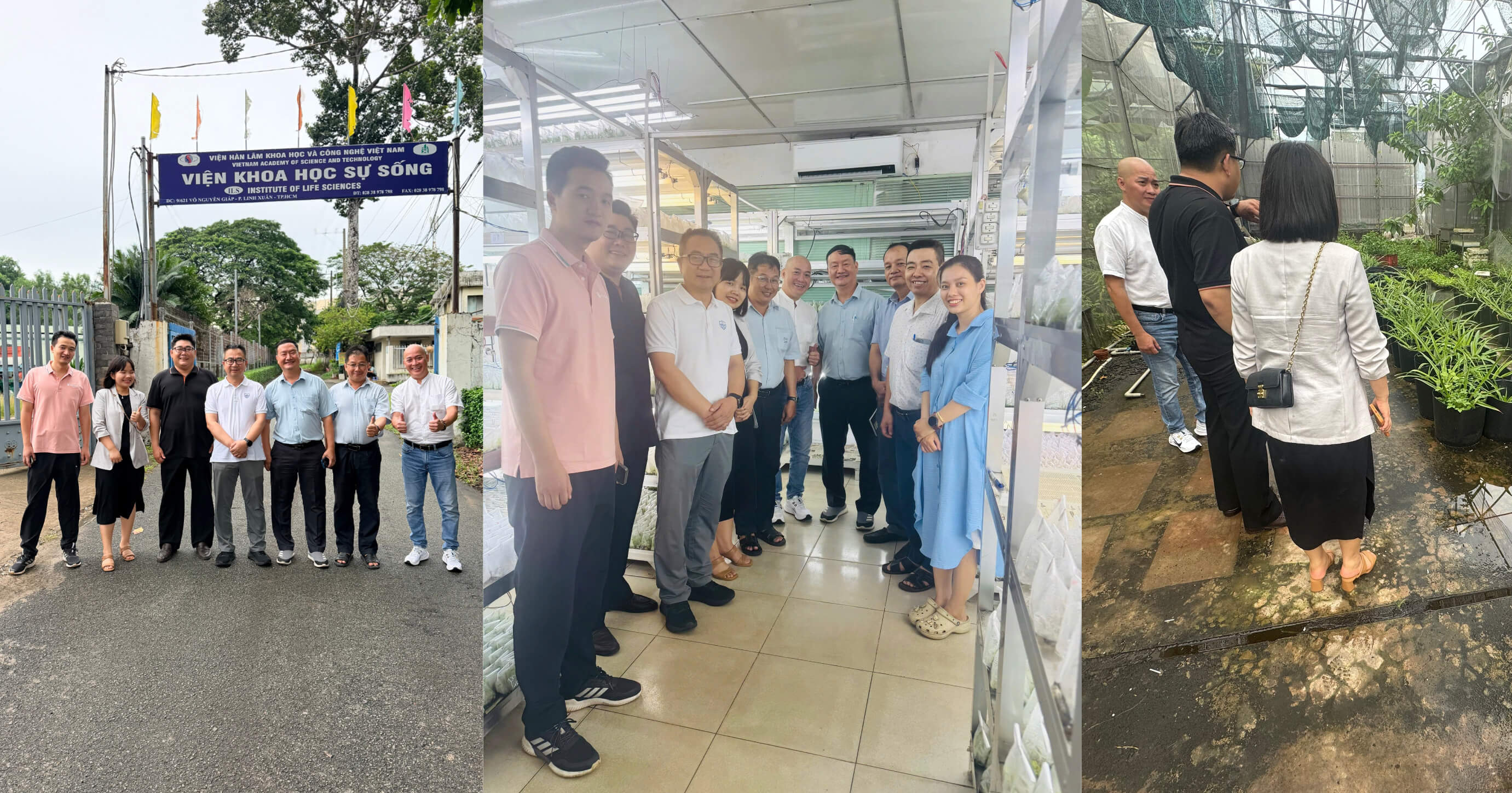
The Ihumate team recently visited the Institute of Life Sciences (Viện Khoa học Sự Sống) in Vietnam and met with Dr. Nguyễn Hoàng Dũng, Head of the Department of Microbiology and a senior researcher, together with other institute scientists. The teams discussed the use of functional microorganisms in fertilizers, soil health and crop nutrition, and exchanged views on future cooperation.
ILS is part of the national research system of the Vietnam Academy of Science and Technology (VAST). The visit connected Ihumate's industrial experience in humic substances, seaweed extracts, specialty fertilizers and microbial inputs with the institute's capabilities in microbial resources, biotechnology and applied research.
Scientific capabilities of the Institute of Life Sciences
According to the official VAST profile, the Institute of Life Sciences conducts basic and applied life-science research, technology development, pilot production, advanced training and international cooperation. Its research structure includes microbiology, plant and agricultural biotechnology, genetics, biochemistry and environmental science.
The ILS website identifies Dr. Nguyễn Hoàng Dũng as Head of its Department of Microbiology. The department studies microbial physiology, biochemistry and genetics, microbial resources and environmental microbiology, while supporting application and technology transfer.
Microbial inoculants in fertilizer applications
The discussion focused on turning functional strains into stable agricultural inputs that can be produced and applied at scale. Topics included strain screening and functional validation, microbial survival in fertilizer carriers, compatibility with nutrients and organic bioactive compounds, rhizosphere colonization, soil-microbiome regulation and field-performance evaluation.
A reliable microbial fertilizer requires more than a high initial viable count. Production, storage, transport, application method and performance under different soils and climates must also be considered. Collaboration between researchers and manufacturers can help move promising laboratory strains through formulation validation and into responsible agricultural use.
Building a foundation for R&D cooperation
Ihumate and ILS researchers are preparing to explore further cooperation on microbial fertilizer applications. Potential work includes matching functional strains to use cases, evaluating formulation compatibility, validating product stability and designing trials for priority crops and soil constraints. Detailed activities will be defined through subsequent technical assessment and joint planning.
The exchange establishes a foundation for a long-term, evidence-based R&D relationship and supports Ihumate's continued development of microbial fertilizers, biostimulants and soil-health solutions.
Supporting sustainable agriculture in Southeast Asia
Vietnam and the wider Southeast Asian region combine warm, humid conditions, intensive crop rotations and important high-value crops. These systems create clear demand for rhizosphere health, nutrient-use efficiency and sustainable soil management. Ihumate will continue connecting industrial application with authoritative research platforms, using trial data and regional validation to advance the responsible use of microbial technologies in fertilizers and crop programs.
Relevant Ihumate Products
For the nutrient, soil and crop-management topics discussed above, explore: AgroPha G31 Bacillus velezensis, BioShield Microbial Biocontrol Powder, AgroPha PGA Polyglutamic Acid Liquid, Desalt Plus.