



BIOSTIMU
- Appearance: Brown Liquid
- Amino Acid: > 45%
- Alginic Acid: > 0.5%
- AgroPha GABA: > 0.5%
- Compound Vitamin: 500 ppm
- Density: 1.25
Reference price range:USD 3300 - 5000
BIOSTIMU
(BIOSTIMU)
High Amino Acids + GABA + Alginic Acid: BIOSTIMU Liquid Biostimulant
BIOSTIMU addresses slow establishment after transplanting, concentrated nutritional demand after flowering, and uneven growth following heat or short drought spells. This brown liquid has a density of 1.25 and contains > 45% amino acids, 0.5% alginic acid, 0.5% AgroPha GABA and 500 ppm compound vitamins. It brings amino acid nutrition, a seaweed-derived fraction and GABA-linked abiotic stress management into one application.
For fruit and vegetable crops, cereals and other high-value crops, use it at defined stages: after roots resume growth, during vigorous growth, around flowering and early fruit development, or near a forecast stress event. Crop response depends on timing, environment and application method. Keep basal NPK, irrigation and appropriate crop-protection measures in the program.
BIOSTIMU Specifications
| Technical Parameters | Detailed Specs | Testing Methods | Reference Standards |
|---|---|---|---|
| Appearance | Brown Liquid | - | - |
| Amino Acid | > 45% | - | - |
| Alginic Acid | > 0.5% | - | - |
| AgroPha GABA | > 0.5% | - | - |
| Compound Vitamin | 500 ppm | - | - |
| Density | 1.25 | - | - |
Wosheng - Introduction Video
- Multi-component formula for critical stages
- > 45% amino acids for recovery nutrition
- > 0.5% alginic acid for root-zone programs
COA, TDS, MSDS & HM Test Reports
Certificate of Analysis (COA)
Certificate of Analysis: BIOSTIMU
Technical Data Sheet (TDS)
TDS: BIOSTIMU
Safety Data Sheet (MSDS)
MSDS: BIOSTIMU
Heavy Metal Test Report
Heavy Metal Test Report: BIOSTIMU
Download Support
Need custom documents or specific test results?
Frequently Asked Questions


1
What does BIOSTIMU contain?
> 45% amino acids, 0.5% alginic acid, 0.5% AgroPha GABA and 500 ppm compound vitamins, at density 1.25.
2
Which crops and stages are relevant?
According to the local label, consider fruit and vegetable crops, cereals and other high-value crops after transplanting, from post-bloom to young fruit, and around heat or drought recovery.
3
How are foliar and fertigation rates determined?
Follow the product label for foliar dilution, root-zone rate and interval, then verify crop response on a small local area.
4
Can BIOSTIMU be tank mixed?
Check both labels and perform a jar test. Pay particular attention to alkaline and copper-containing products.
5
Are you a trading company or a manufacturer?
We are a professional manufacturing enterprise. Our modern factory is located in Huozhou, Linfen, Shanxi, China. With an annual capacity of 500,000 tons, we invite global partners to visit our facility.
6
How do you perform quality control?
7
Do you provide samples?
8
What are the payment terms?
9
How can I track my shipment after payment?
10
What is the Minimum Order Quantity (MOQ)?
11
Can you customize packaging or print our logo?
12
How long is the delivery time?
More questions about our products?
Application & Dosage: BIOSTIMU
Agronomic guidance: prioritize the period after transplant establishment, post-bloom to young fruit enlargement, and recovery around heat or short drought events. Determine foliar dilution, root-zone rate and interval from the product label and local crop trials. Begin on a small area and inspect foliage and growth before repeating.
Foliar application
- Nutrition at key stages:After establishment, during vigorous growth or from post-bloom to young fruit, dilute according to the label and cover both leaf surfaces evenly. Avoid midday heat, strong sun and imminent rain.
- Use around stress:Plan ahead of expected heat or drought. For severely stressed crops, restore water supply and physiological activity first; test a small area before wider spraying.
Fertigation, soil drench and mixing
- Root-zone delivery:Dilute thoroughly and distribute evenly with irrigation. Wet severely dry soil first, and avoid concentrated solution on roots. Use product label rates and locally validated intervals.
- Tank-mix order:Check both labels and perform a jar test before combining with fertilizer or pesticides. Start with water, add products one by one while mixing, and verify alkaline or copper-containing products carefully.
Product Advantages: BIOSTIMU
BIOSTIMU targets three practical problems: slow transplant recovery, gaps in nutritional supply at key stages and delayed growth after abiotic stress.
1
Multi-component formula for critical stages
Amino acids supply nutritional building blocks; alginic acid contributes a seaweed polysaccharide fraction; AgroPha GABA relates to stress-response metabolism; and compound vitamins complete the low-dose active blend. This liquid has a density of 1.25 and should be diluted for foliar or root-zone use as directed by the label. Any synergy under field conditions should be confirmed on the crop and site. Targeted timing is more useful than indiscriminate repeated applications.
2
> 45% amino acids for recovery nutrition
Amino acids are precursors of proteins and other nitrogen-containing metabolites. After transplanting, pruning or adverse weather, supplying them while the crop can still absorb nutrients may support metabolism and formation of new tissues. Foliar uptake and response vary with amino acid profile, concentration and growing conditions. The declared amino acid percentage is not a total nitrogen analysis and does not replace basal nitrogen fertilizer.
3
> 0.5% alginic acid for root-zone programs
Alginic acid is a hydrophilic seaweed-derived polysaccharide. It can be included in nutrition and water-management programs where irrigation is frequent or soil moisture fluctuates. Its contribution must be considered alongside uniform irrigation, organic matter and balanced fertilizer. Soil structure or water-holding outcomes cannot be guaranteed from the 0.5% content alone; field response depends on rate and soil conditions.
4
> 0.5% AgroPha GABA around stress periods
Gamma-aminobutyric acid, or GABA, is involved in plant carbon and nitrogen metabolism and responses to heat, drought and salinity. External GABA is best considered before a predictable stress period or in early recovery, as part of a wider program. First correct severe water shortage, waterlogging or overheating through irrigation, drainage and temperature management. BIOSTIMU is not a pest-control treatment.
5
500 ppm compound vitamins in the active blend
Compound vitamins add a low-dose fraction to the amino acid and GABA formulation. Individual vitamins differ in their roles in plant metabolism; the declared specification does not identify which vitamins are present or their separate concentrations. Specific claims for one vitamin are therefore inappropriate. Compare new leaf growth, leaf color and fruit-set behavior with an untreated strip before extending a program.
Certifications: BIOSTIMU
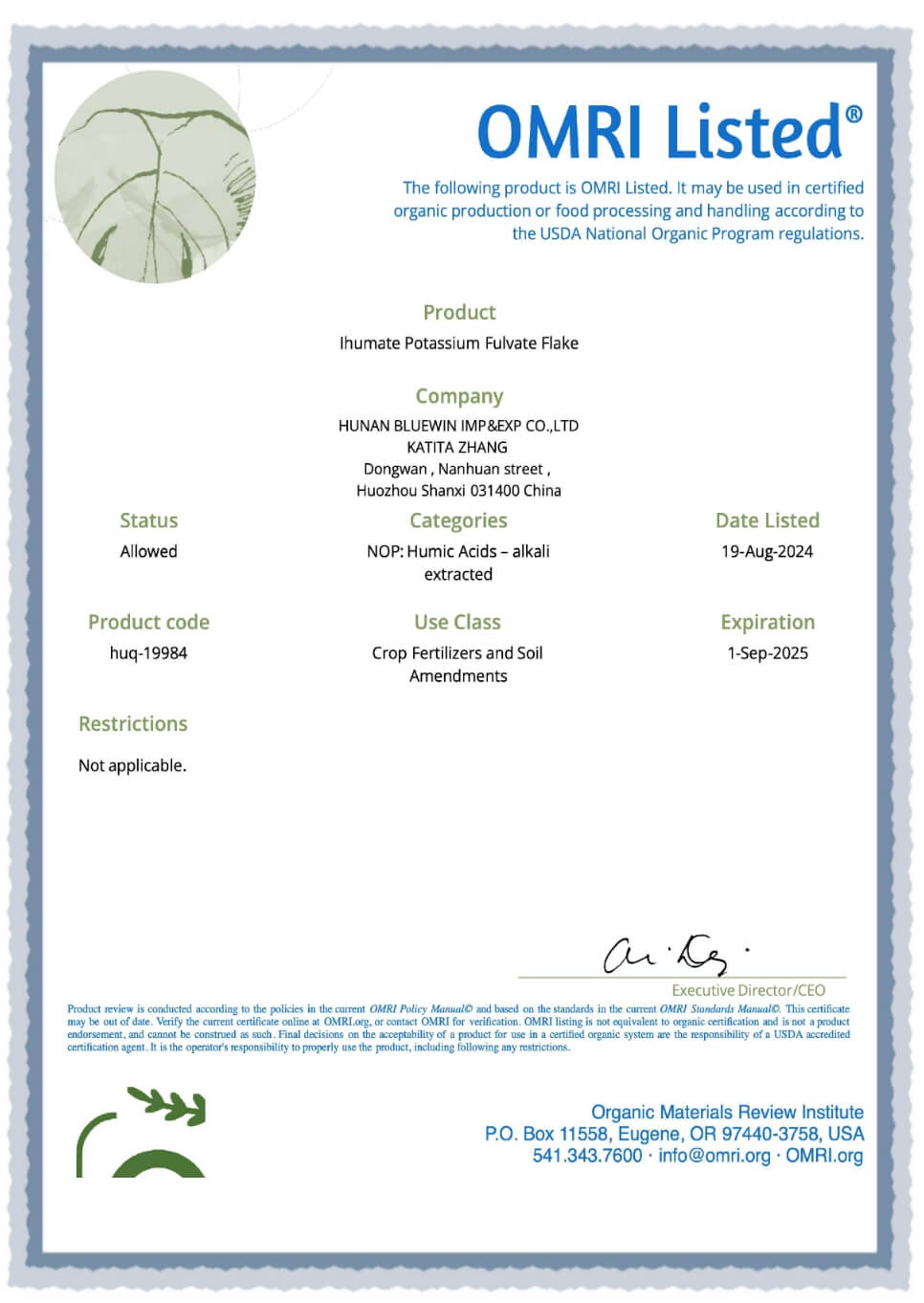
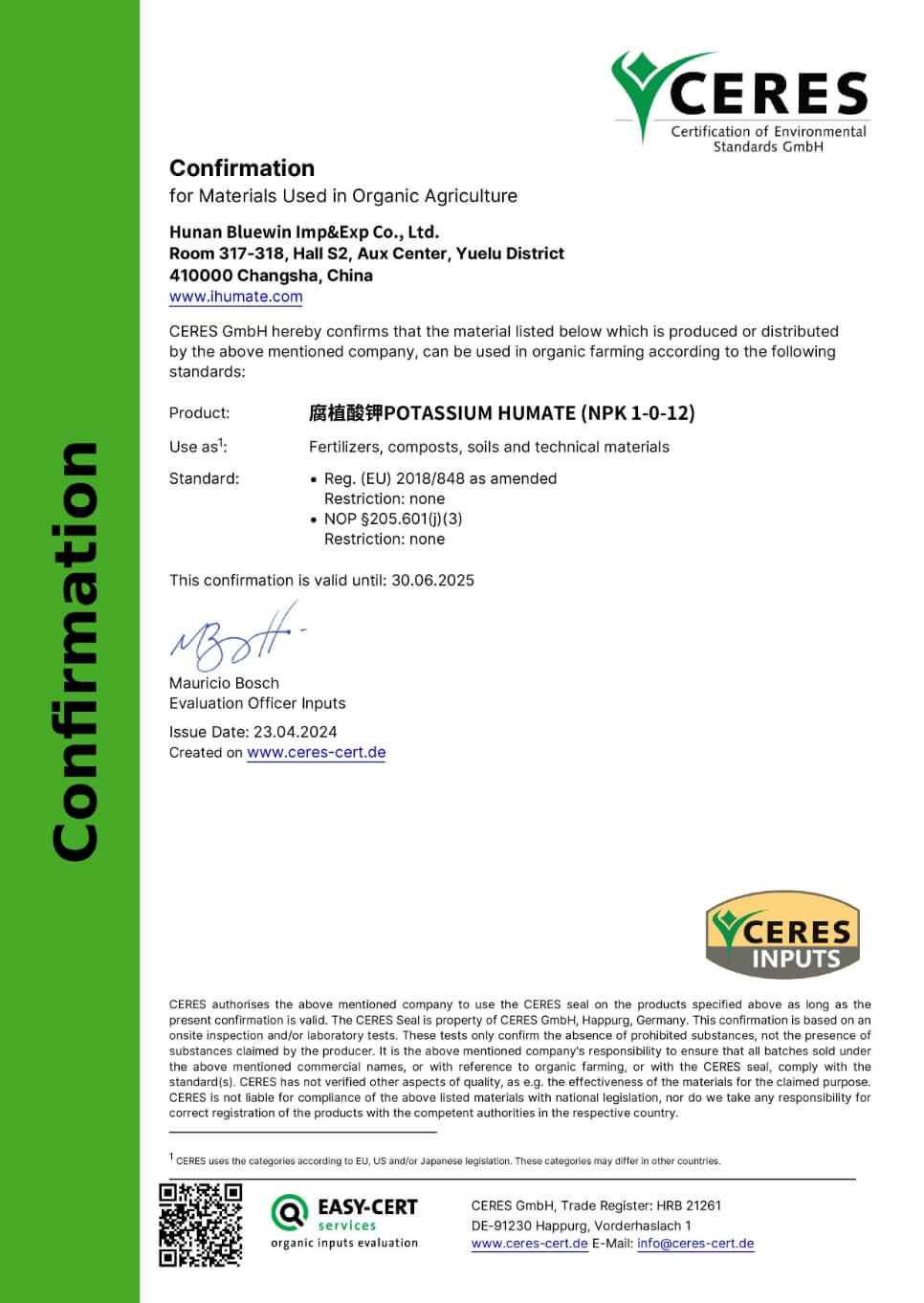
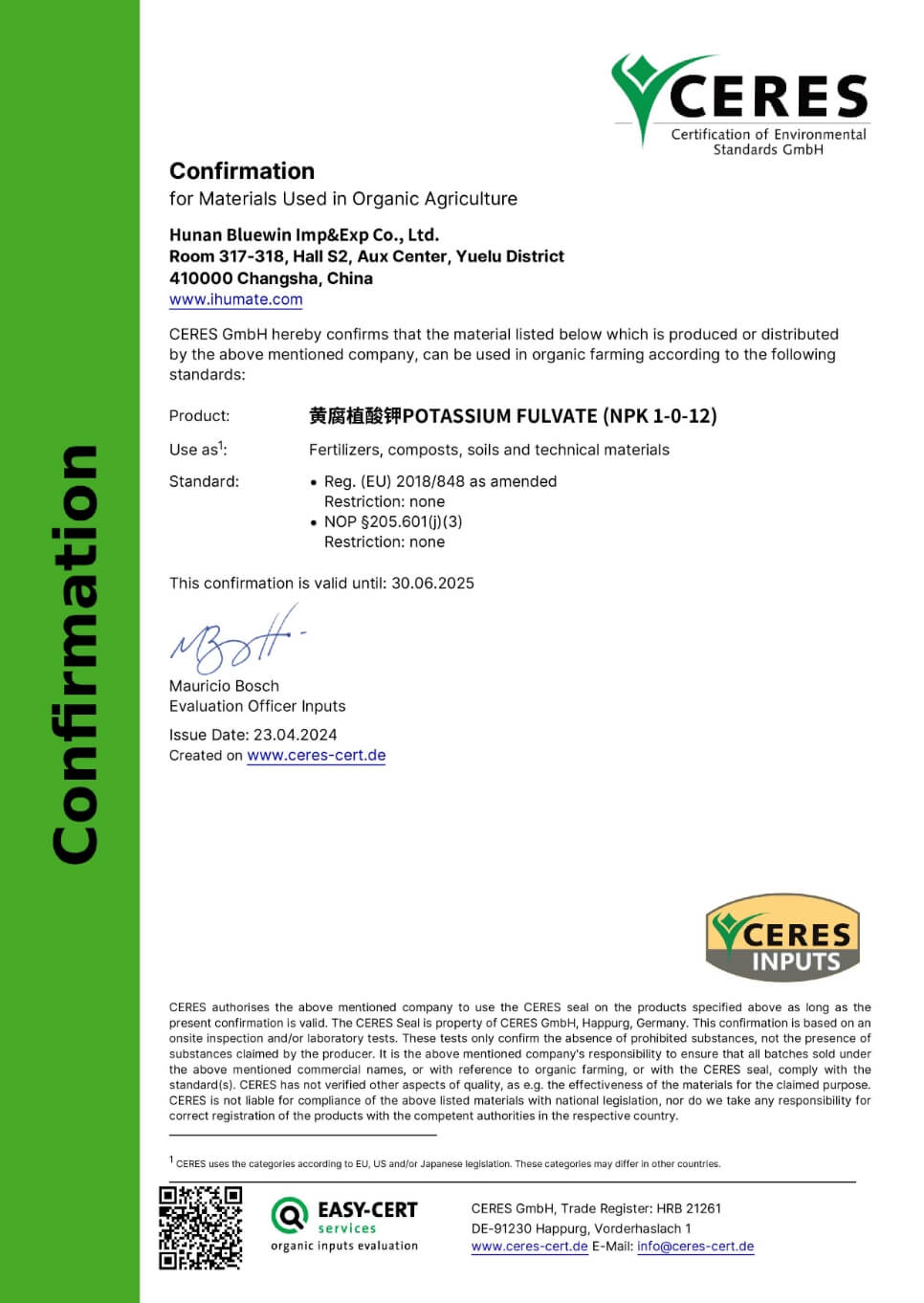
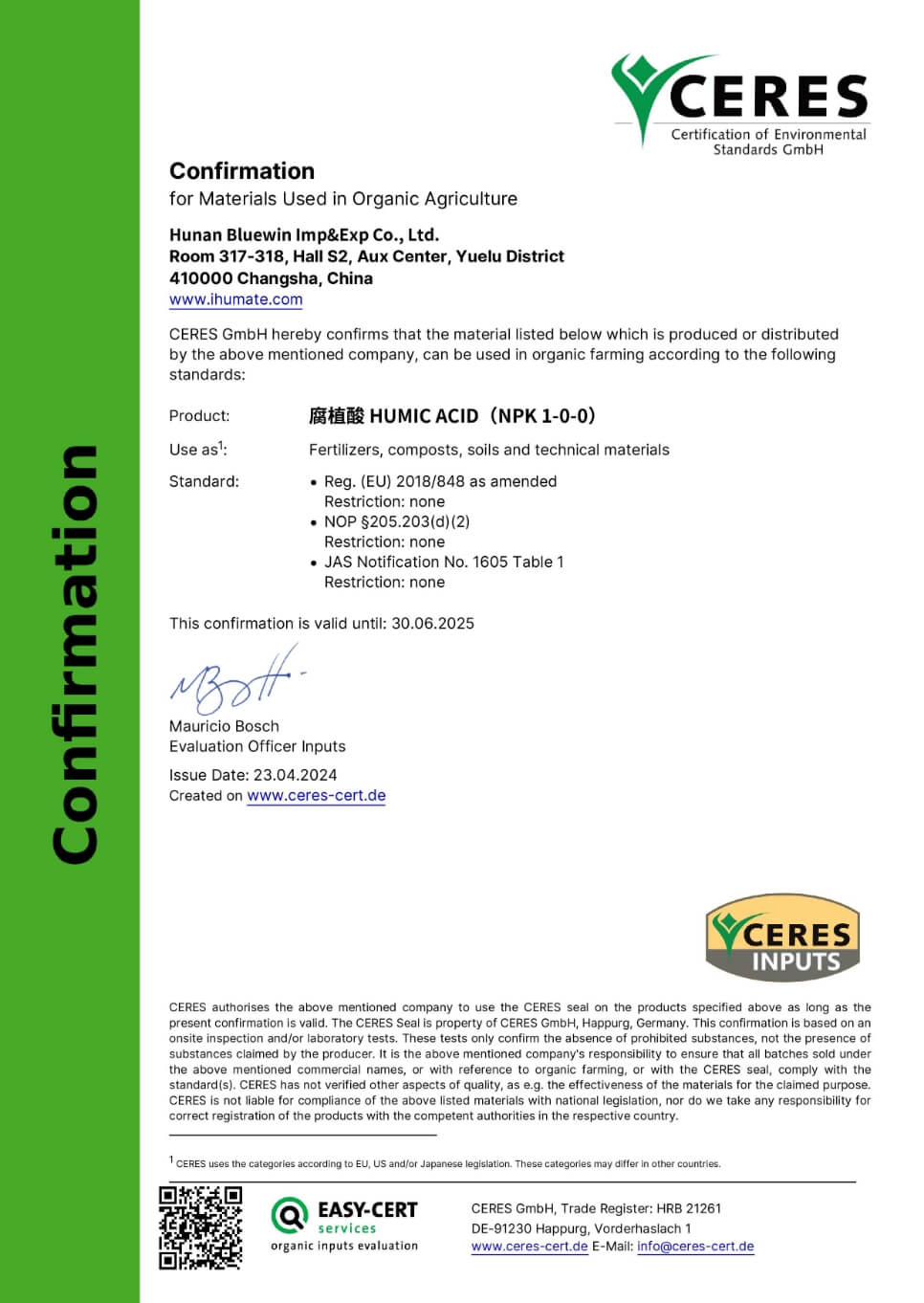
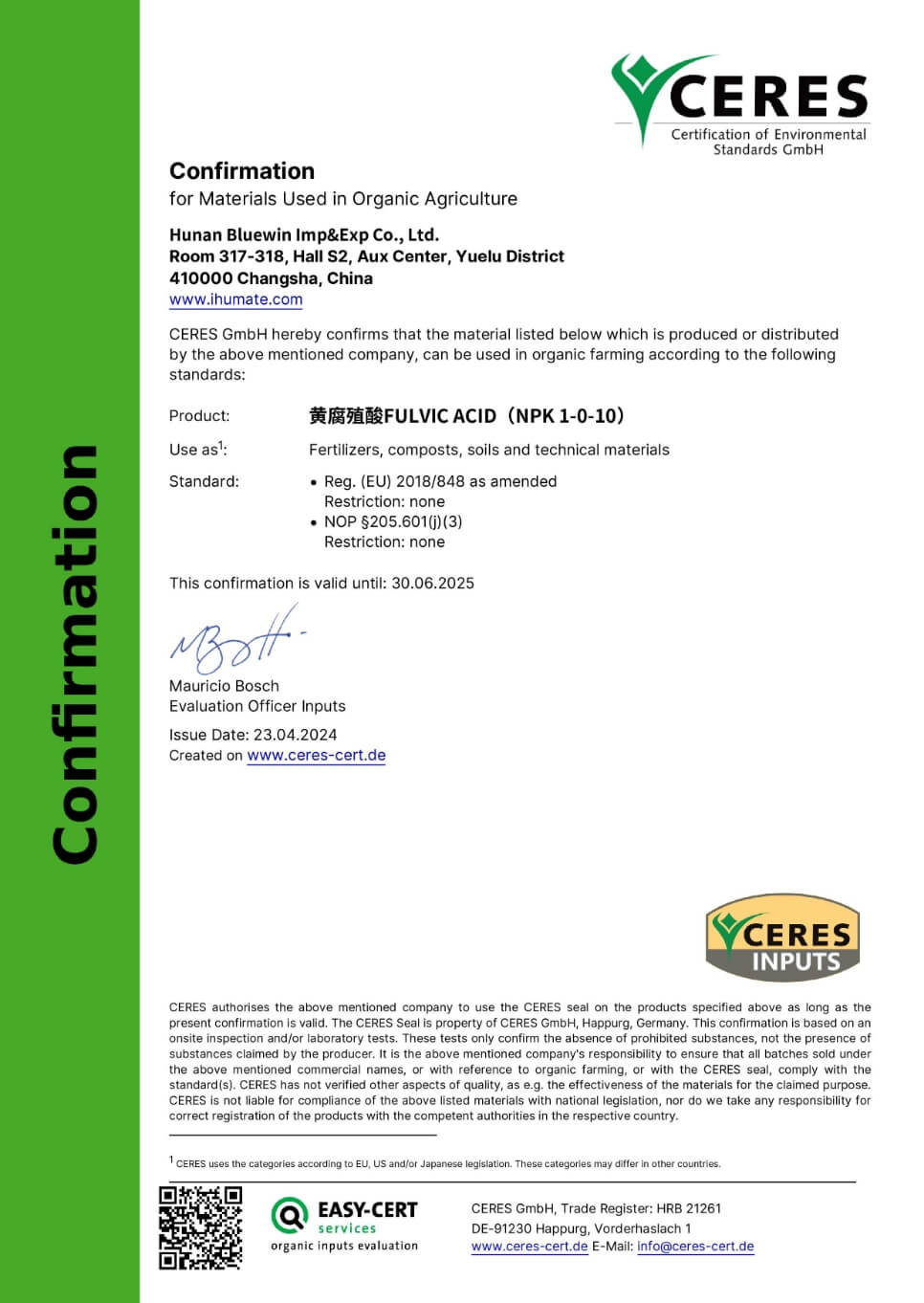
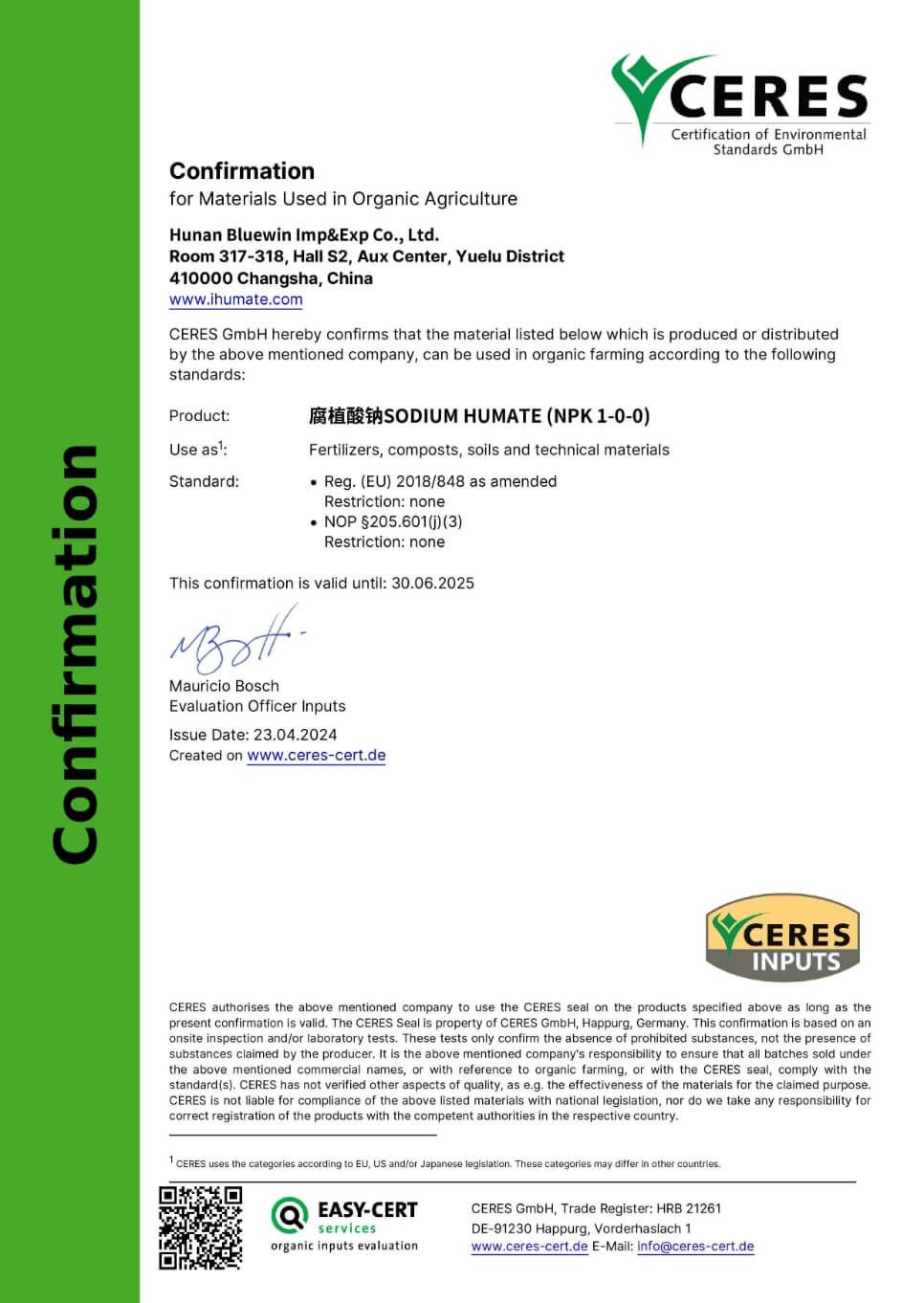
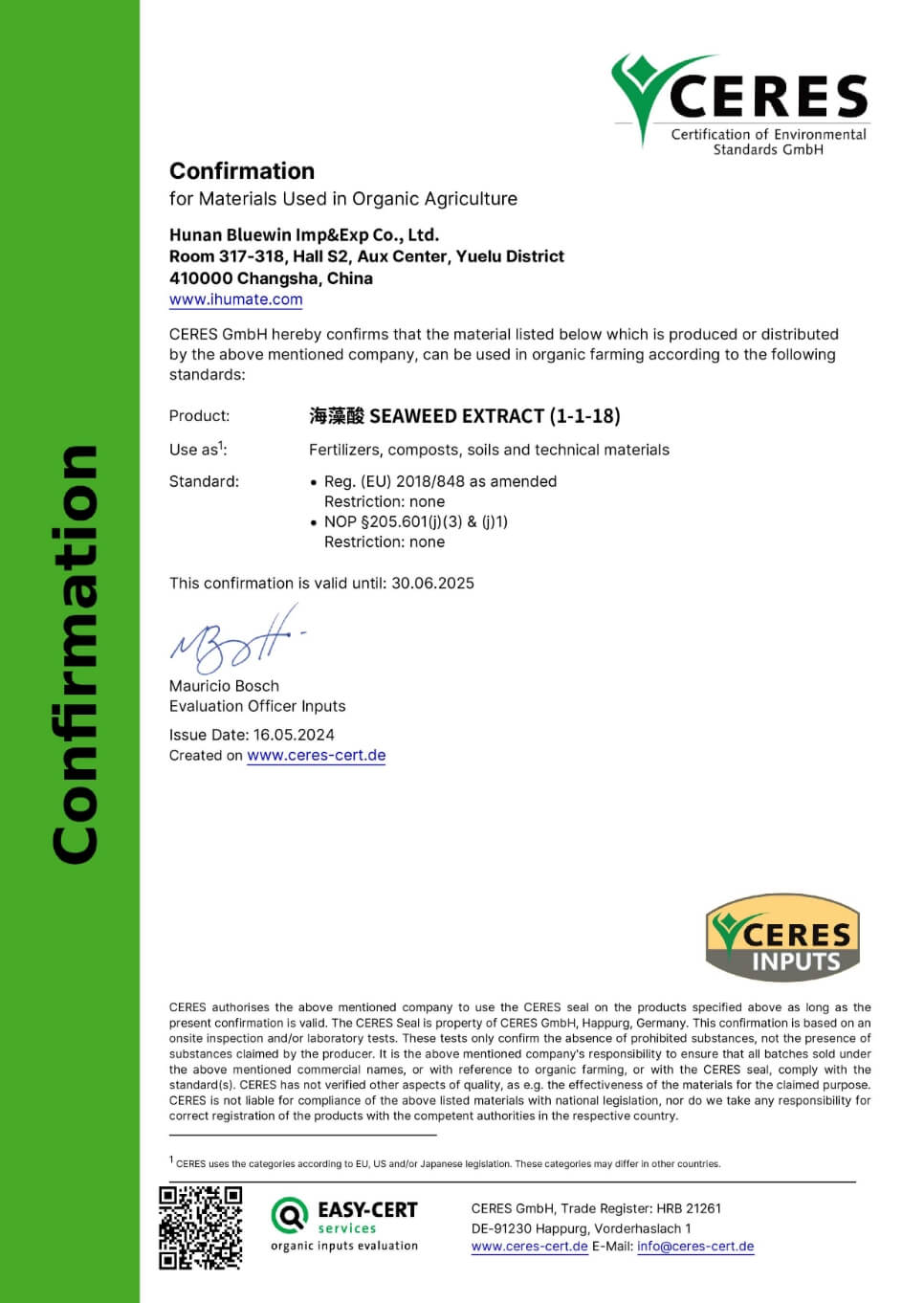
Ihumate is backed by globally recognized certifications.
- 🏅 OMRI Listed – Approved for organic use (USDA/NOP standards)
- 🏅 CERES Certified – High-standard organic inputs for sustainable agriculture
- ✔ Excellent international production process with full batch traceability
- ✔ Meeting the strict demands of global distributors and formulators
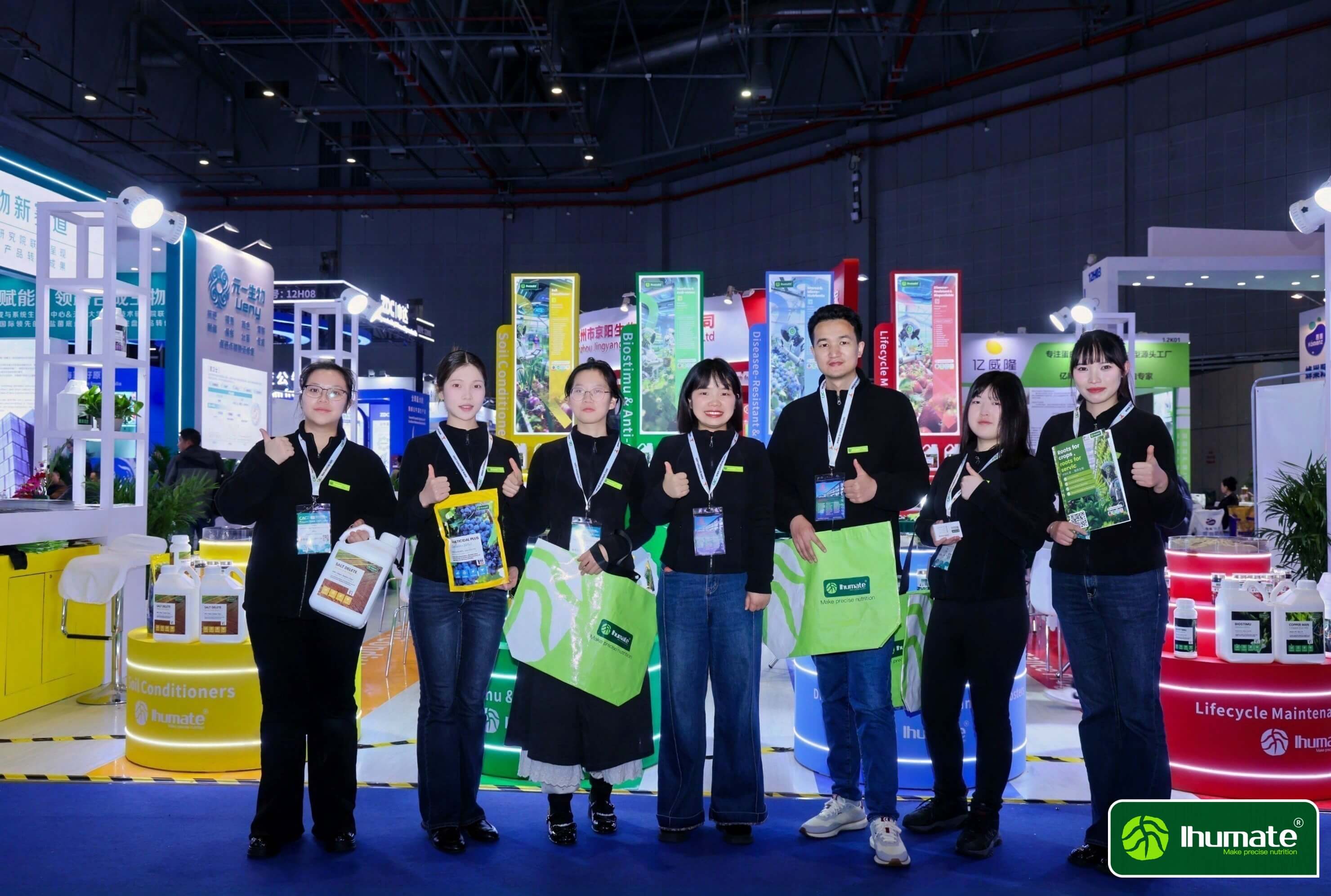
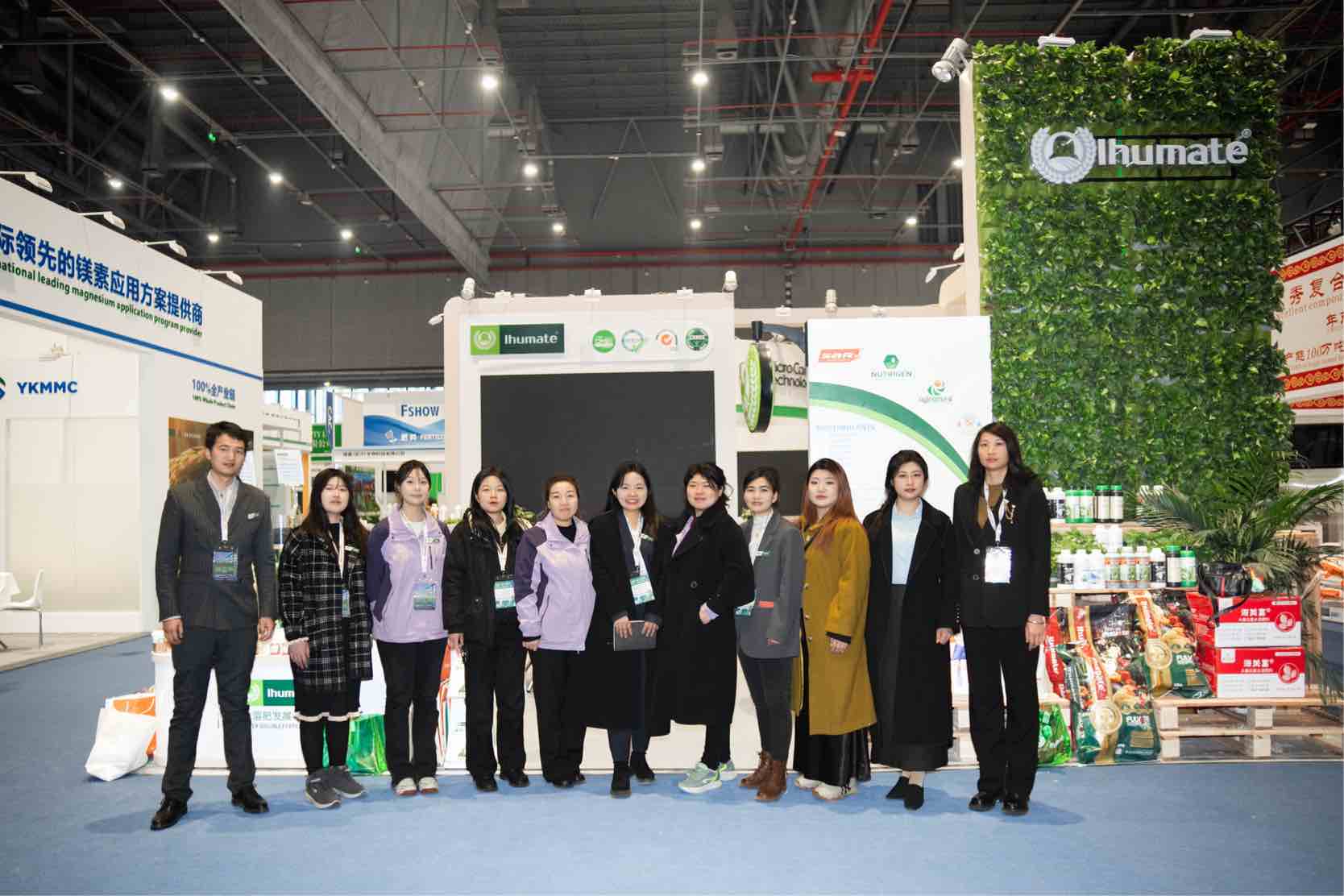
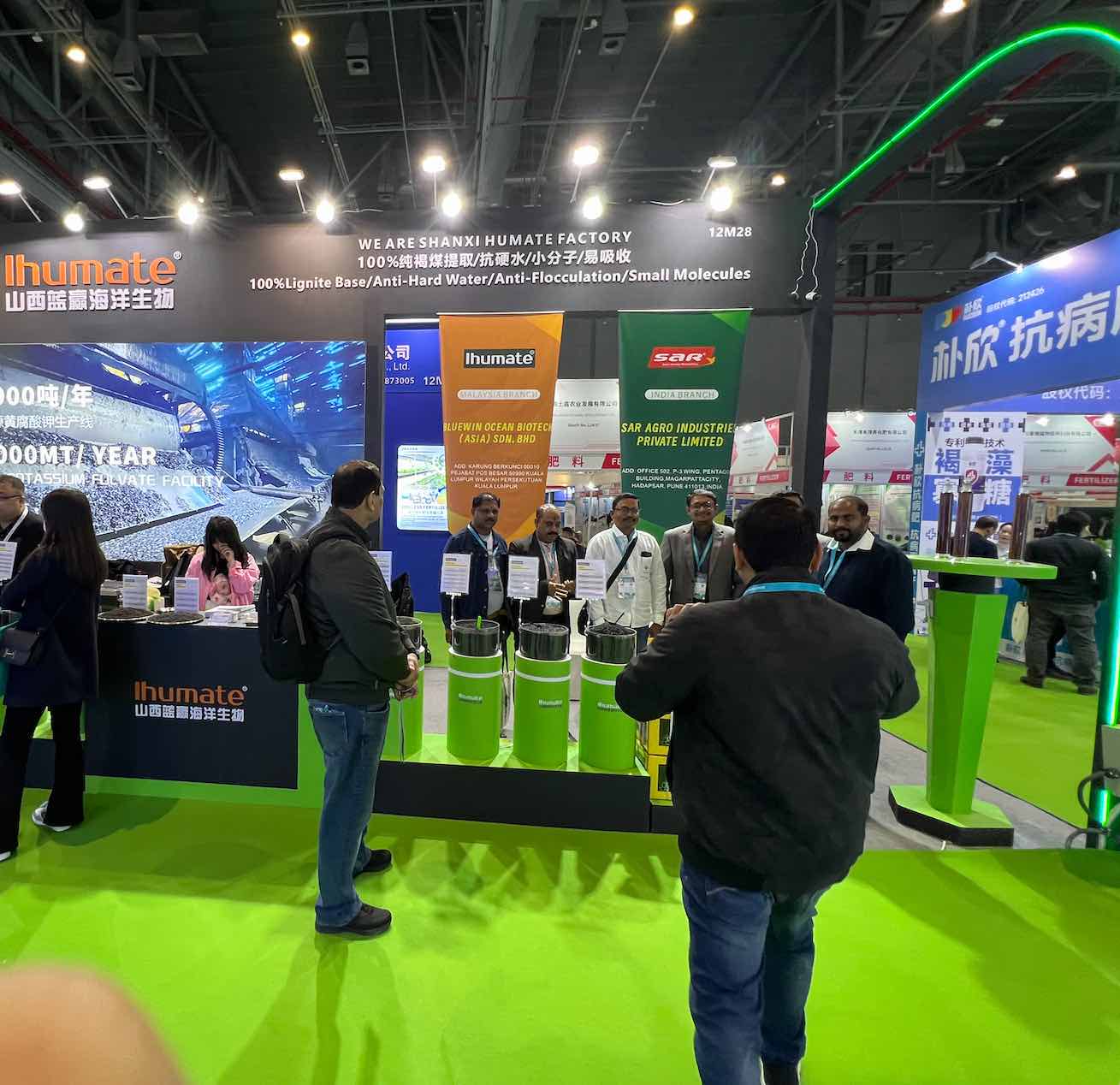
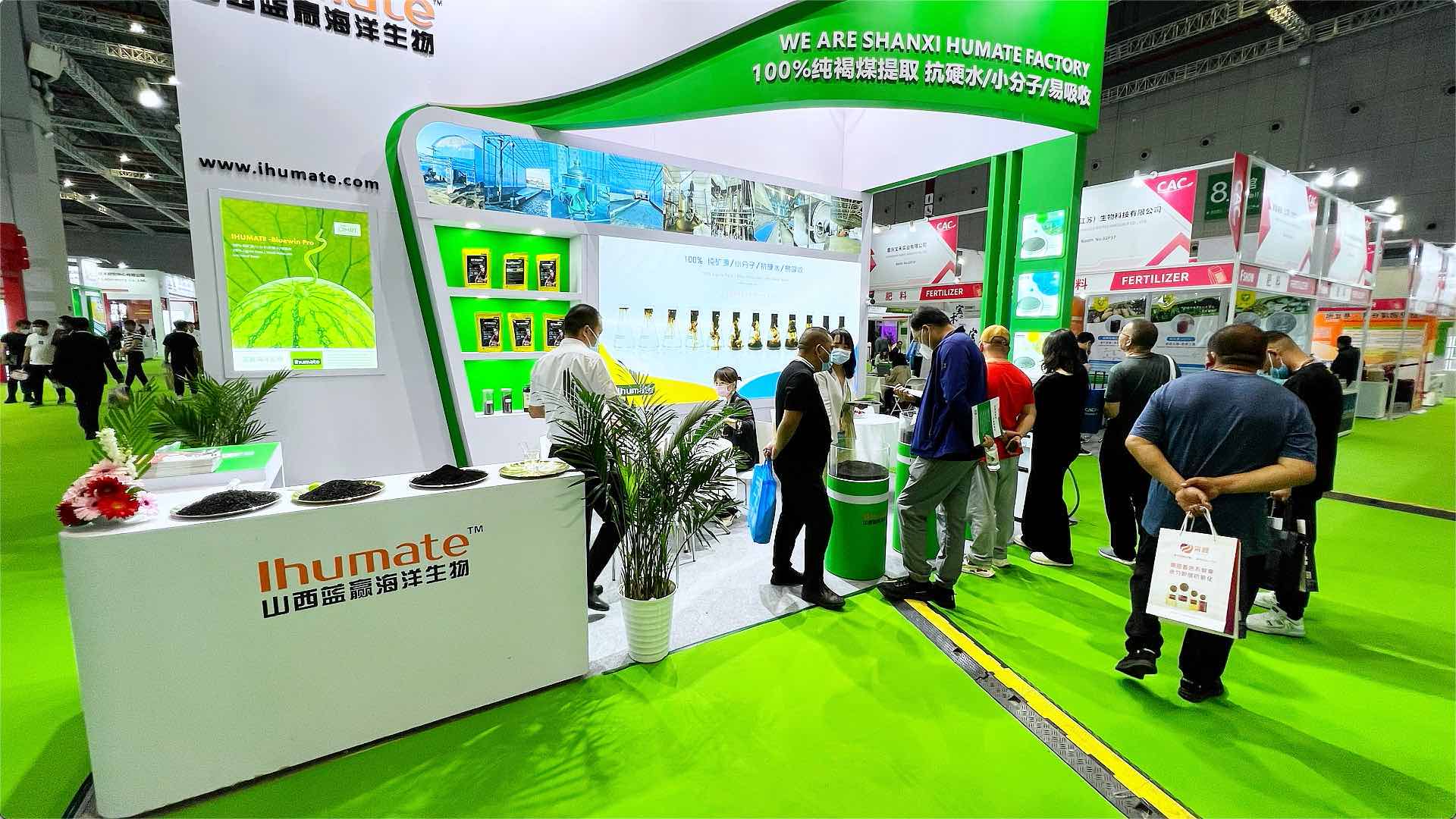
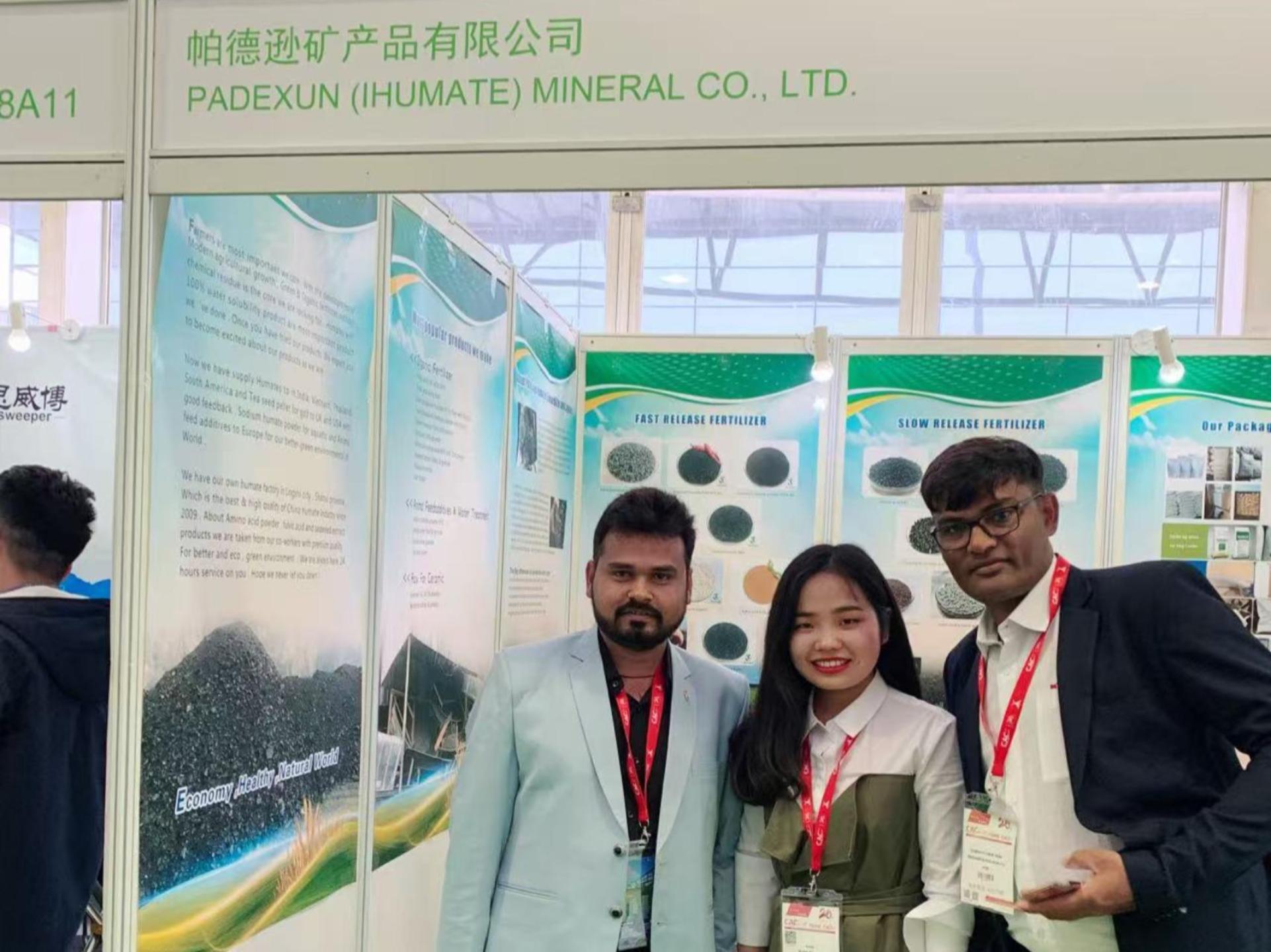
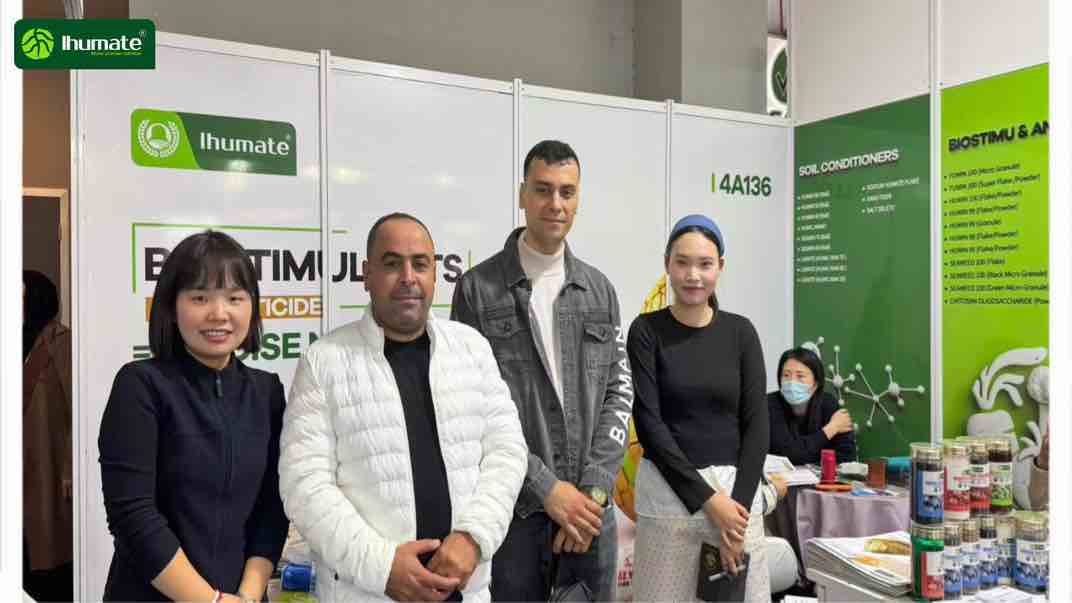
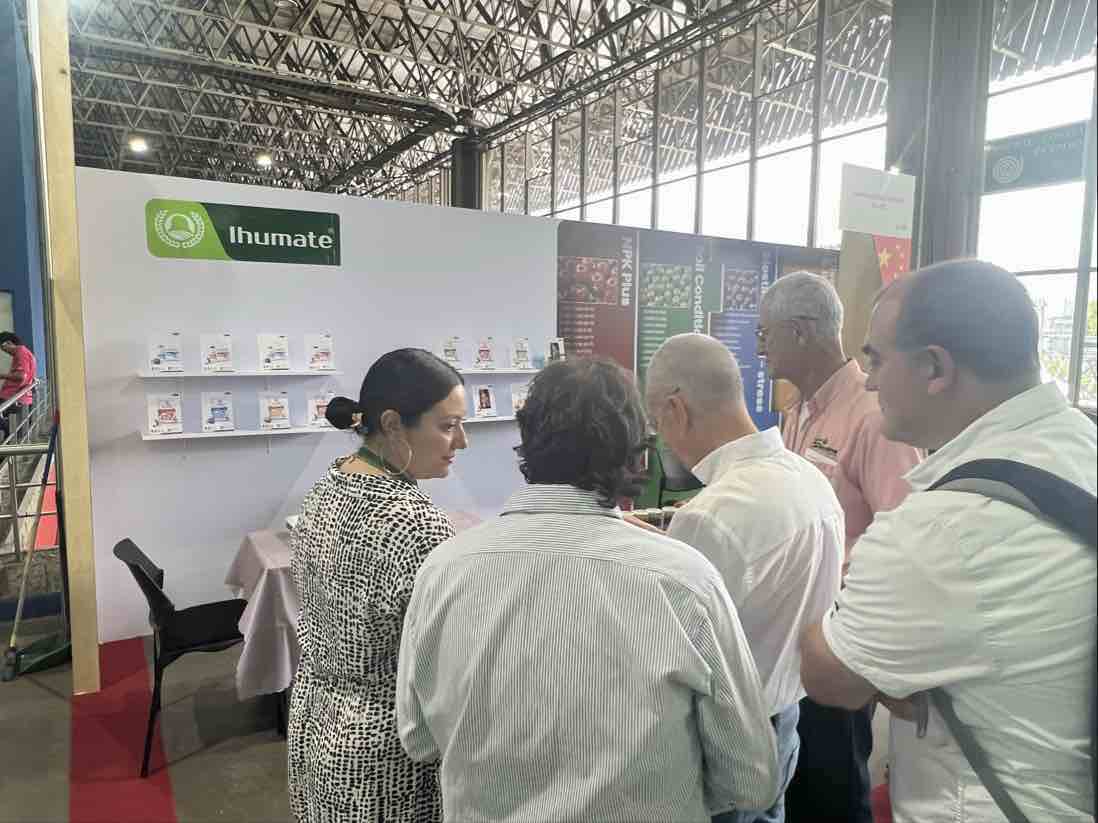
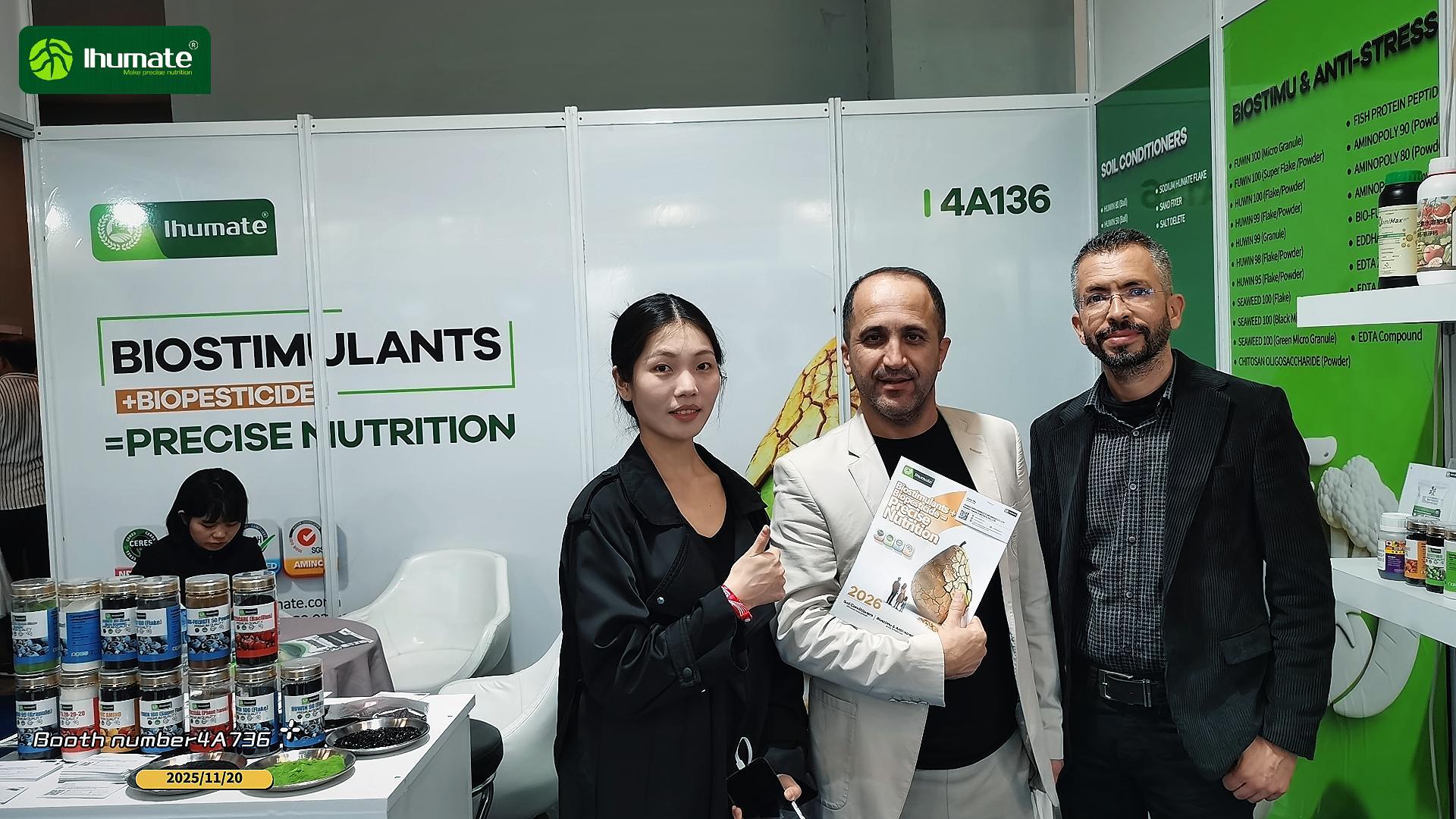
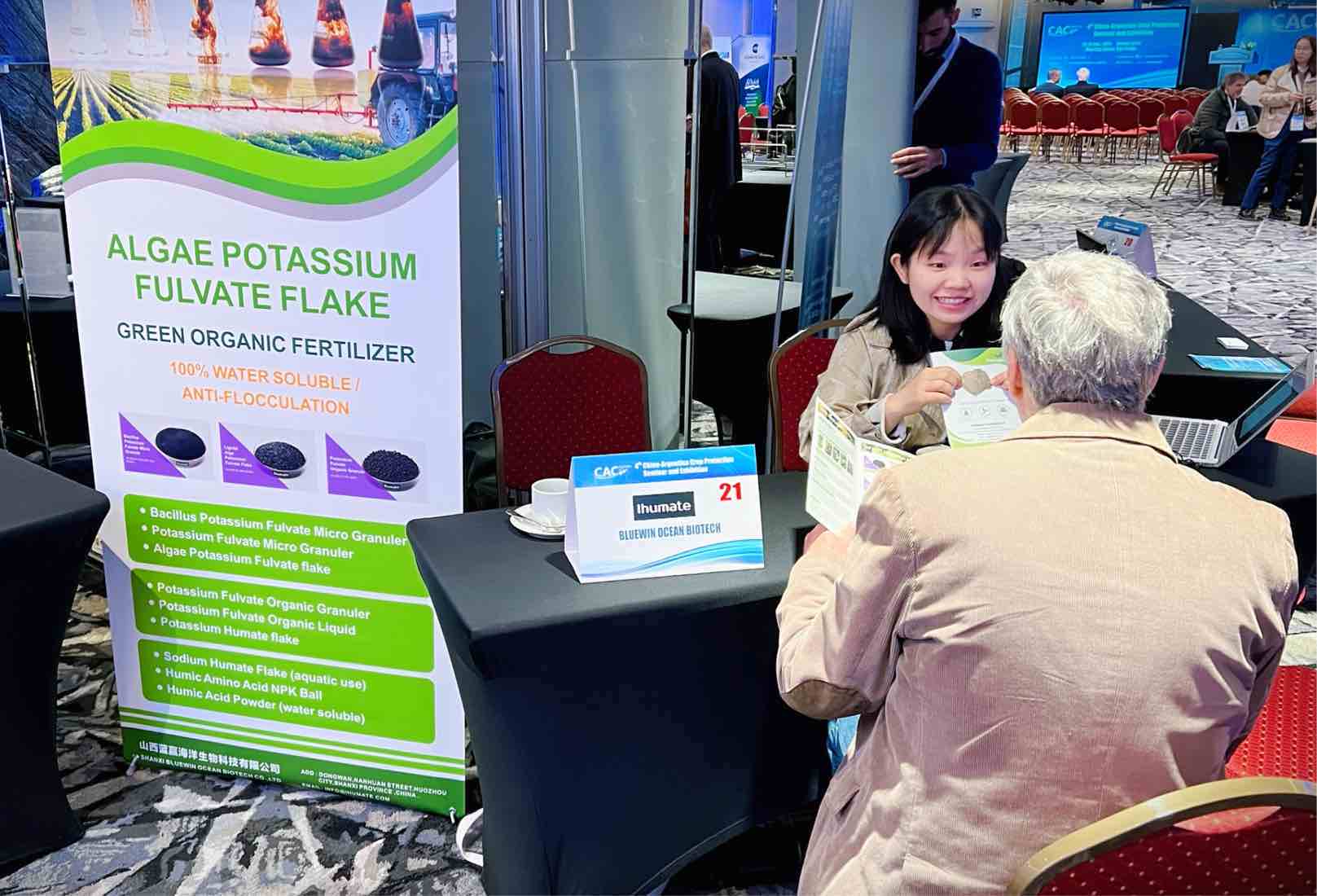
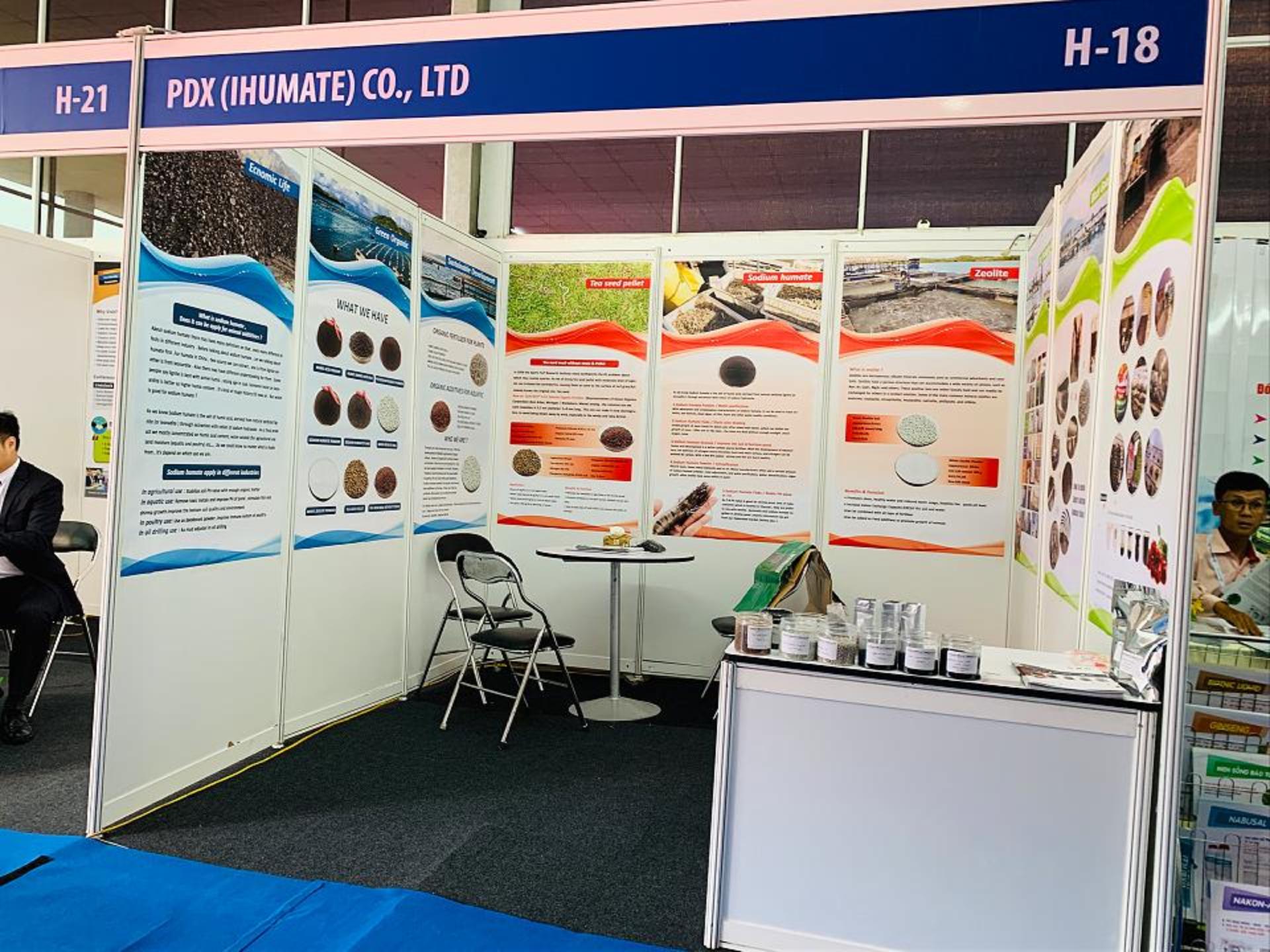
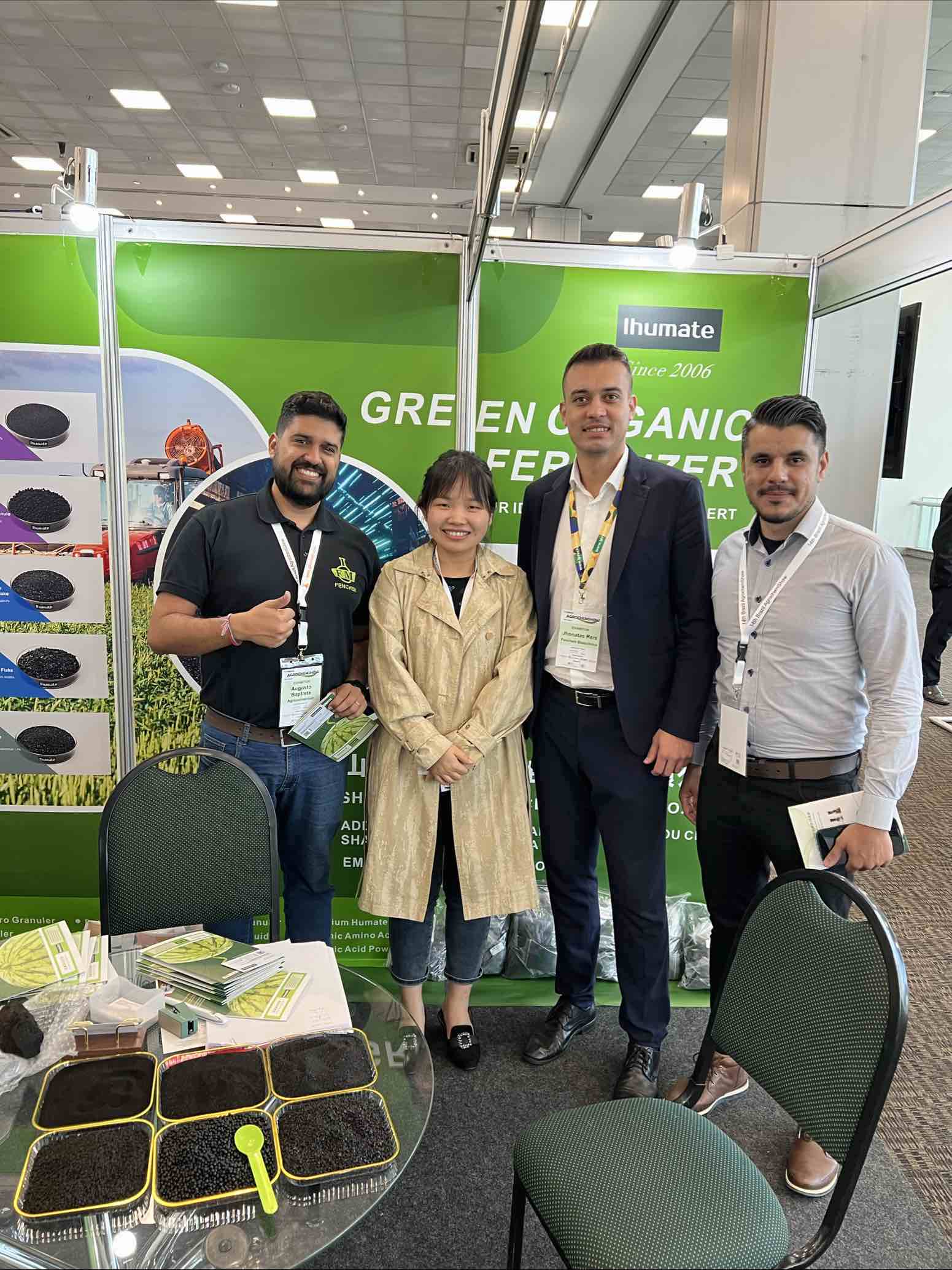
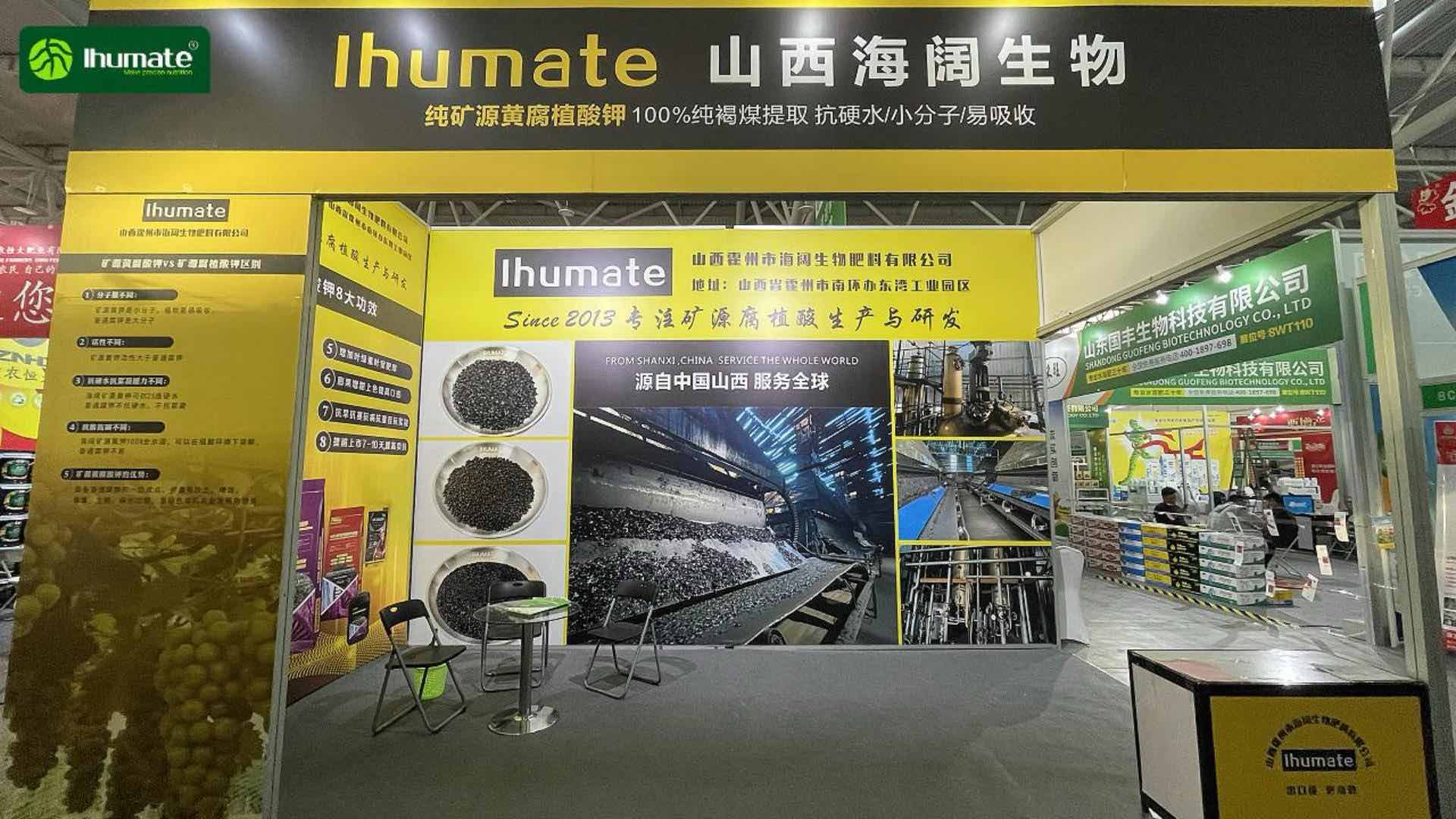
Ihumate Global Exhibition Videos
We showcase our Humic Acid, Seaweed, Liquid Fertilizer, and Bio-control series globally.
Join us at our 2026 exhibitions:
Event: Shanghai CAC (Fshow)
Booth: 12G05
Date: March 17-19, 2026
Address: No. 333 Songze Avenue, Qingpu District, Shanghai
Join us at our 2026 exhibitions:
Event: Shanghai CAC (Fshow)
Booth: 12G05
Date: March 17-19, 2026
Address: No. 333 Songze Avenue, Qingpu District, Shanghai

No. 64 Nangou, Chencun, Bailong Town, Huozhou City, Linfen City, Shanxi Province

© 2017 Shanxi Ihumate Biotech Co.,Ltd. All Rights Reserved | Privacy Policy | Powered by Ihumate