









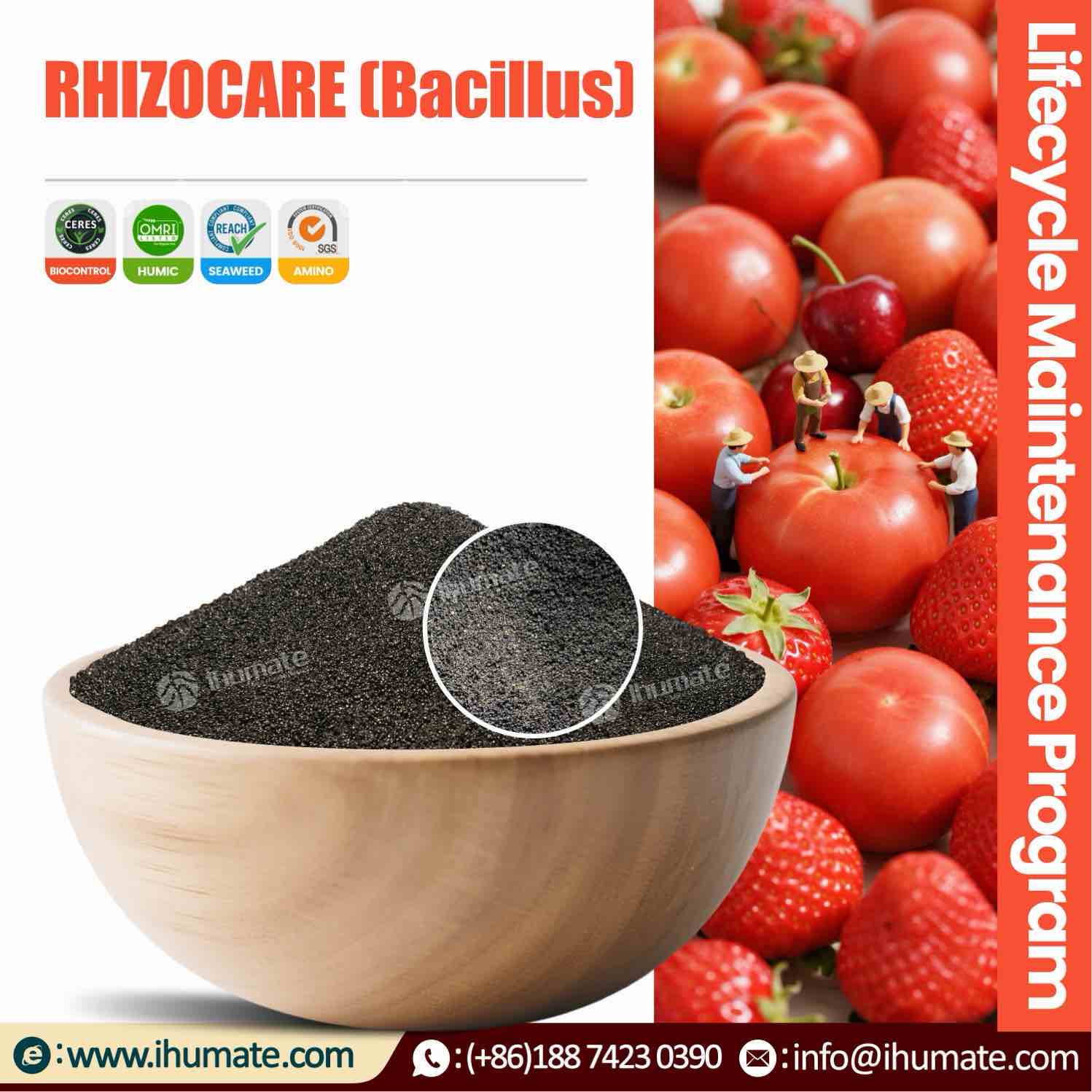
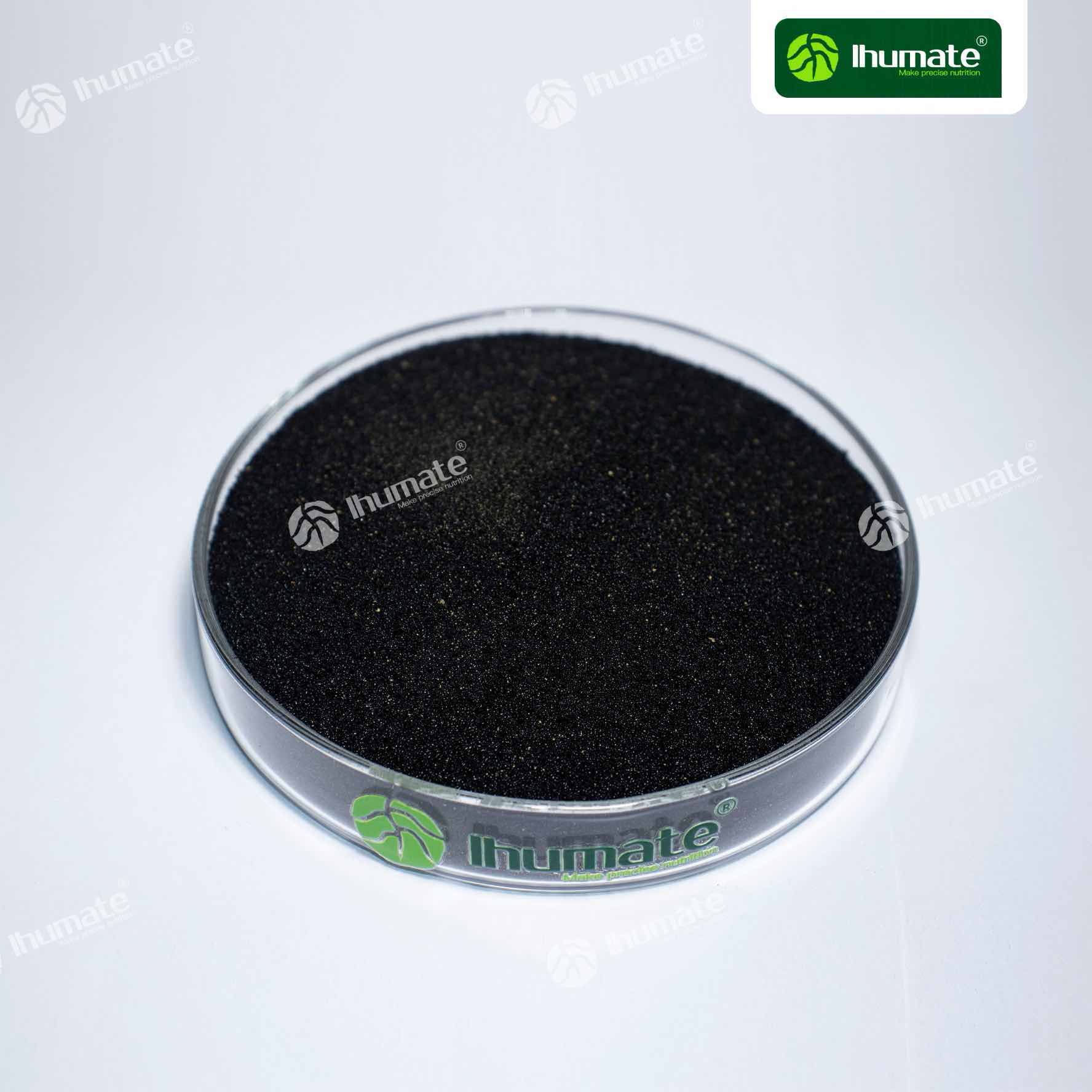
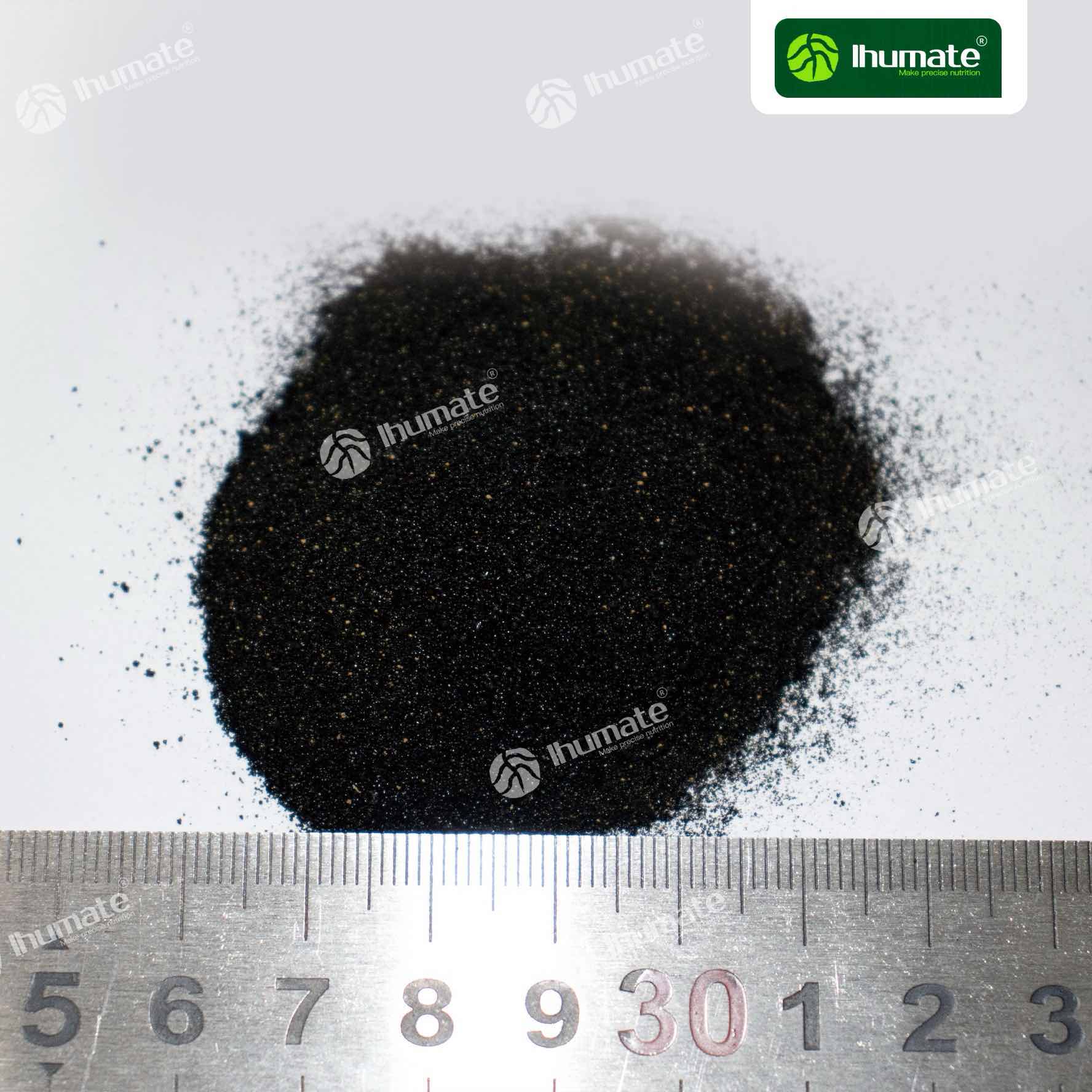
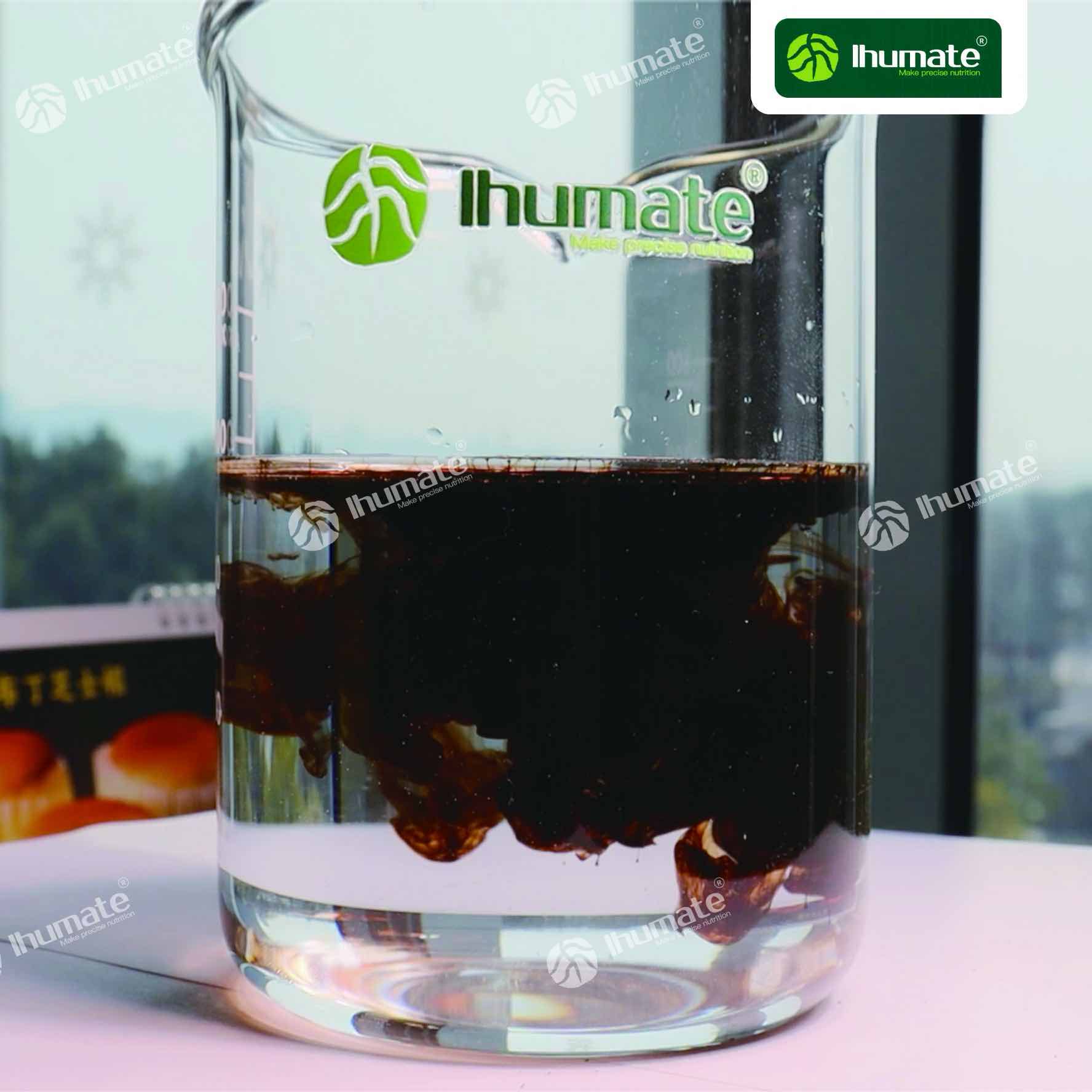

Bacillus Potassium Fulvate Micro Granules
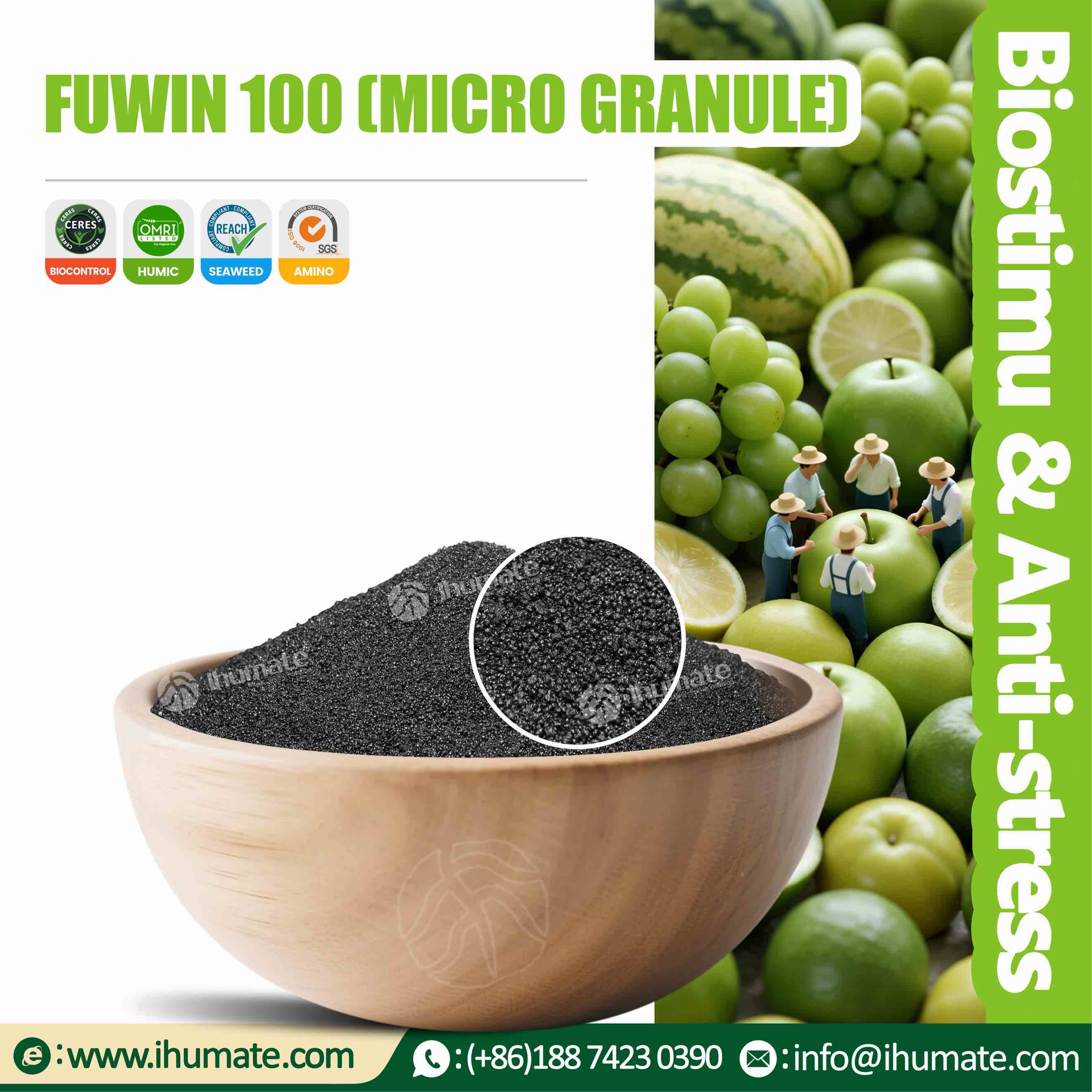
- Appearance: Black micro granules
- Water Solubility: 100%
- Bacillus: > 10^9 CFU/g
- Humic Acid: 55%-60%
- Fulvic Acid: 55%-60%
- Potassium oxide (K₂O): 12%-15%
- Moisture: < 8%
Reference price range:USD 1300 - 1600
Bacillus Potassium Fulvate Micro Granules
(RHIZOCARE)
Humic Acid + Bacillus: The "Golden Partner" of Modern Agriculture
The combination of humic acid and bacillus is not a simple nutritional overlay, but a deep synergy of "organic carbon + beneficial bacteria". This combination produces a significant synergistic effect of 1+1>2:
1. Mutual empowerment: Enhancing bacterial activity Humic acid is a natural microbial culture medium. It is rich in organic carbon sources, which can provide growth energy for bacillus and help the bacteria rapidly colonize in the soil. Meanwhile, the excellent buffering capacity of humic acid can regulate soil pH, protecting the bacteria from heavy metal or saline-alkali toxicity, and improving their survival rate.
2. Soil improvement: Building a three-dimensional fertility structure Humic acid, as a natural cementing agent, promotes the formation of soil aggregate structure. Combined with the extracellular polysaccharides secreted during bacillus growth, it further stabilizes aggregates, making the soil more loose and breathable, water-retentive and fertilizer-retentive, completely improving the root respiration environment.
3. Synergistic root promotion: Stimulating growth potential Humic acid contains auxin-like activity, which can stimulate root tip cell division; while bacillus can secrete gibberellins, cytokinins and other substances. This dual stimulation enables rapid root system development and dense root hairs, greatly enhancing the plant's active nutrient absorption capacity.
4. Bacteriostasis and disease resistance: Strengthening the immune system With the help of humic acid, bacillus can quickly form a dense "biological barrier" in the rhizosphere, preventing pathogen invasion through spatial competition. This combination can also induce systemic resistance in plants, improving crop resistance to soil-borne diseases as well as drought and salt stress.
5. Quality and yield improvement: Mineralizing nutrients Bacillus has powerful phosphorus and potassium solubilizing effects, combined with the chelating effect of fulvic acid on trace elements, which can convert minerals fixed in the soil into absorbable states, significantly improving fertilizer utilization rate and degrading pesticide residues in the soil.
Expert advice: This combination is particularly suitable for saline-alkali land improvement and fruit/vegetable continuous cropping resistance. It is recommended to use through drip irrigation or flushing, ensuring nutrients reach the core area of the crop rhizosphere directly.
Bacillus Potassium Fulvate Micro Granules Specifications
| Technical Parameters | Detailed Specs | Testing Methods | Reference Standards |
|---|---|---|---|
| Appearance | Black micro granules | - | - |
| Water Solubility | 100% | Weighing Method | GB/T 20913 |
| Bacillus | > 10^9 CFU/g | Plate Count Method | GB 20287-2006 |
| Humic Acid | 55%-60% | Dry Basis | GB/T 11957 |
| Fulvic Acid | 55%-60% | Dry Basis | NY/T 3161-2017 |
| Potassium oxide (K₂O) | 12%-15% | Flame Photometry | GB/T 8574 |
| Moisture | < 8% | Vacuum Constant Temperature Oven Method | GB/T 8577 |
Bacillus Potassium Fulvate Micro Granules - Introduction Video
- 1MM uniform micro-granule design
- High compressive strength, non-caking
Bacillus Potassium Fulvate Micro Granules - Water Solubility Video
- 100% water-soluble
- Fast dissolution without dust
COA, TDS, MSDS & HM Test Reports
Certificate of Analysis (COA)
Certificate of Analysis: Bacillus Potassium Fulvate Micro Granules
Technical Data Sheet (TDS)
TDS: Bacillus Potassium Fulvate Micro Granules
Safety Data Sheet (MSDS)
MSDS: Bacillus Potassium Fulvate Micro Granules
Heavy Metal Test Report
Heavy Metal Test Report: Bacillus Potassium Fulvate Micro Granules
Download Support
Need custom documents or specific test results?
Frequently Asked Questions


1
Why add bacillus to this product?
Bacillus is a beneficial microorganism that can inhibit pathogenic bacteria in the soil, promote healthy plant root growth, thereby improving plant disease resistance and overall health. Fulvic acid can provide a good living environment for bacillus, enhancing its activity and effectiveness.
2
Are you a trading company or a manufacturer?
We are a professional manufacturing enterprise. Our modern factory is located in Huozhou, Linfen, Shanxi, China. With an annual capacity of 500,000 tons, we invite global partners to visit our facility.
3
How do you perform quality control?
4
Do you provide samples?
5
What are the payment terms?
6
How can I track my shipment after payment?
7
What is the Minimum Order Quantity (MOQ)?
8
Can you customize packaging or print our logo?
9
How long is the delivery time?
More questions about our products?
Application & Dosage: Bacillus Potassium Fulvate Micro Granules
Usage recommendations: This product is suitable for drip irrigation or spraying. It is recommended to prepare and use immediately, and apply to the soil within 60 minutes after dissolution to avoid the impact of strong acid or alkali environments on bacterial activity, ensuring optimal fertilizer effectiveness. Dilution 1:1000-1500!
Fertilizer Manufacturing and Blending
- Granular Fertilizers:Micro-granule design with central control, which can dissolve quickly and is dust-free, can be easily dry-mixed with granular NPK and compound fertilizers, significantly improving fertilizer utilization rate and protecting bacterial activity
- Liquid Fertilizers:100% water-soluble, dissolves instantly in water, is an ideal active additive for preparing high-end liquid fertilizers and biostimulants
- Biofertilizers:As a core synergistic ingredient, it can quickly activate microbial activity in fertilizers, provide nutrition for microorganisms, and accelerate the chelation and release of mineral elements
Drip Irrigation and Spraying
- Drip Irrigation Systems:100% completely soluble, no residue and does not clog filters, ensuring high concentrations of bacillus and fulvic acid accurately reach the crop root zone
- Spraying:High compatibility and stability, suitable for drone spraying and greenhouse hydroponic systems, meeting the high standards of modern precision agriculture
Application Ratio Scheme
| Crop Name | Growth Stage | Application Ratio |
|---|---|---|
| Rice | Seedling Stage | 3-5 Kg/hectare |
| Pre-budding Stage | 3-5 Kg/hectare | |
| Grain Filling Stage | 3-5 Kg/hectare | |
| Sweet Corn | Growth Stage | 3-5 Kg/hectare |
| Wheat/Barley | Jointing Stage | 3-5 Kg/hectare |
| Pineapple | Fruit Expansion Stage | 4-6 Kg/hectare |
| Citrus/Apple | Germination Stage | 5-8 Kg/hectare |
| Fruit Expansion Stage | 6-10 Kg/hectare | |
| Banana | Vegetative Growth Stage | 5-8 Kg/hectare |
| Grape | Pre-flowering and Post-flowering | 4-6 Kg/hectare |
| Strawberry | Planting Stage | 3-5 Kg/hectare |
| Tomato/Pepper | Early Flowering Stage | 4-6 Kg/hectare |
| Continuous Harvest Stage | 4-6 Kg/hectare | |
| Leafy Vegetables | Full Growth Stage | 3-5 Kg/hectare |
| Potato | Tuber Formation Stage | 5-8 Kg/hectare |
Product Advantages: Bacillus Potassium Fulvate Micro Granules
Bacteria-Carbon Synergy, Dual Effect in One: Achieving deep integration of soil improvement, root promotion, disease resistance and yield increase by reshaping the rhizosphere microecology
1
Triple Synergistic Enhancement
Unique coupling formula of mineral potassium fulvate and bacillus, achieving triple deep integration of nutrition, conditioning and protection.
2
Stimulate Rooting Potential
Rich in natural auxin, cytokinin and gibberellin, can quickly activate root apical meristem, inducing massive capillary root growth.
3
Reshape Rhizosphere Ecology
Contains over 1 billion CFU active bacillus per gram, establishing a biological defense barrier around the roots, significantly alleviating continuous cropping obstacles and soil-borne diseases.
4
Ultimate Nutrient Absorption
As an efficient natural chelating agent, can activate phosphorus, potassium and trace elements fixed in the soil, elevating fertilizer utilization rate to new heights.
5
Excellent Stress Resistance Performance
Fulvic acid effectively enhances crop survival and recovery capabilities under harsh environments such as drought, high salinity, extreme heat and frost damage.
6
Soil Structure Optimization
By supplementing high-quality organic carbon sources, promotes soil aggregate structure formation, fundamentally improving soil aeration and water/fertilizer retention capacity.
Certifications: Bacillus Potassium Fulvate Micro Granules
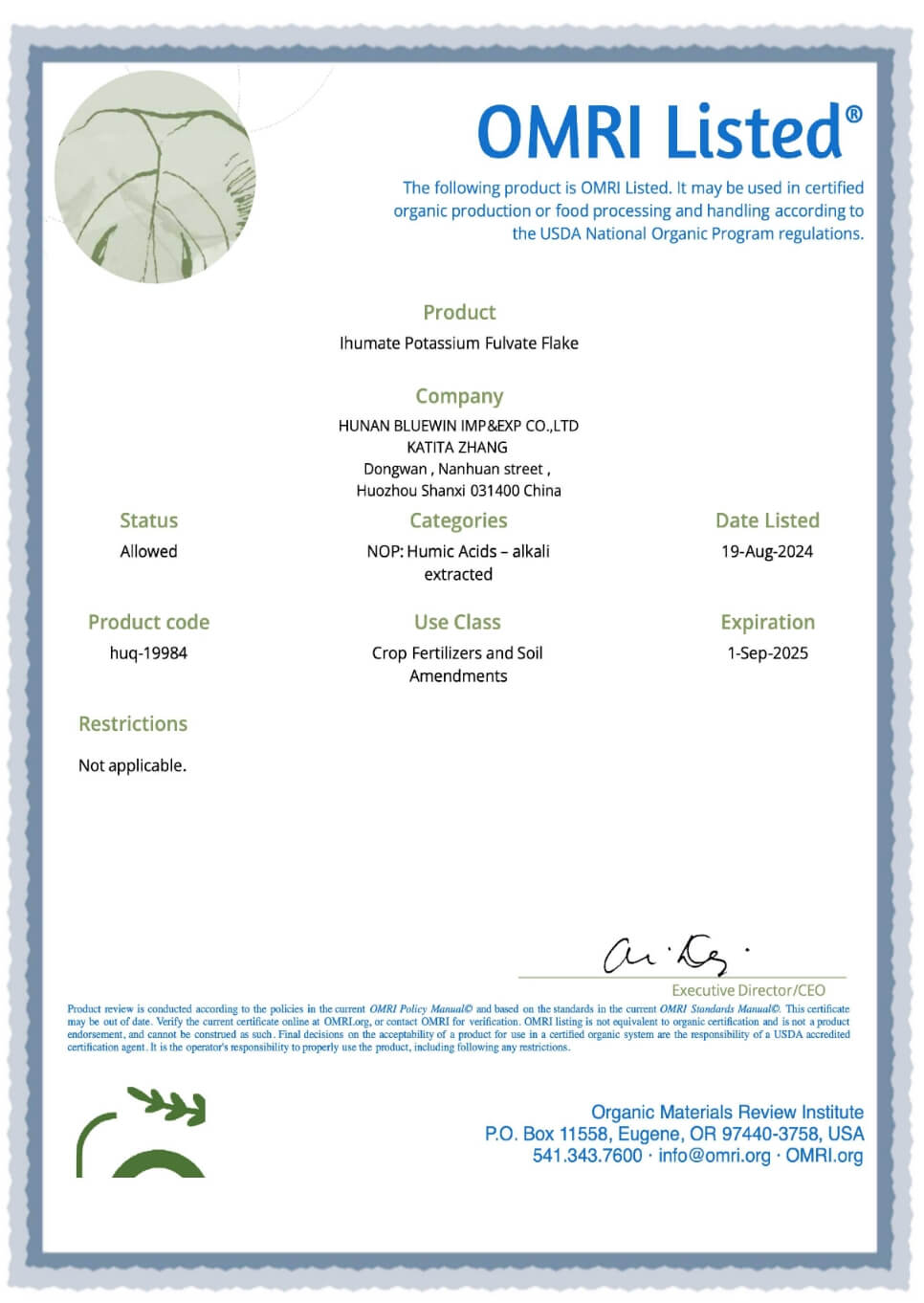
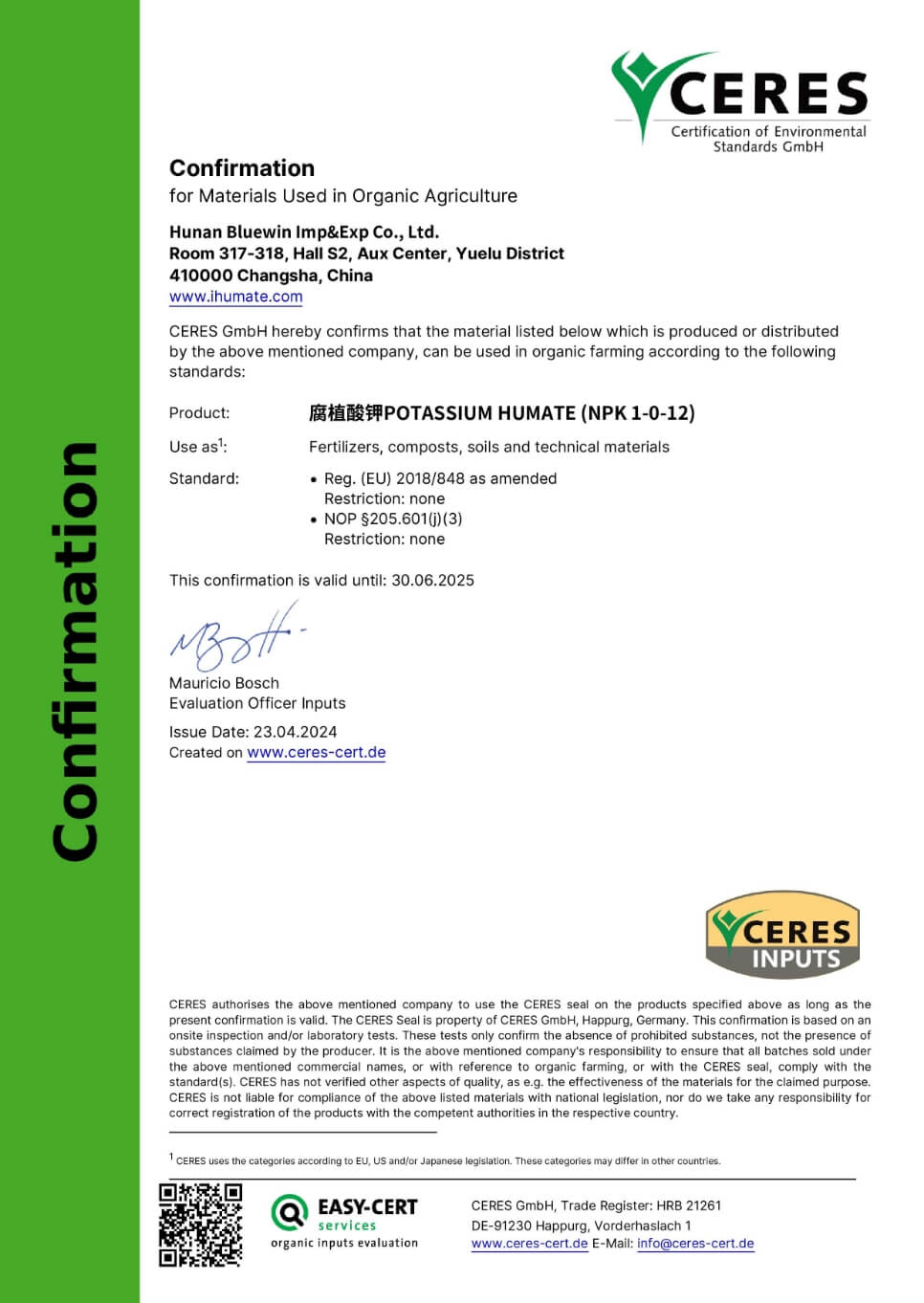
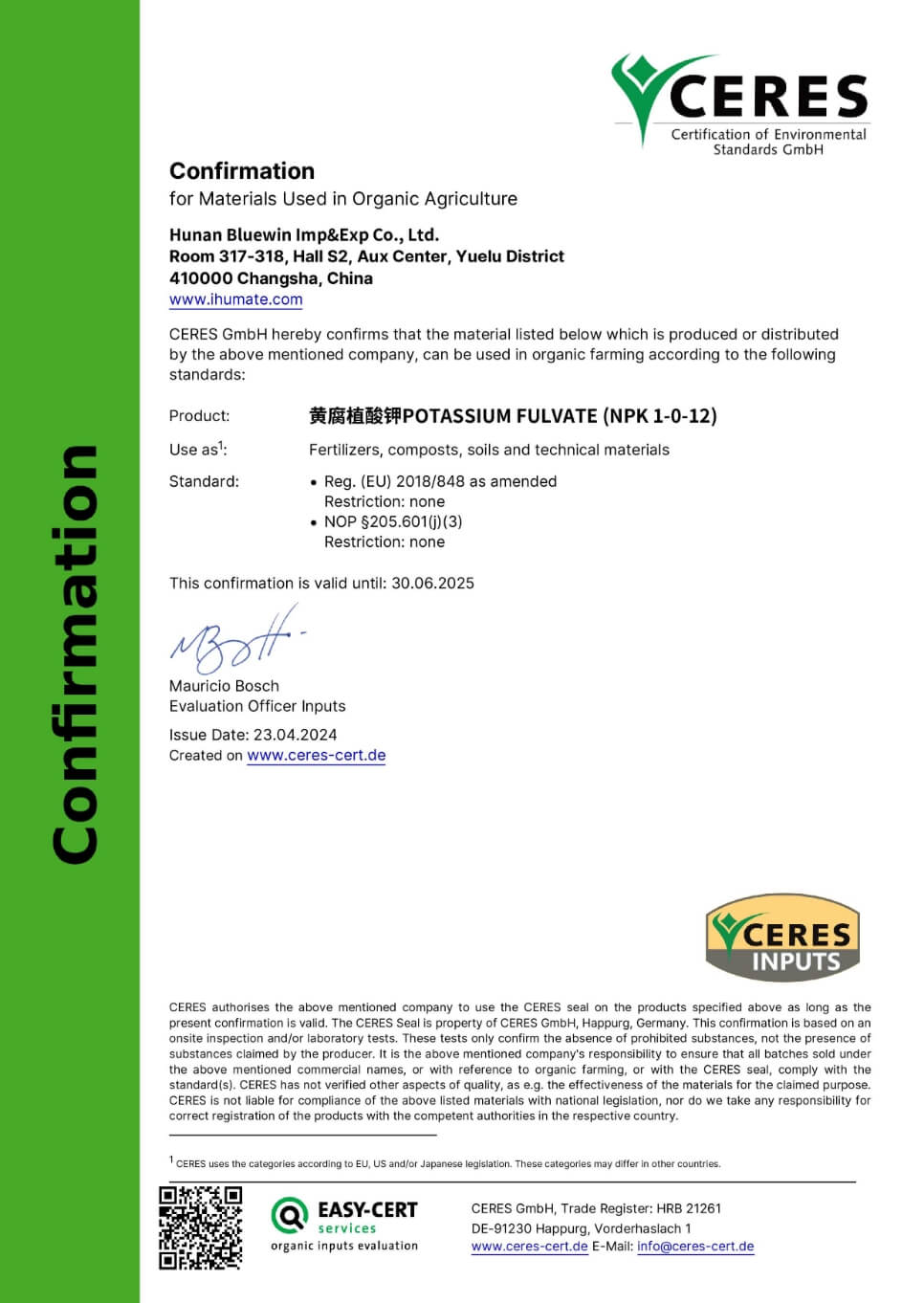
Ihumate is backed by globally recognized certifications.
- 🏅 OMRI Listed – Approved for organic use (USDA/NOP standards)
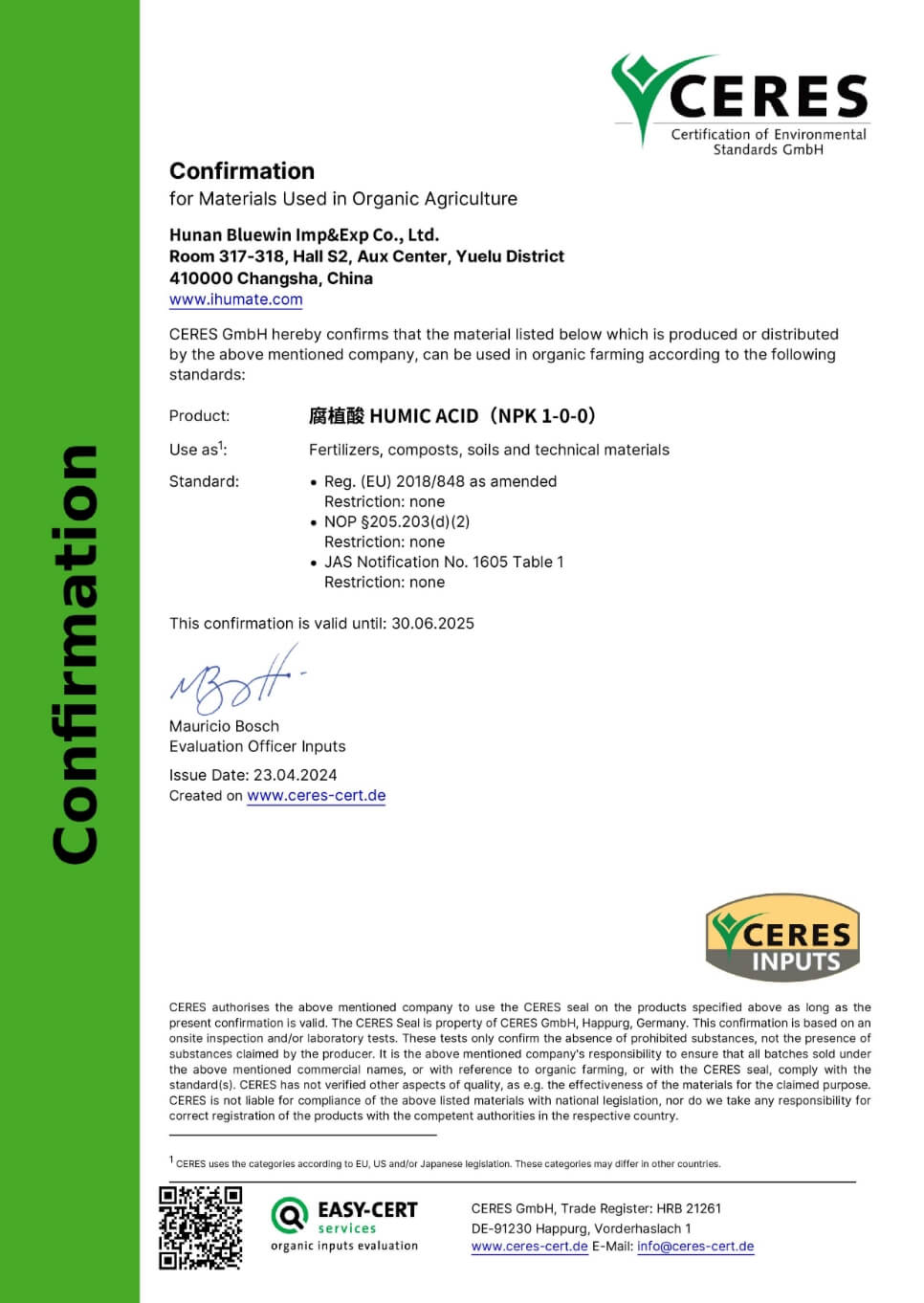
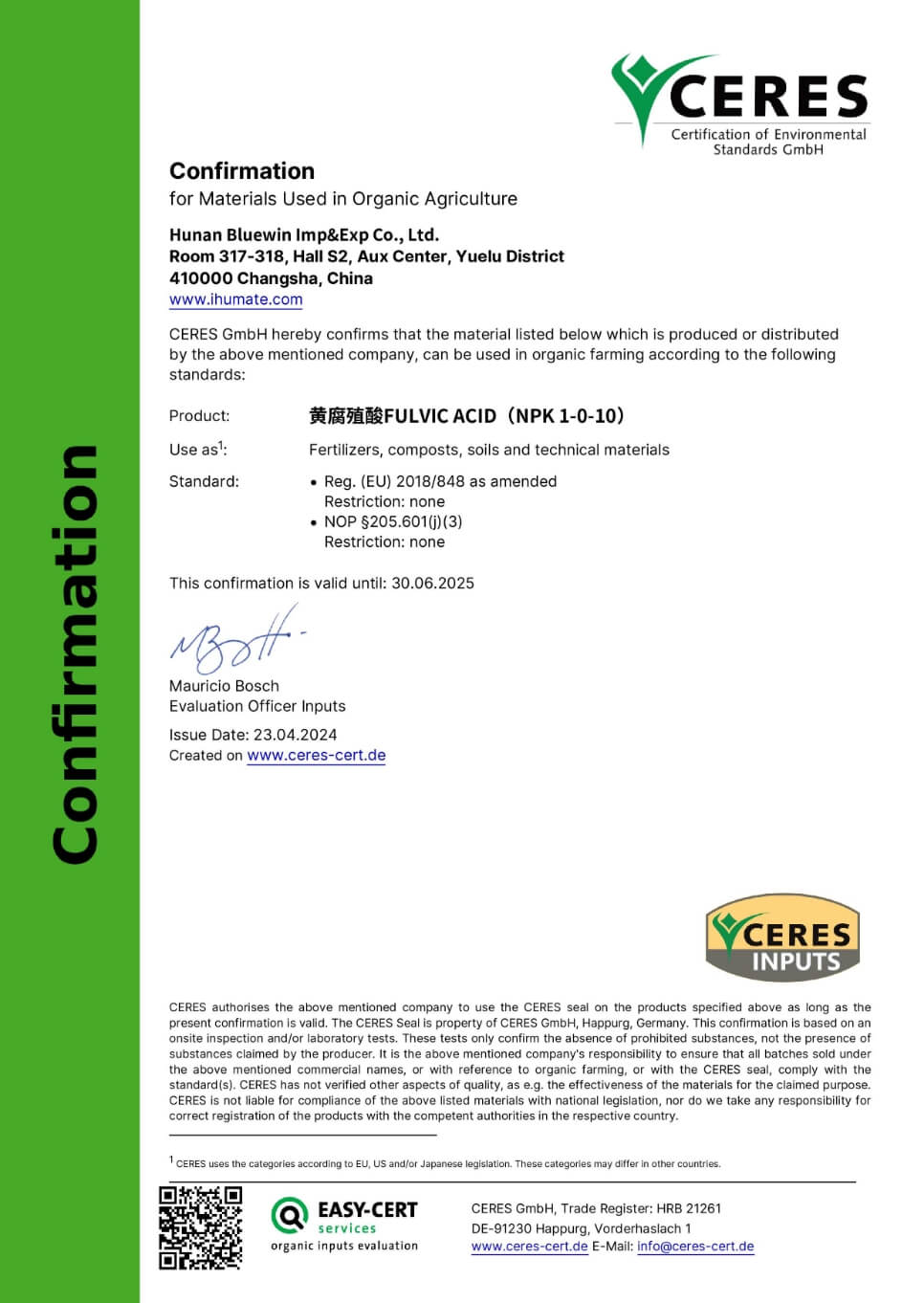
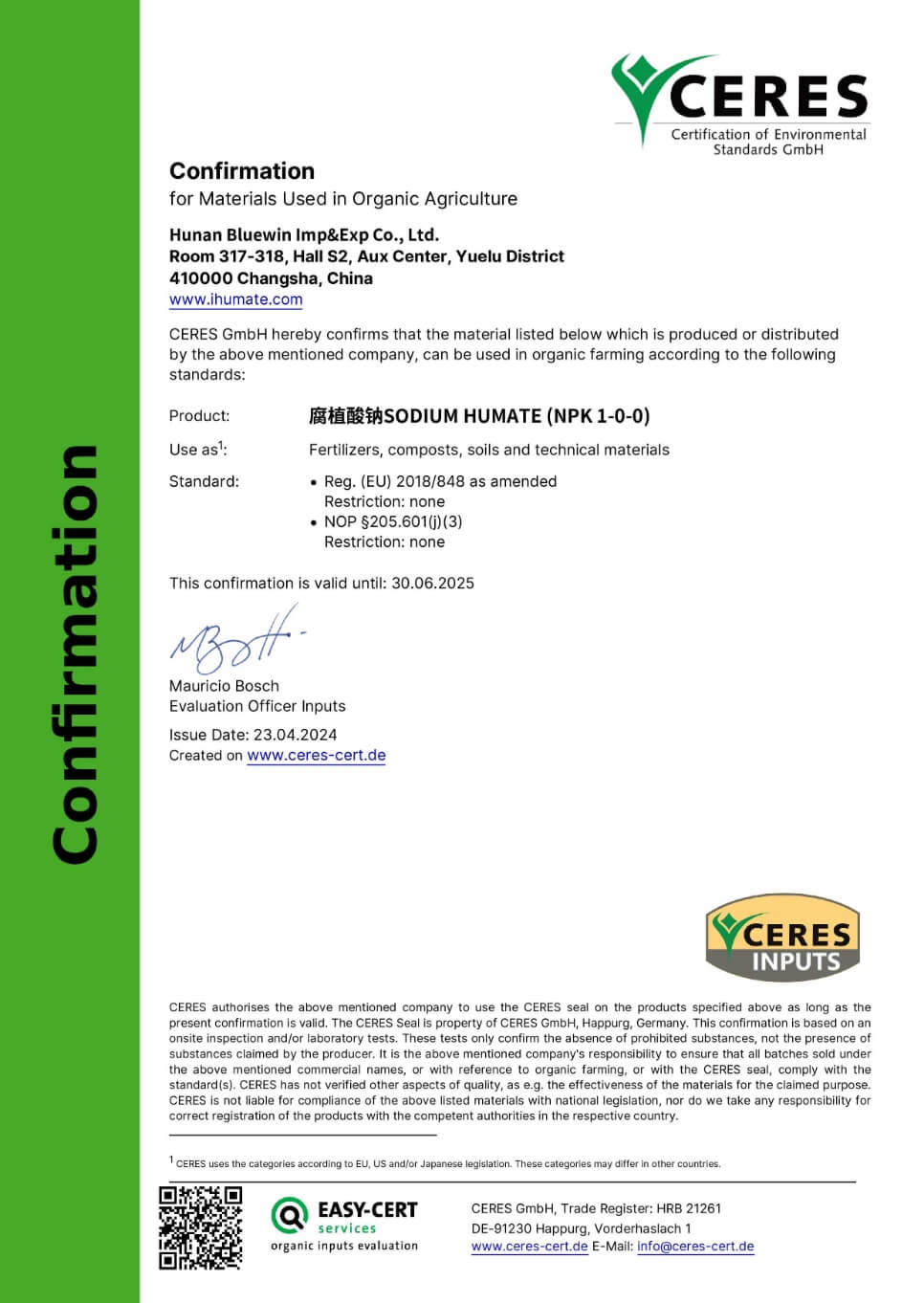
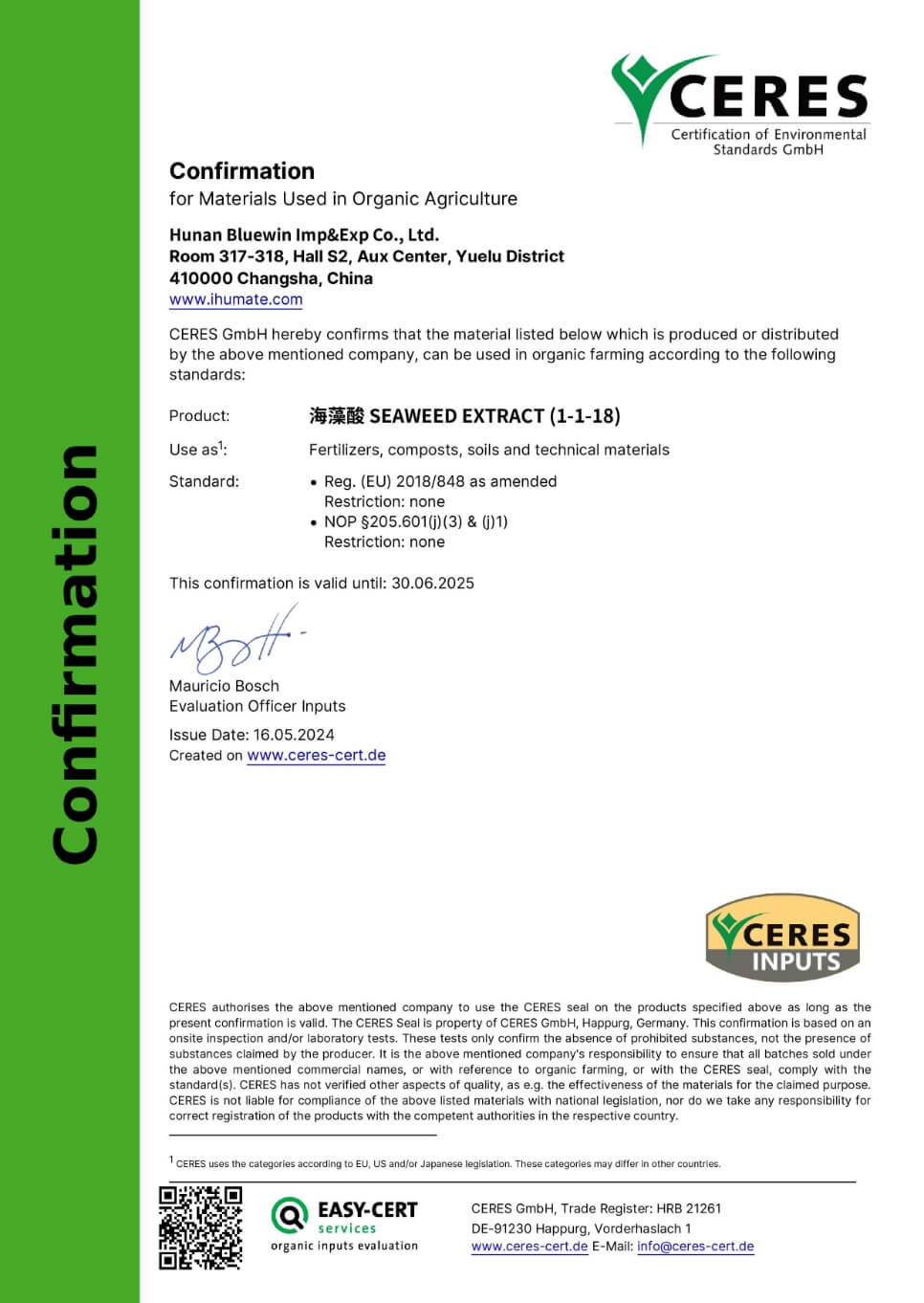
- 🏅 CERES Certified – High-standard organic inputs for sustainable agriculture
- ✔ Excellent international production process with full batch traceability
- ✔ Meeting the strict demands of global distributors and formulators
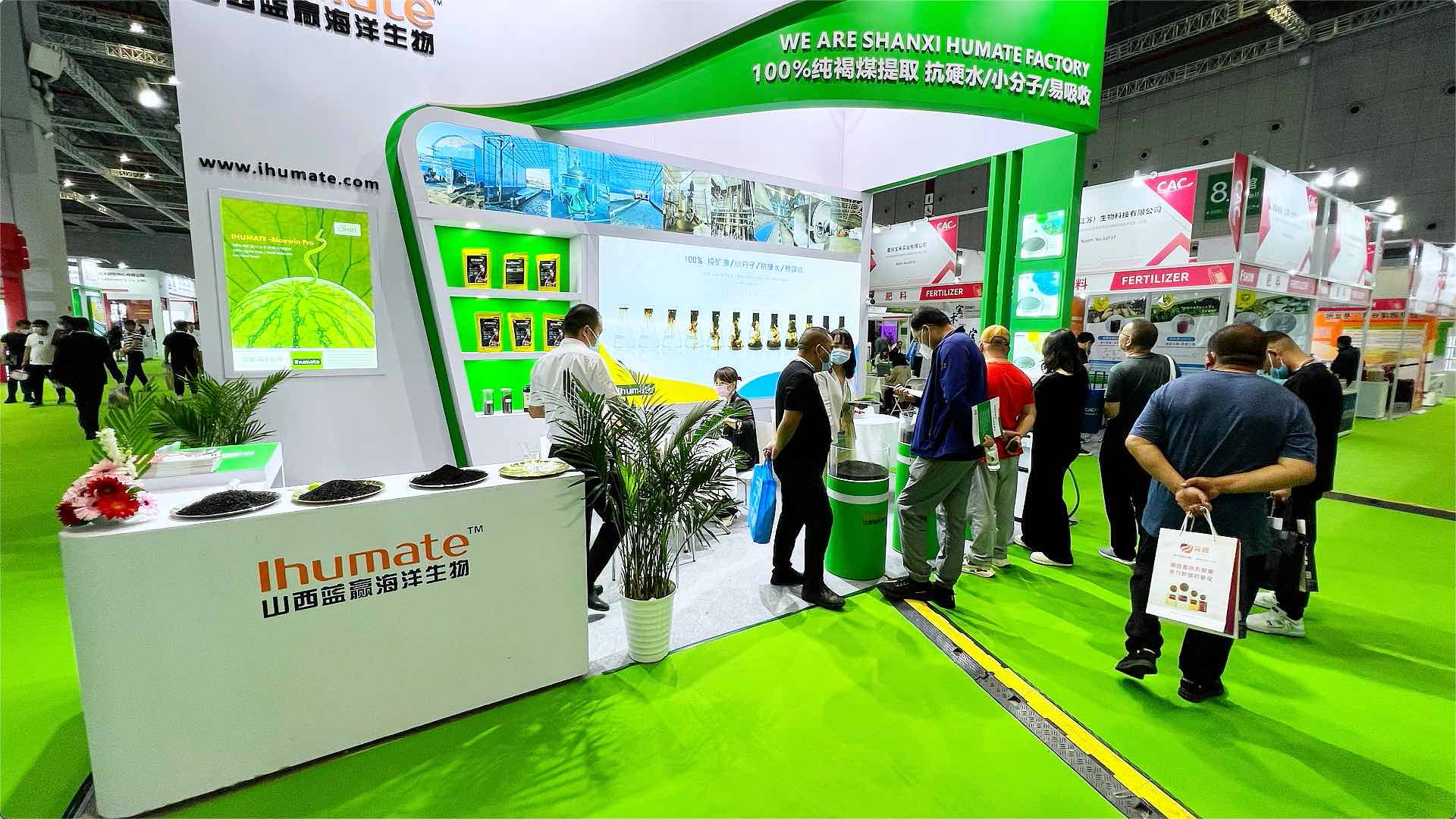
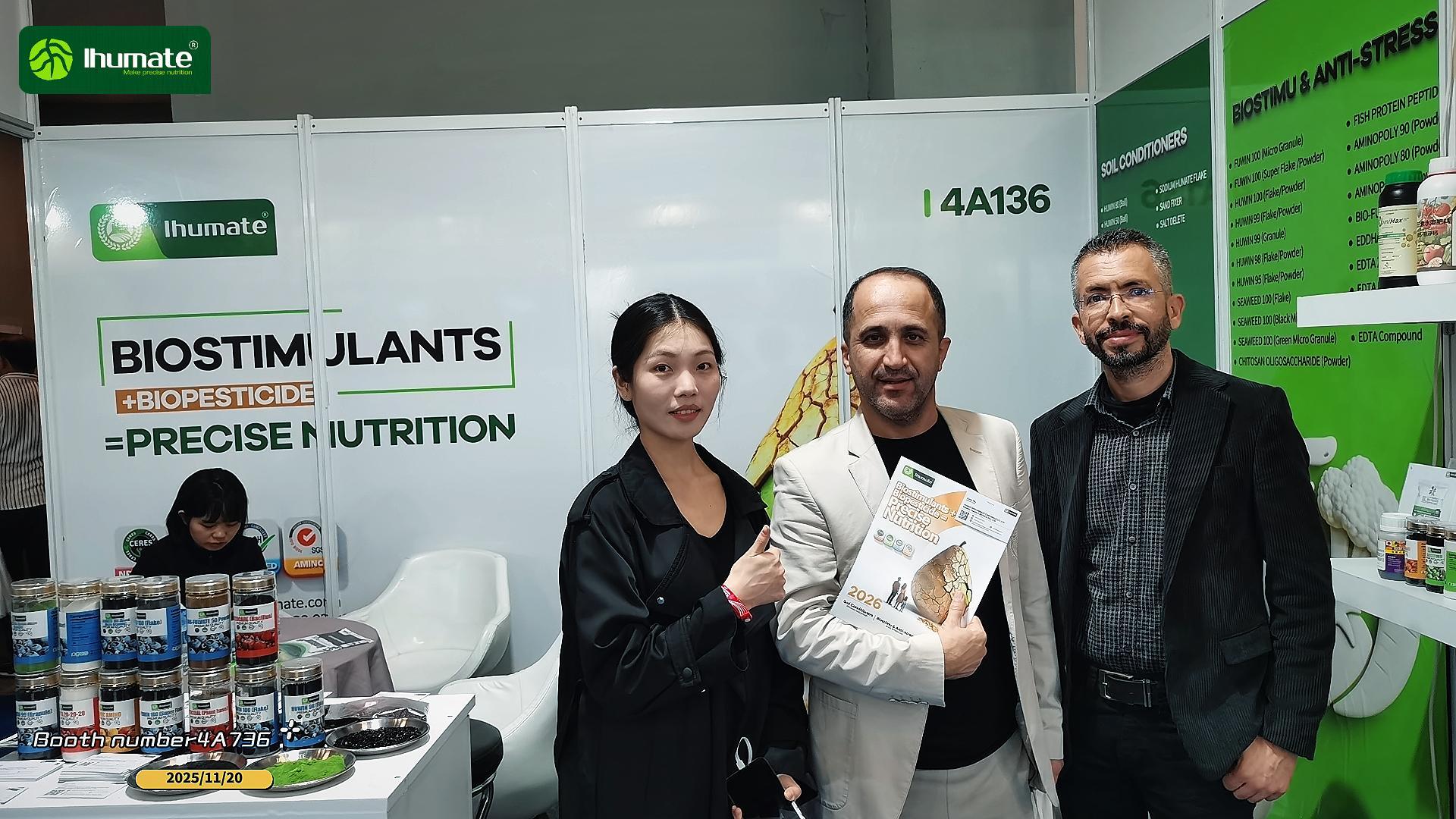
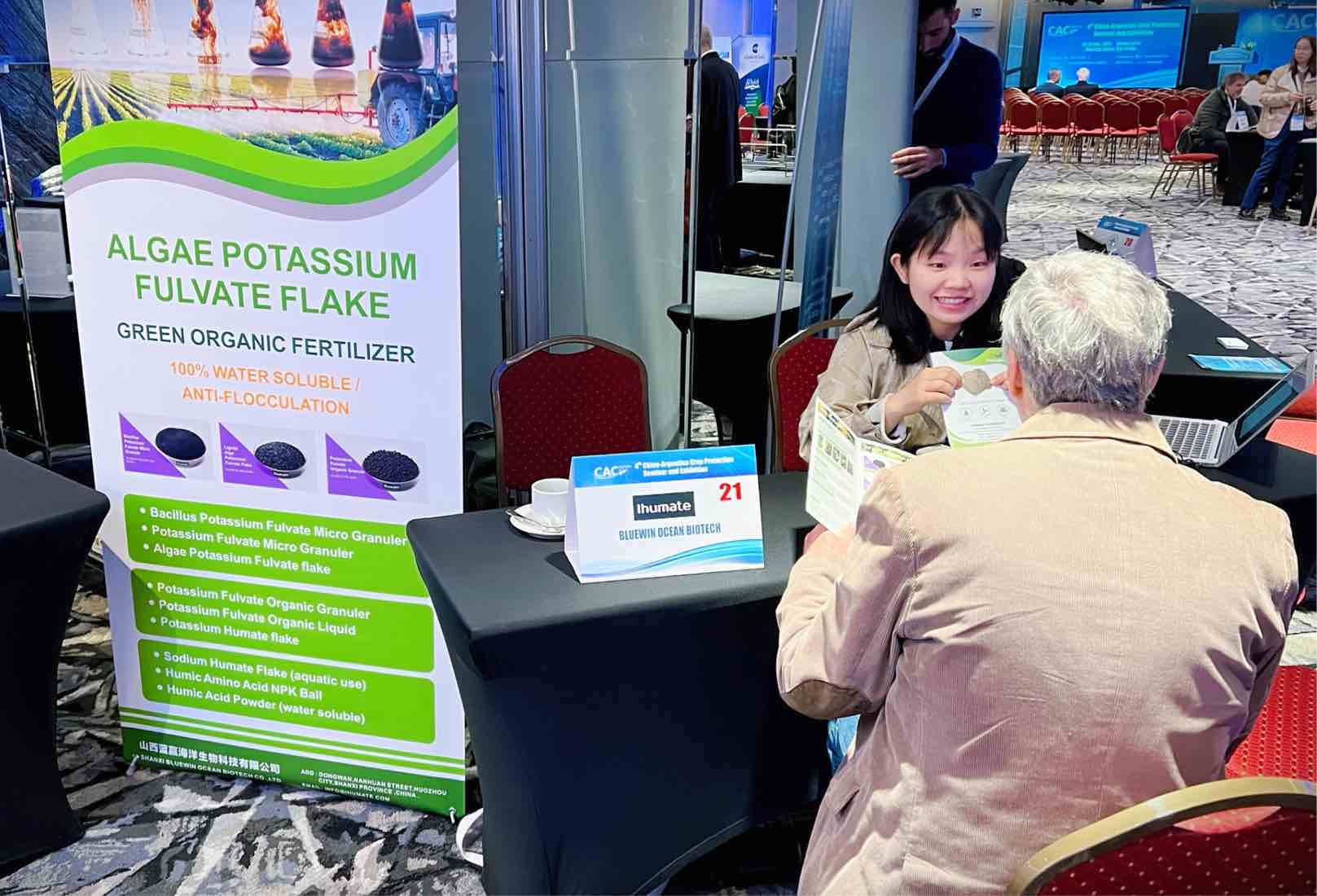
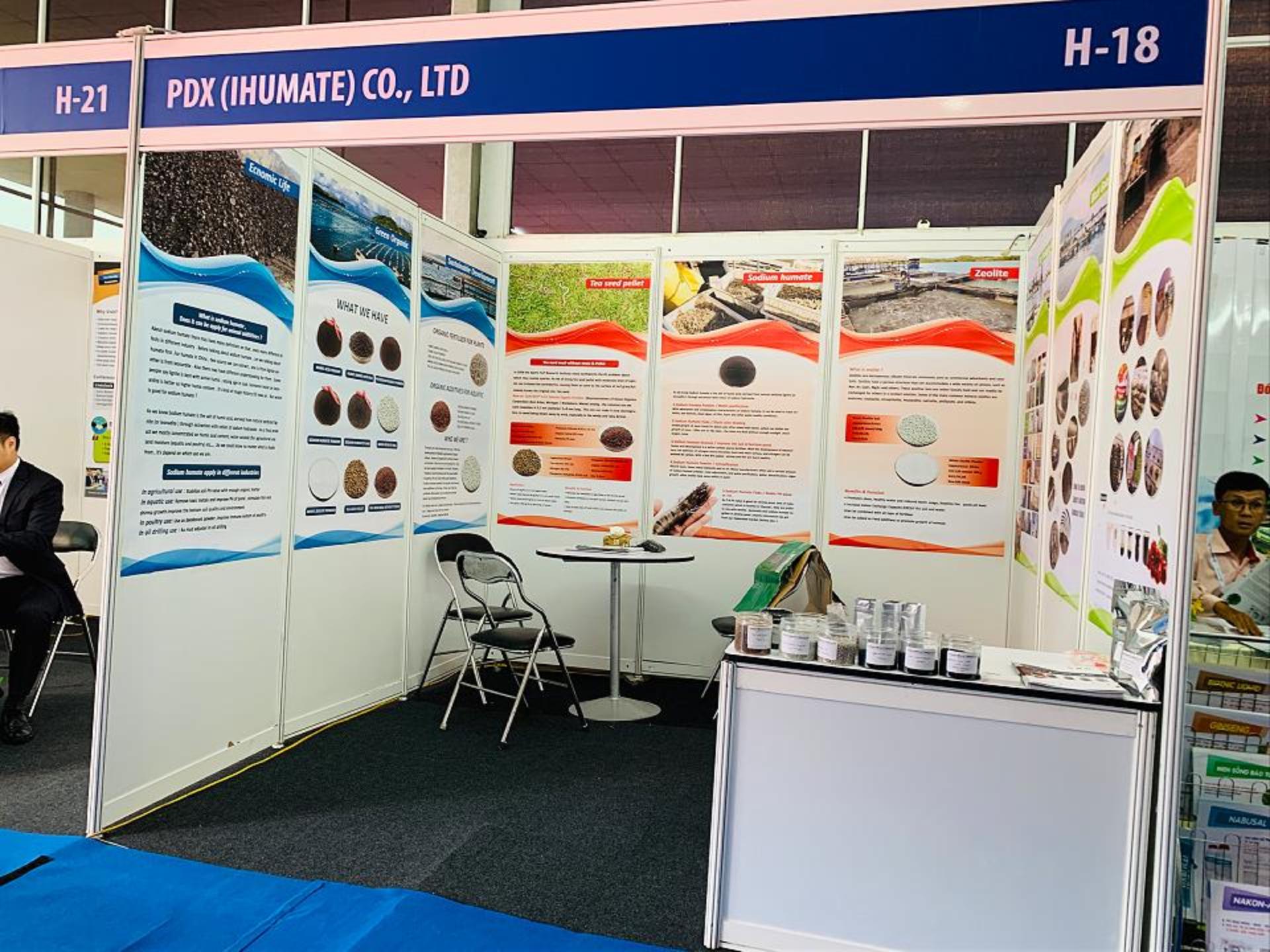
Ihumate Global Exhibition Videos
We showcase our Humic Acid, Seaweed, Liquid Fertilizer, and Bio-control series globally.
Join us at our 2026 exhibitions:
Event: Shanghai CAC (Fshow)
Booth: 12G05
Date: March 17-19, 2026
Address: No. 333 Songze Avenue, Qingpu District, Shanghai
Join us at our 2026 exhibitions:
Event: Shanghai CAC (Fshow)
Booth: 12G05
Date: March 17-19, 2026
Address: No. 333 Songze Avenue, Qingpu District, Shanghai
No. 64 Nangou, Chencun, Bailong Town, Huozhou City, Linfen City, Shanxi Province

© 2017 Shanxi Ihumate Biotech Co.,Ltd. All Rights Reserved | Privacy Policy | Powered by Ihumate