

Copper Glycinate
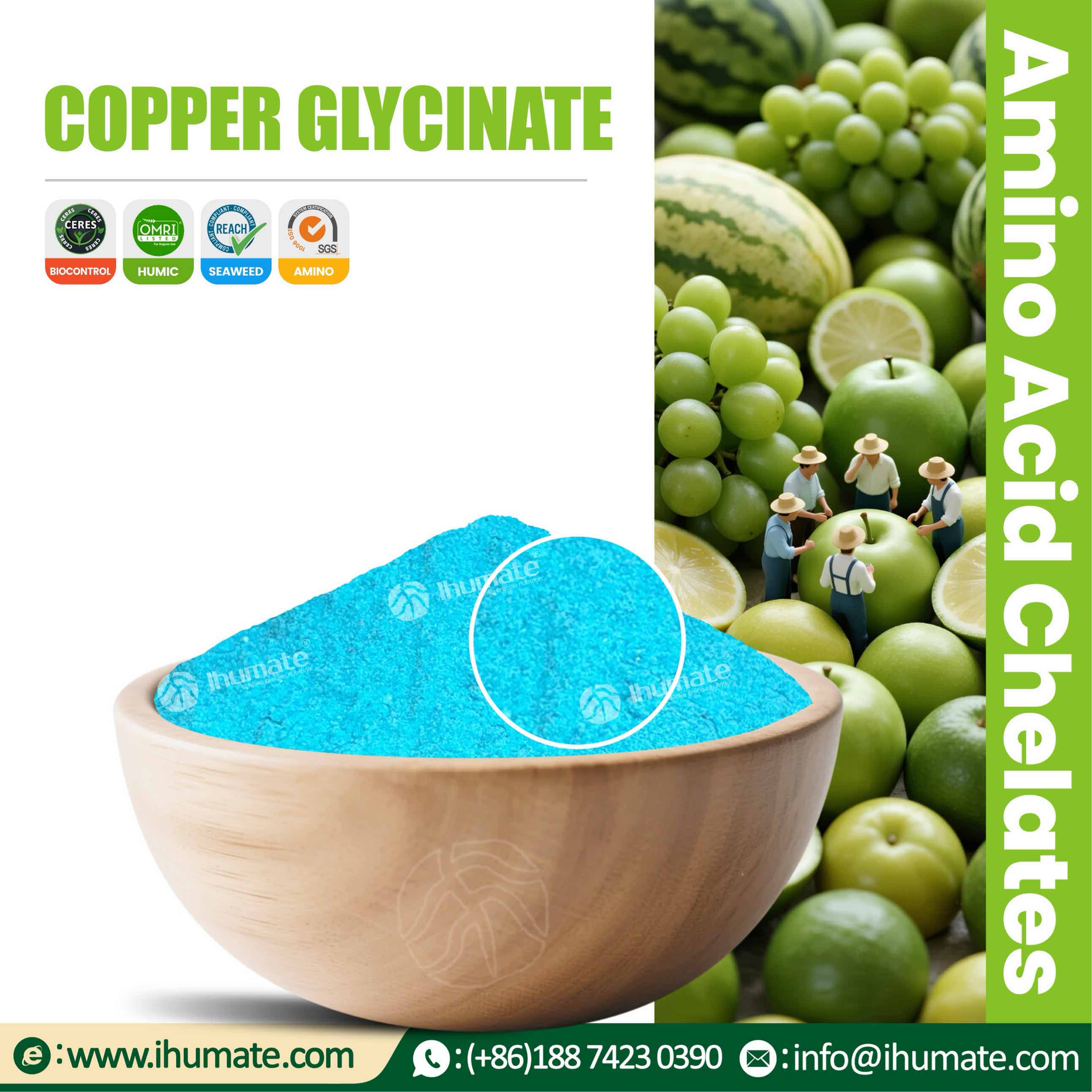
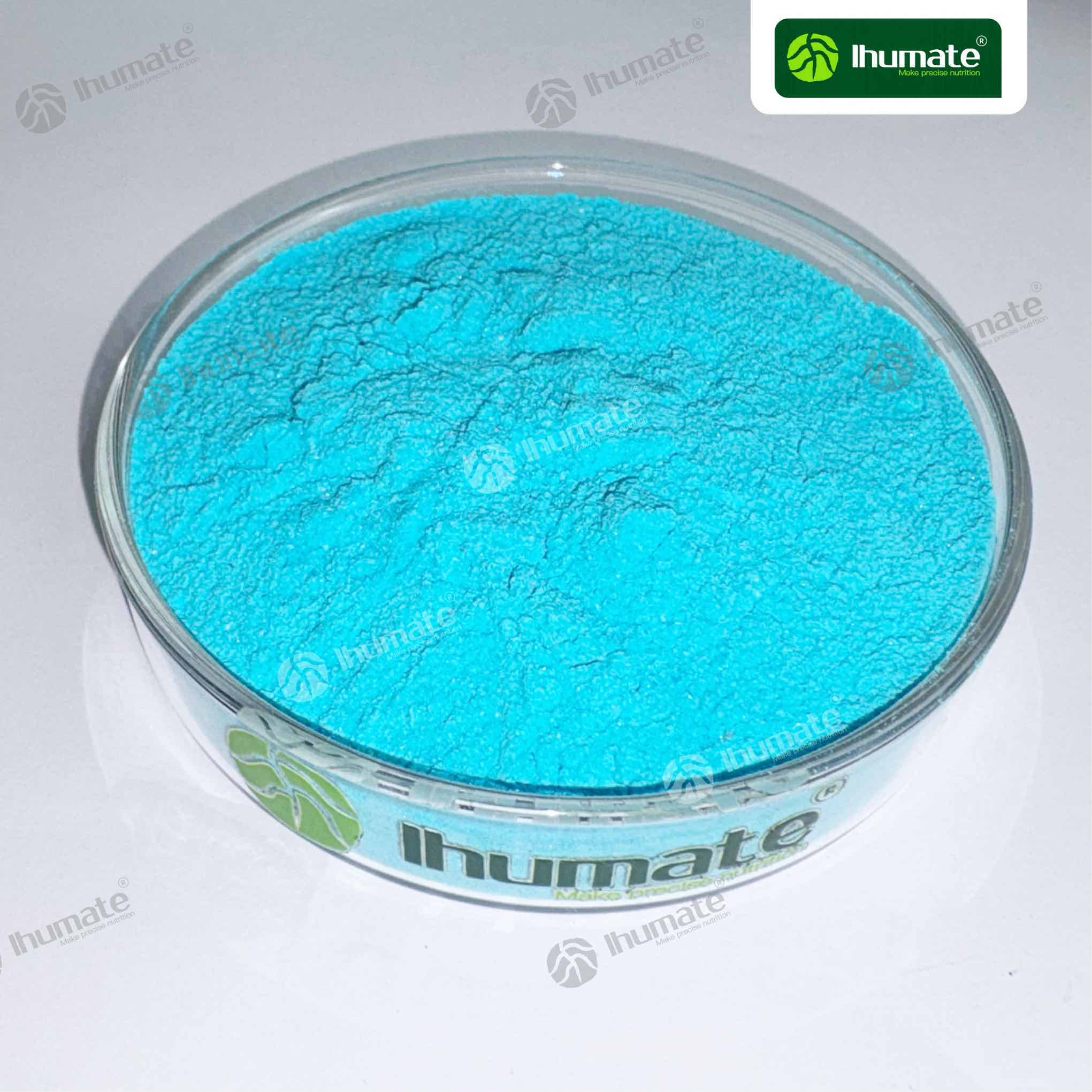
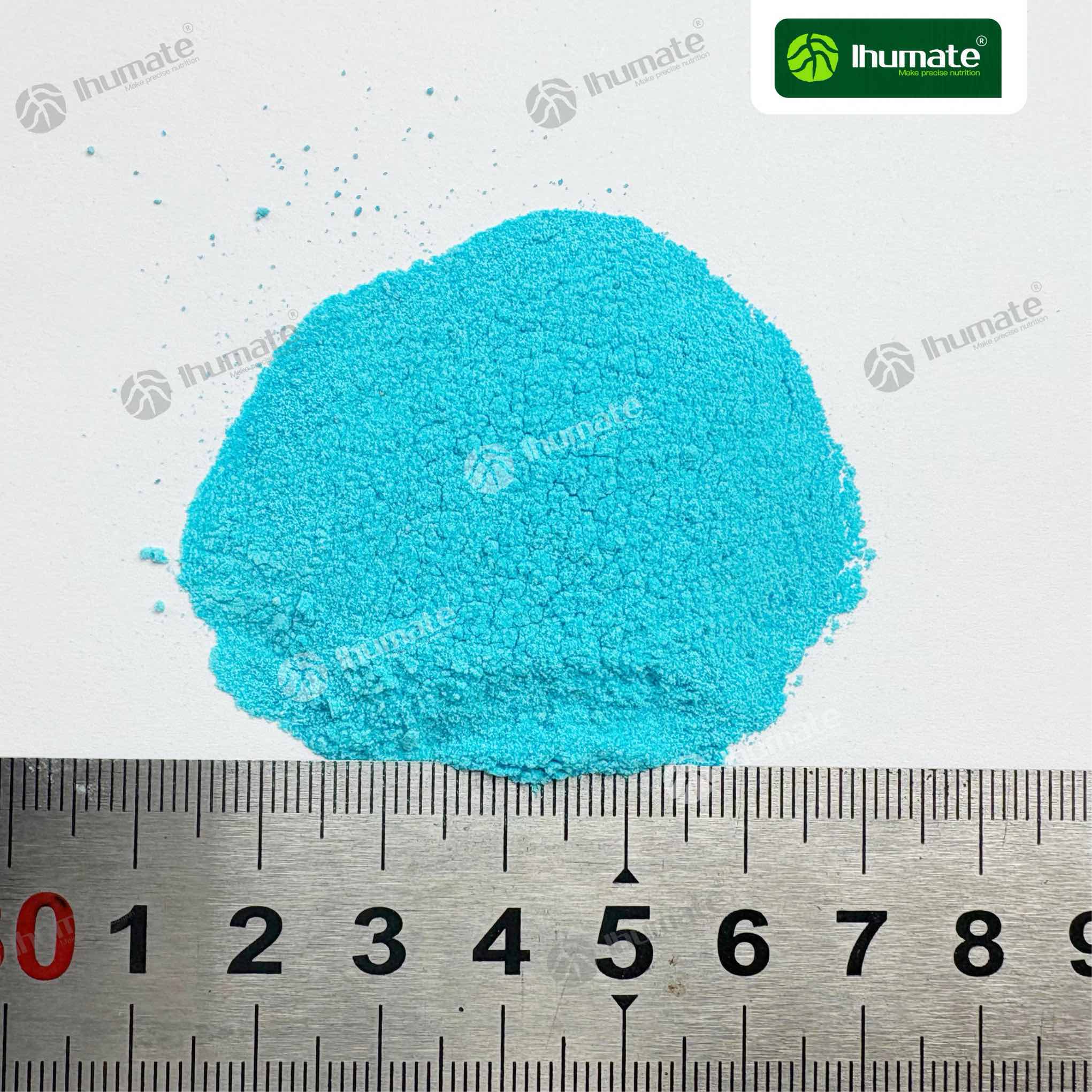
- Appearance: Powder
- Cu: > 25%
- Total Glycine: > 59%
Reference price range:USD 5000 - 6300
Copper Glycinate
Copper Glycinate: organic trace element raw material for fertilizer and feed premix formulations
Ihumate Copper Glycinate uses glycine as a nutritional ligand to convert copper into a small-molecule organic chelate. In agriculture, it can be used as a copper source for foliar fertilizers, water-soluble fertilizers, fertigation blends, compound micronutrient fertilizers and liquid specialty fertilizers, helping reduce precipitation, antagonism and fixation issues common with inorganic salts. In feed applications, it can be used as an organic trace mineral raw material in premixes where local regulations allow and a qualified nutritionist defines the formula.
Compared with EDTA chelates, glycinates use a nutrition-oriented ligand and are better positioned for feed additive applications. EDTA still has stronger stability in certain alkaline fertilizer systems. The right choice depends on application, pH, target crop or animal, and regulatory requirements.
Copper supports lignin formation, pollen viability, redox enzymes and plant stress response, making it useful for cereals, orchards and targeted copper nutrition.
Copper Glycinate Specifications
| Technical Parameters | Detailed Specs | Testing Methods | Reference Standards |
|---|---|---|---|
| Appearance | Powder | - | - |
| Cu | > 25% | - | - |
| Total Glycine | > 59% | - | - |
Copper Glycinate - Introduction Video
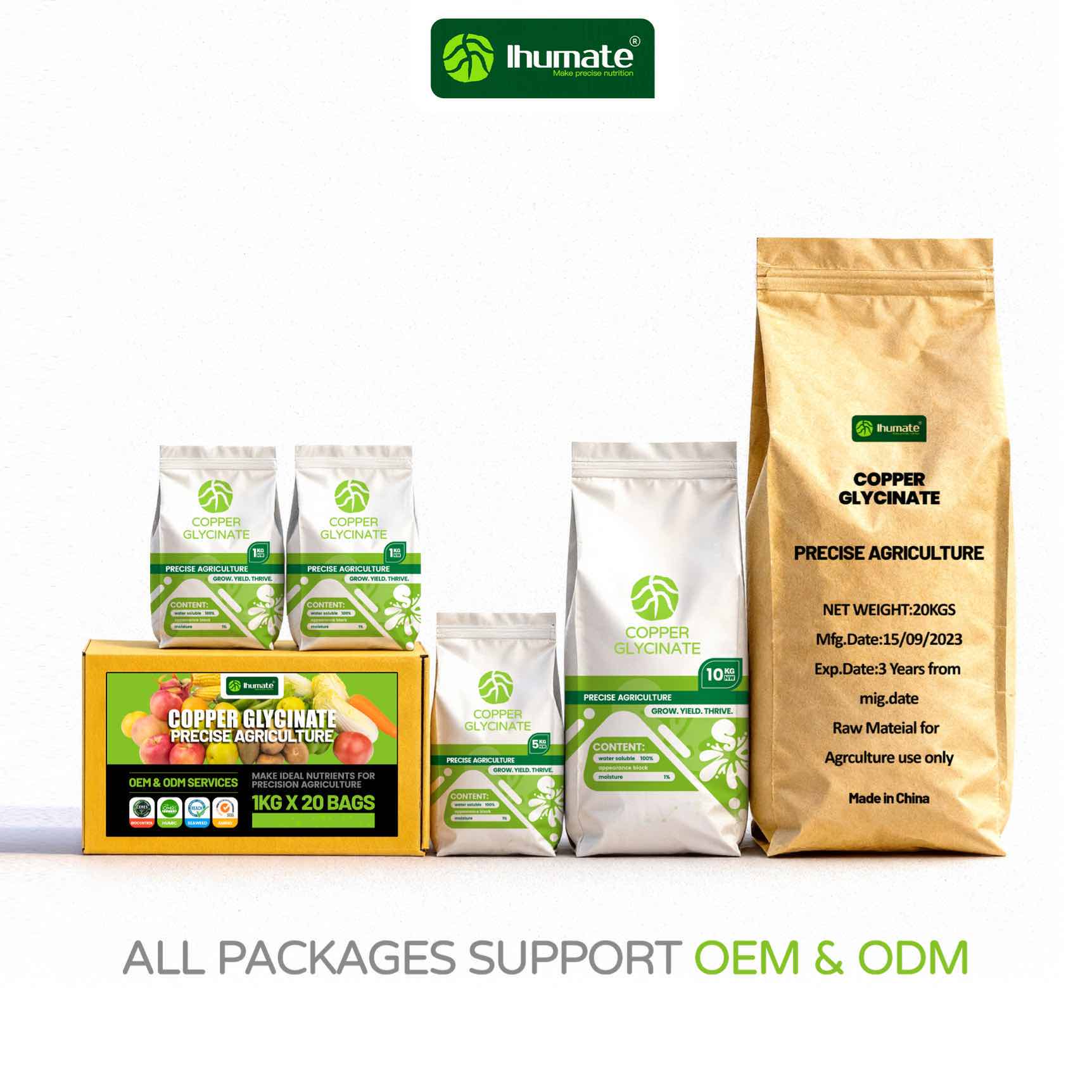
- Product appearance and packaging
- Glycine-chelated trace element
Copper Glycinate - Water Solubility Video
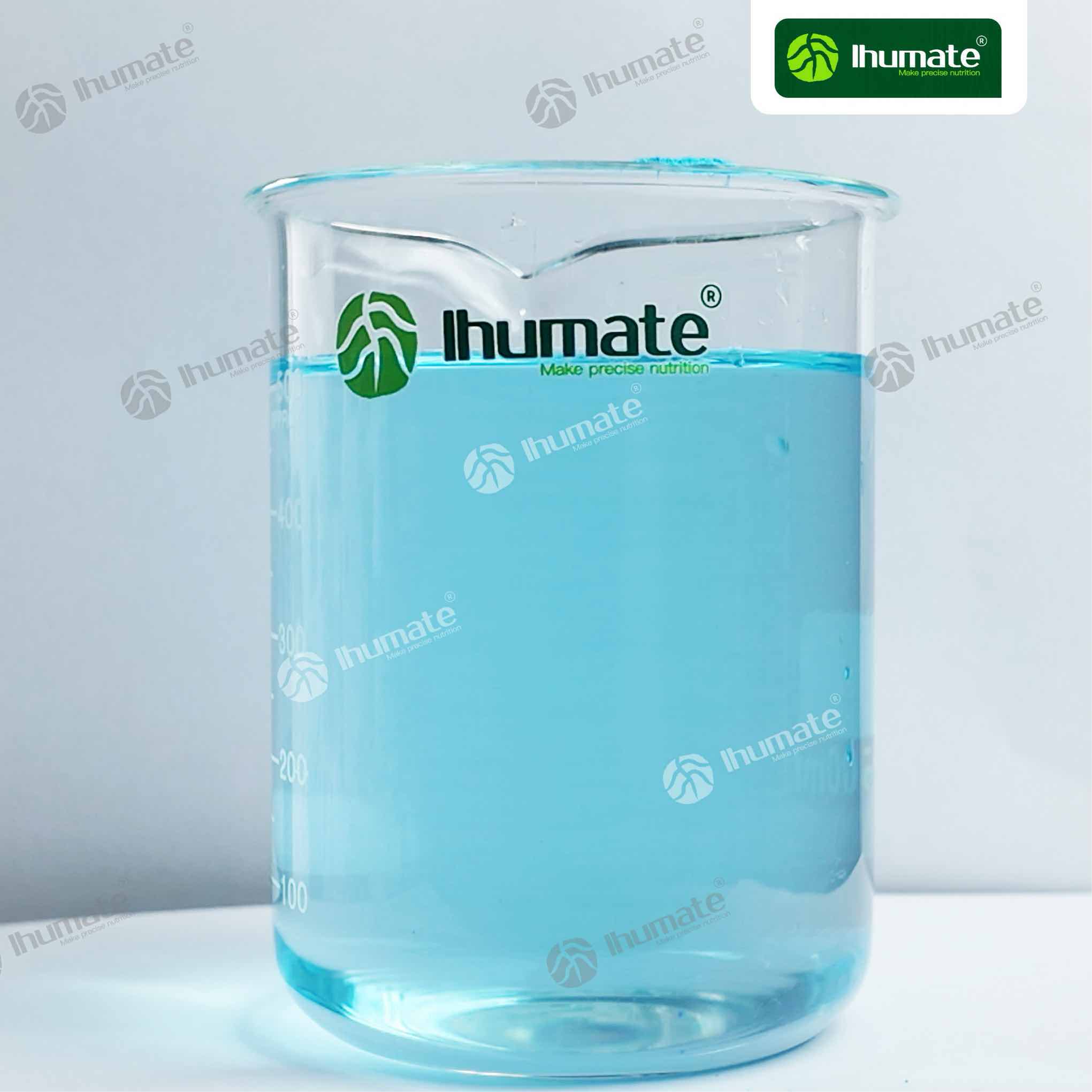
- 100% Water Soluble
- Fast dissolution without residue
COA, TDS, MSDS & HM Test Reports
Certificate of Analysis (COA)
Certificate of Analysis: Copper Glycinate
Technical Data Sheet (TDS)
TDS: Copper Glycinate
Safety Data Sheet (MSDS)
MSDS: Copper Glycinate
Heavy Metal Test Report
Heavy Metal Test Report: Copper Glycinate
Download Support
Need custom documents or specific test results?
Frequently Asked Questions


1
What is the difference between Copper Glycinate and EDTA copper?
EDTA copper offers strong chelate stability and is often selected for water-soluble fertilizer and some alkaline systems. Copper Glycinate uses glycine as the ligand, making it better positioned as an organic trace mineral and feed premix raw material. Choose by pH, compatibility, crop or animal target, and local regulation.
2
How is glycinate different from general amino acid chelates?
Amino acid chelates are a broad category, often made with mixed hydrolyzed amino acids. Glycinate is a more precise single-ligand route using glycine only. Because glycine is the smallest and simplest amino acid, glycinates offer a more consistent structure, faster foliar-use positioning and stronger value for premium liquid, export and deficiency-correction formulas.
3
Can it be used both as fertilizer and feed additive raw material?
Yes. It can be used in foliar fertilizers, fertigation blends, liquid fertilizers and compound micronutrient fertilizers. For feed premixes, use only according to target-market regulations, animal category limits and a qualified nutritionist formula.
4
How is it different from sulfate or oxide trace minerals?
The glycinate form helps reduce precipitation and antagonism compared with many inorganic trace mineral salts, improving formulation compatibility in premium soluble fertilizers and organic trace mineral premixes.
5
Are you a trading company or a manufacturer?
We are a professional manufacturing enterprise. Our modern factory is located in Huozhou, Linfen, Shanxi, China. With an annual capacity of 500,000 tons, we invite global partners to visit our facility.
6
How do you perform quality control?
7
Do you provide samples?
8
What are the payment terms?
9
How can I track my shipment after payment?
10
What is the Minimum Order Quantity (MOQ)?
11
Can you customize packaging or print our logo?
12
How long is the delivery time?
More questions about our products?
Application & Dosage: Copper Glycinate
Application guide: use in foliar spray, drip irrigation, fertigation and fertilizer manufacturing. For feed use, treat it as a premix raw material and follow local regulations, target species limits and nutritionist recommendations. Avoid direct mixing with strong oxidizers, strong acid or strong alkaline systems; run a jar test before large-scale blending.
Fertilizer Manufacturing and Blending
- Water-Soluble and Liquid Fertilizers:Organic chelated trace element raw material for soluble fertilizers, liquid specialty fertilizers and compound micronutrient blends.
- Foliar Fertilizers:Suitable for pre-flowering, young fruit, rapid vegetative growth and early deficiency correction while reducing leaf burn risk versus many inorganic salts.
- Granular and Compound Fertilizers:Can be blended into granules, NPK and organic fertilizer formulas to improve micronutrient dispersion.
Feed Premixes
- Organic Trace Mineral Source:Can be used as an organic trace mineral raw material in livestock, poultry, aquaculture and ruminant premixes within regulatory limits.
- Better Fit Than EDTA for Feed:The glycine ligand aligns better with nutritional formulation logic than EDTA chelates in feed additive applications.
Application Ratio Scheme
| Crop Name | Growth Stage | Application Ratio |
|---|---|---|
| Foliar spray | Early deficiency / rapid growth | 0.5-1.5 kg/ha, or 800-1500x dilution |
| Drip irrigation / fertigation | Active root growth | 1-3 kg/ha/application |
| Water-soluble / liquid fertilizer | Micronutrient formulation | 1-5 kg/MT, adjust by target element level |
| Granular / compound fertilizer | Manufacturing blend | 0.5-3 kg/MT, adjust by formula |
| Feed premix | Trace mineral source | Add according to species, legal limits and nutritionist formula |
Product Advantages: Copper Glycinate
Copper Glycinate uses glycine chelation to add value across crop nutrition, fertilizer manufacturing and feed premix applications.
1
Organic chelation reduces precipitation
Glycine ligands coordinate copper, helping reduce reaction with phosphate, carbonate or hard-water ions in high-end soluble and liquid fertilizer systems.
2
Single glycine ligand for fast uptake positioning
Glycine is the smallest and simplest amino acid, with a molecular weight of about 75. Trace elements chelated with glycine are well positioned for foliar spray and rapid deficiency-correction formulas, especially in premium fruit, vegetable, greenhouse and cash-crop programs.
3
More consistent structure and batch stability
Compared with mixed amino acid hydrolysates, glycinates use one defined ligand, making the chelate structure easier to control and reducing batch-to-batch variation in premium export, liquid fertilizer and fully water-soluble foliar formulas.
4
Clearer premium formulation value
General amino acid chelates fit cost-sensitive field and volume formulas. Glycinates are better suited to high-end product lines that emphasize purity, stability, full solubility and fast uptake.
5
Gentle for foliar programs
The glycine ligand is mild and useful for micronutrient foliar nutrition on high-value crops, with lower leaf-stress risk than many inorganic salts. Run a small plot test before broad application.
6
Dual fertilizer and feed-premix use
Copper Glycinate can support crop micronutrient programs and organic trace mineral premixes, giving formulators one flexible raw material family.
7
Feed positioning safer than EDTA
Glycine is a nutritional ligand, so it is generally easier to position for feed additive raw material use than EDTA chelates. Use must follow local regulations.
8
Water-soluble and formulation friendly
Fine powder disperses easily for foliar spray, fertigation and liquid fertilizer production. Always test compatibility before scaling up mixed formulas.
9
Targeted copper nutrition
Copper supports lignin formation, pollen viability, redox enzymes and plant stress response, making it useful for cereals, orchards and targeted copper nutrition.
Certifications: Copper Glycinate
Ihumate is backed by globally recognized certifications.
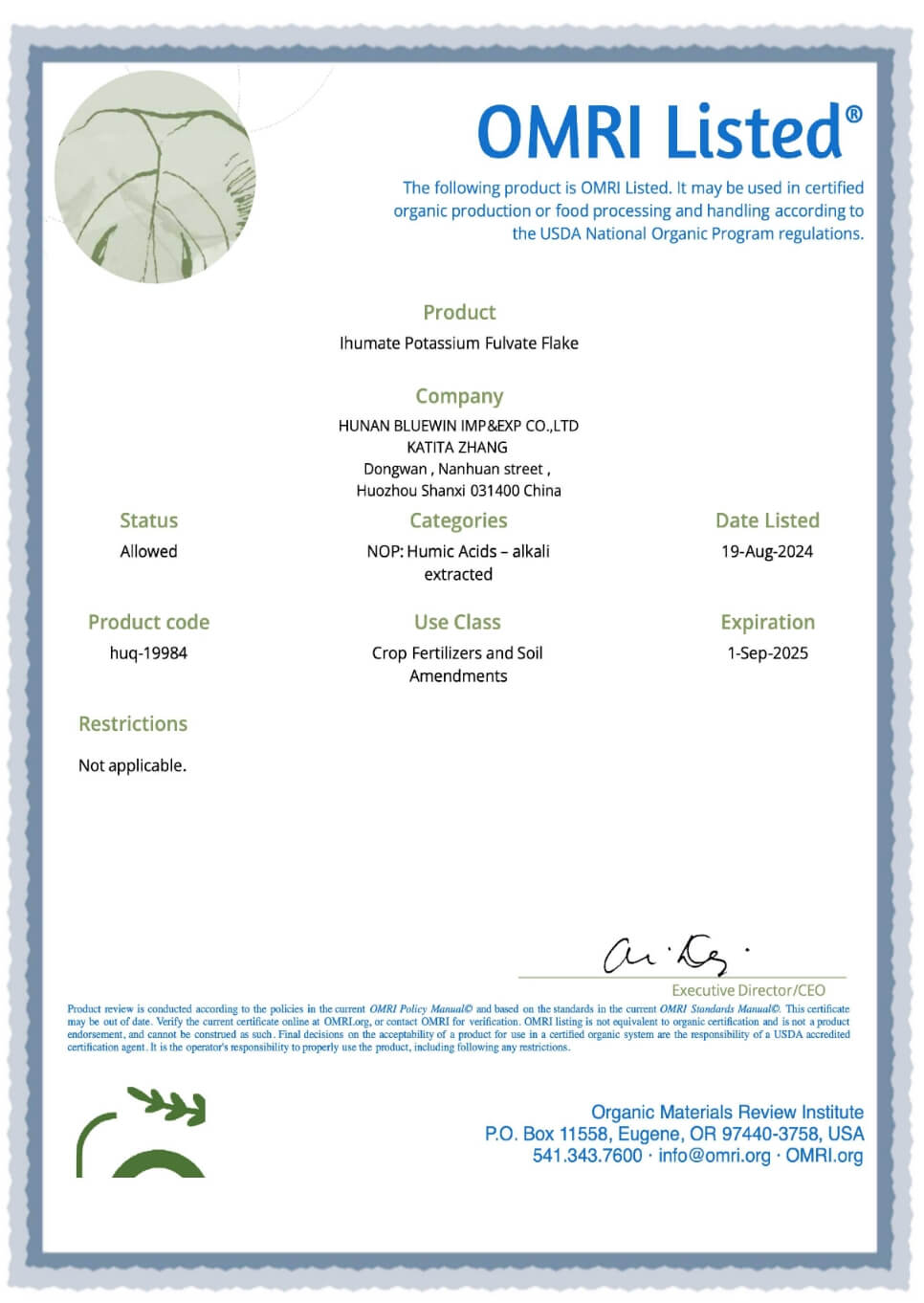
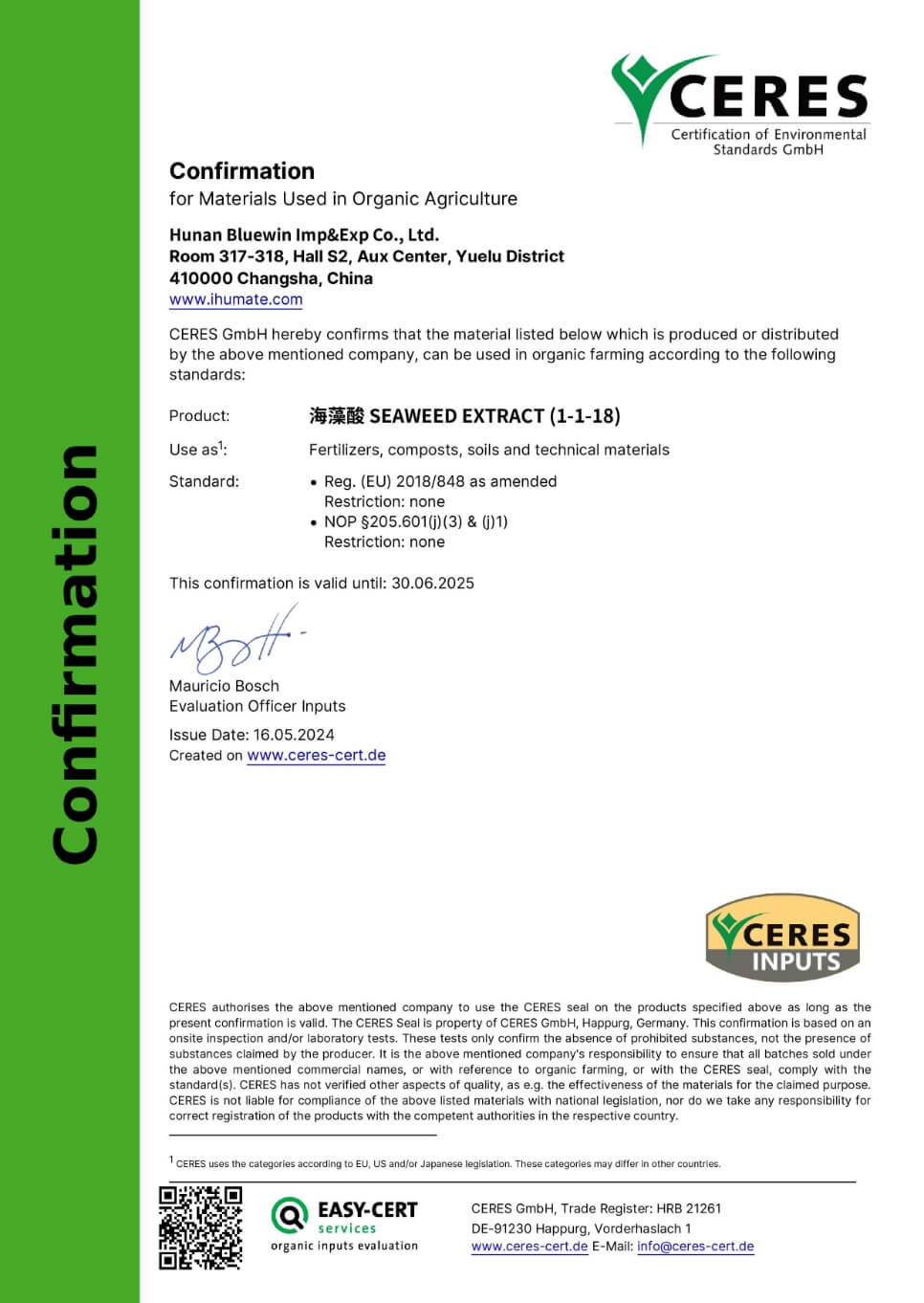
- 🏅 OMRI Listed – Approved for organic use (USDA/NOP standards)
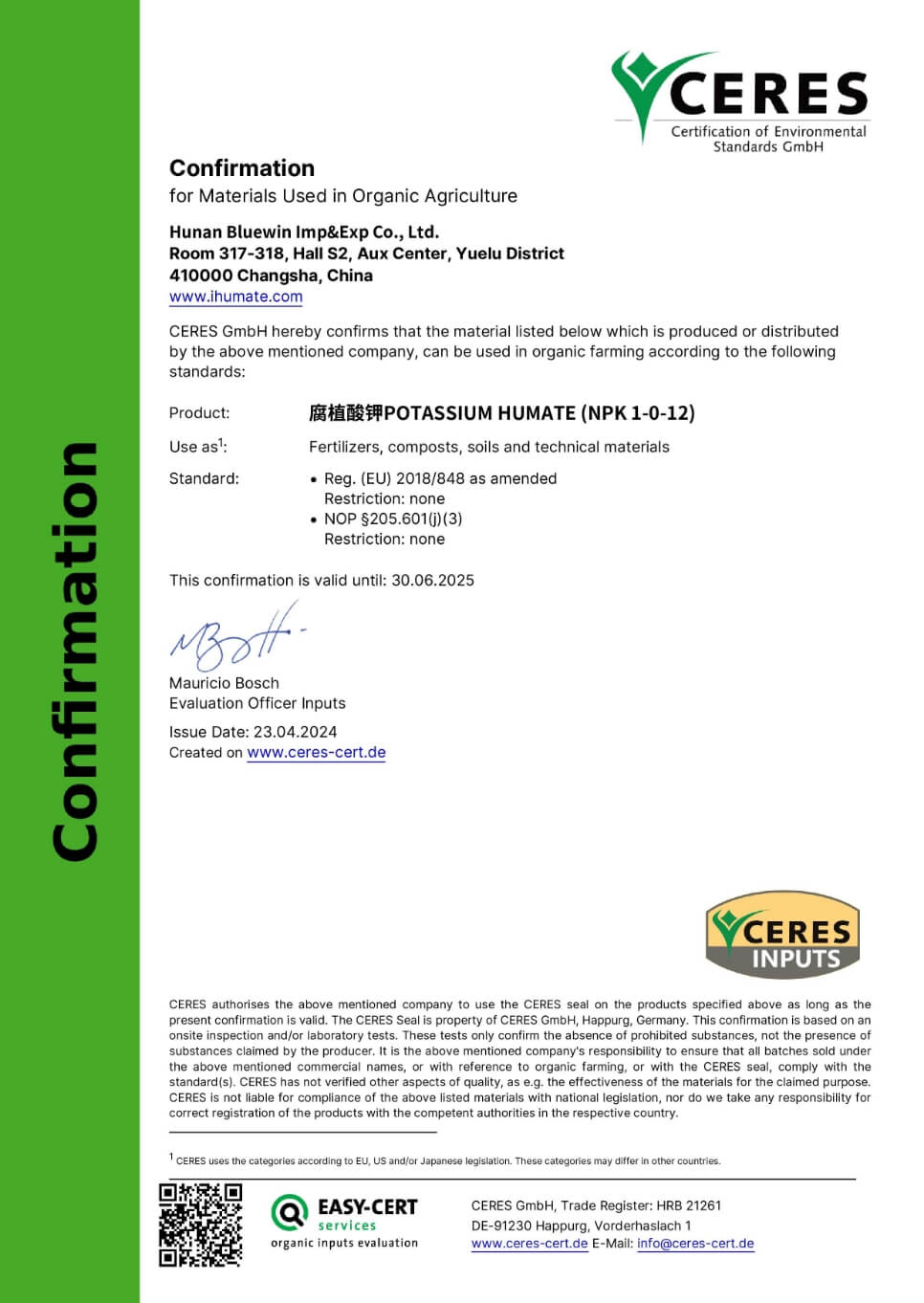
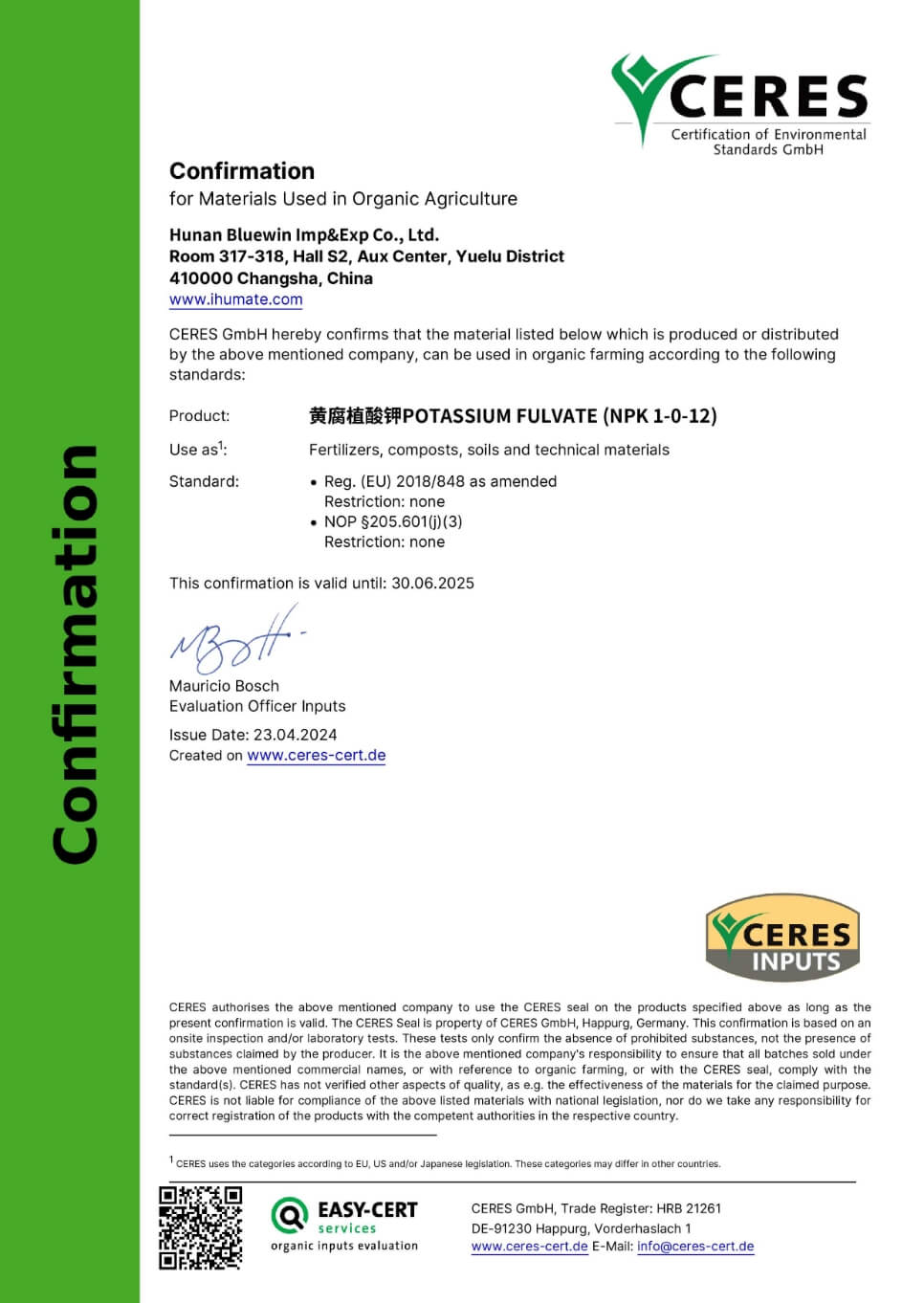
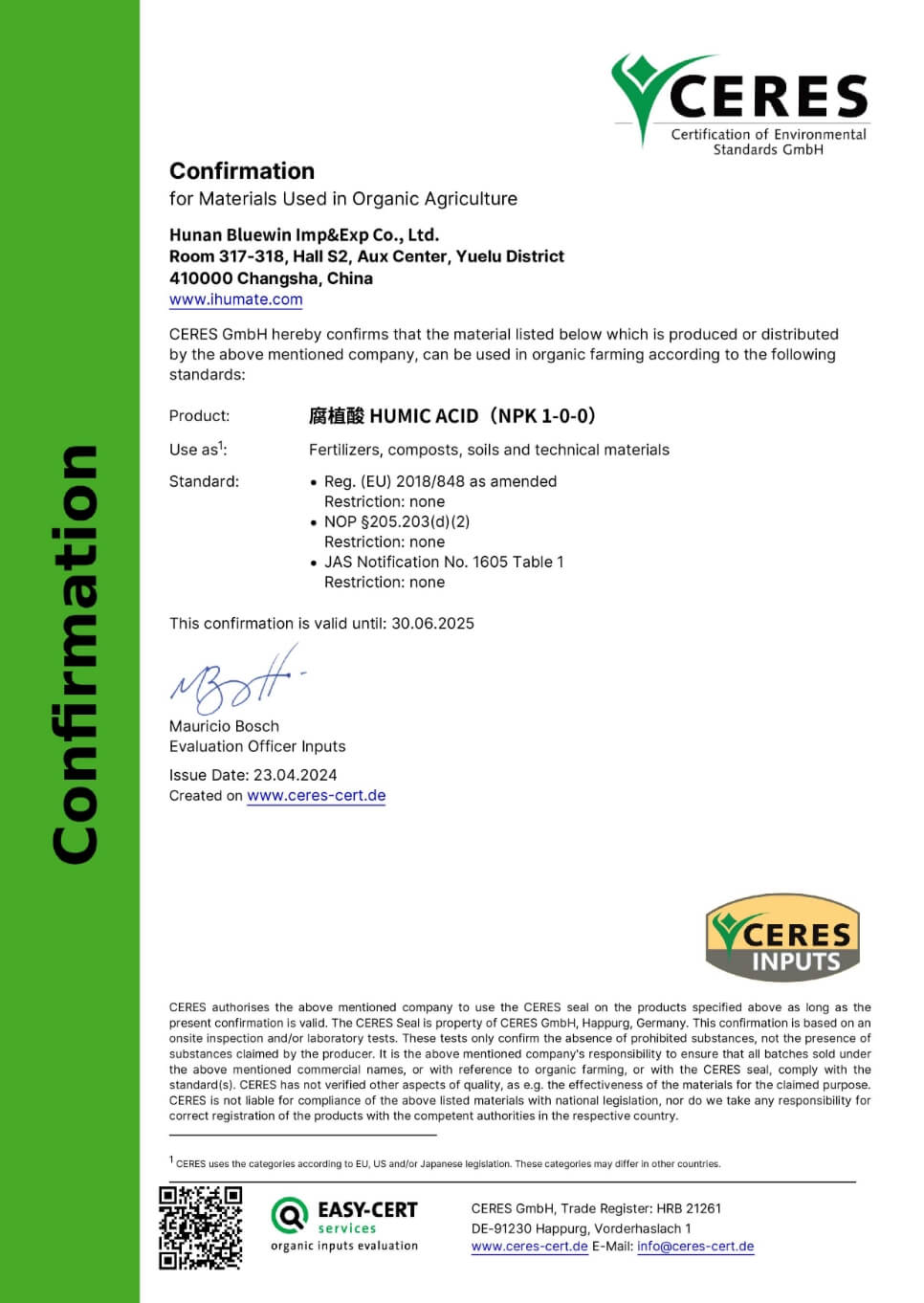
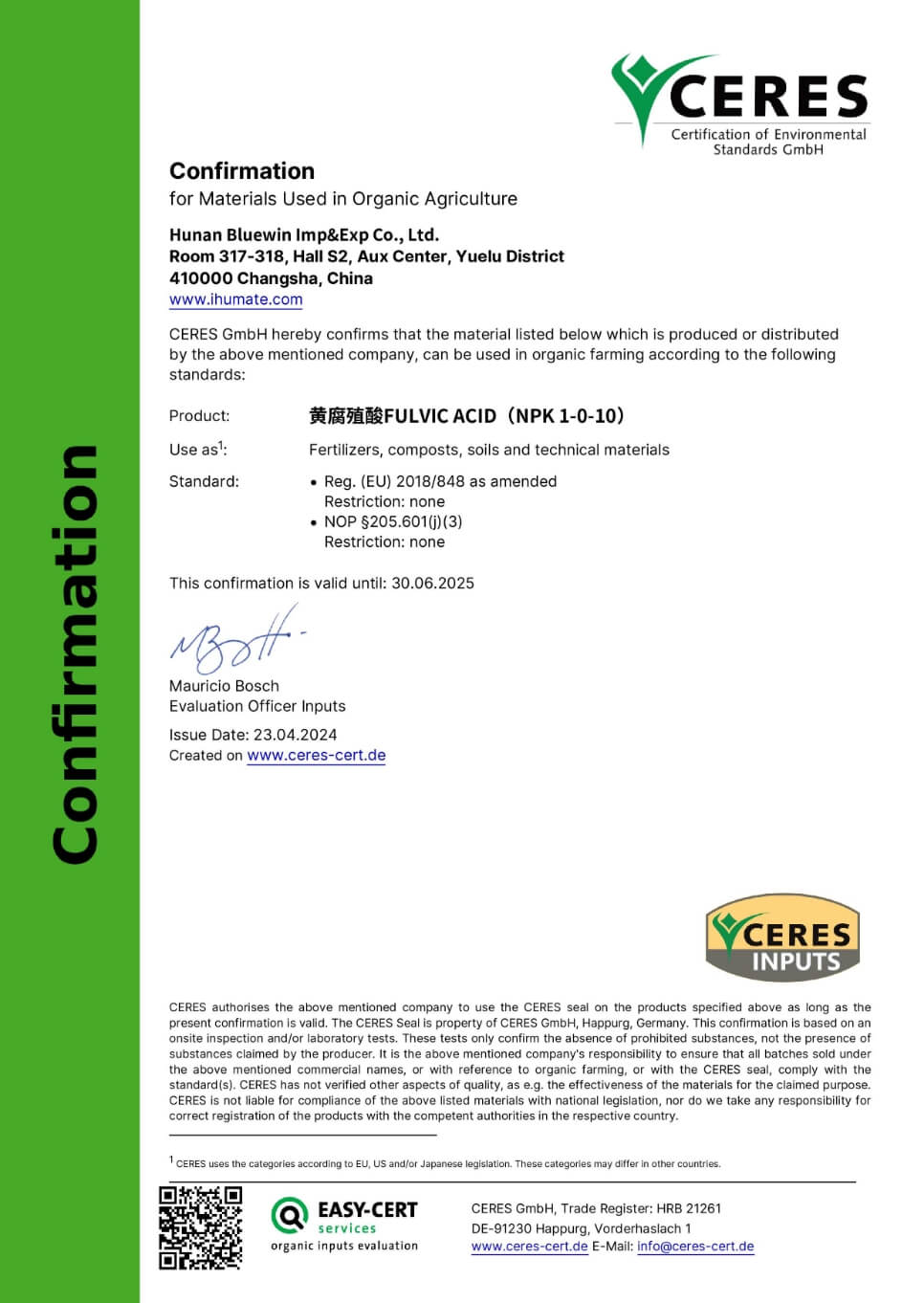
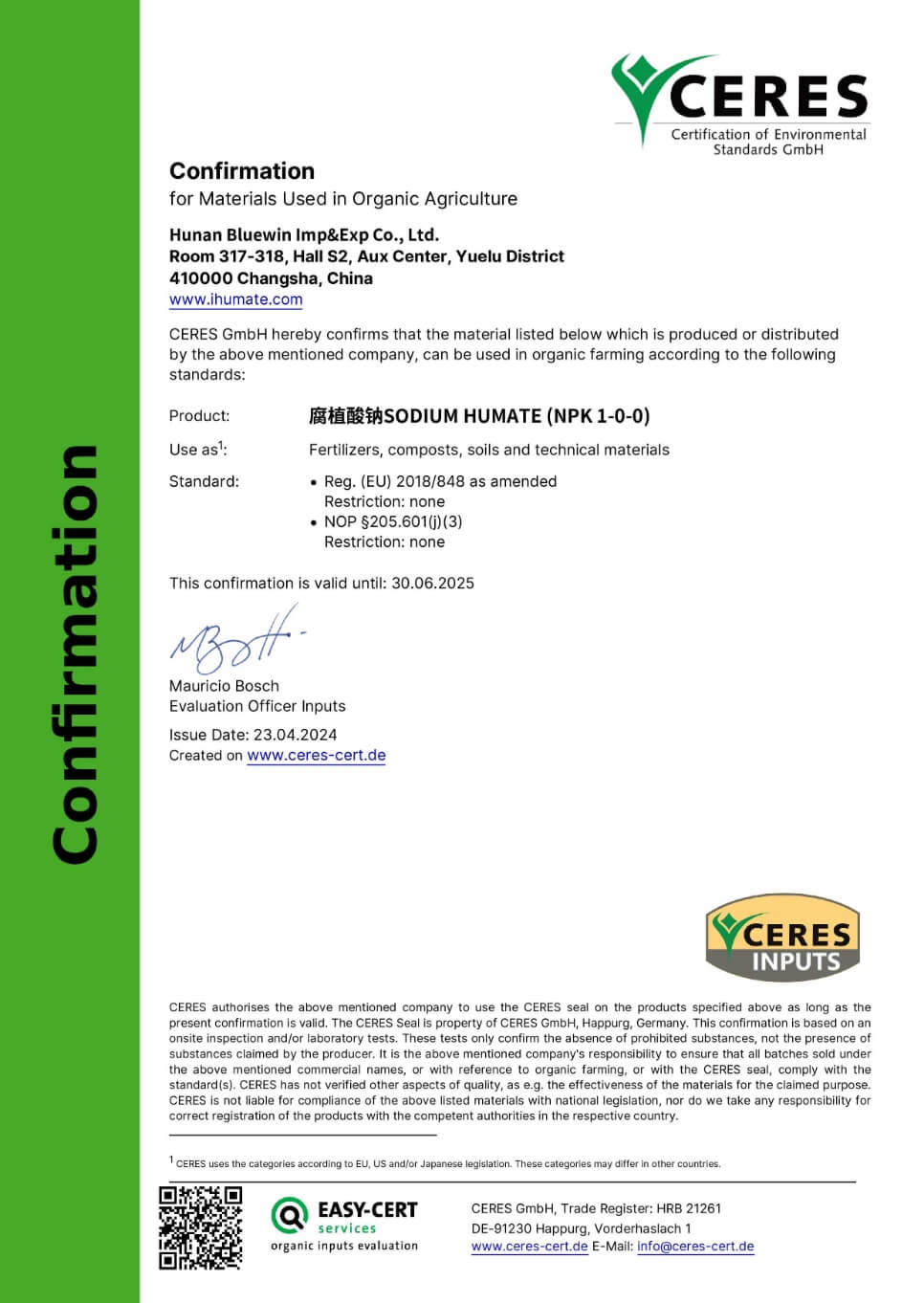
- 🏅 CERES Certified – High-standard organic inputs for sustainable agriculture
- ✔ Excellent international production process with full batch traceability
- ✔ Meeting the strict demands of global distributors and formulators
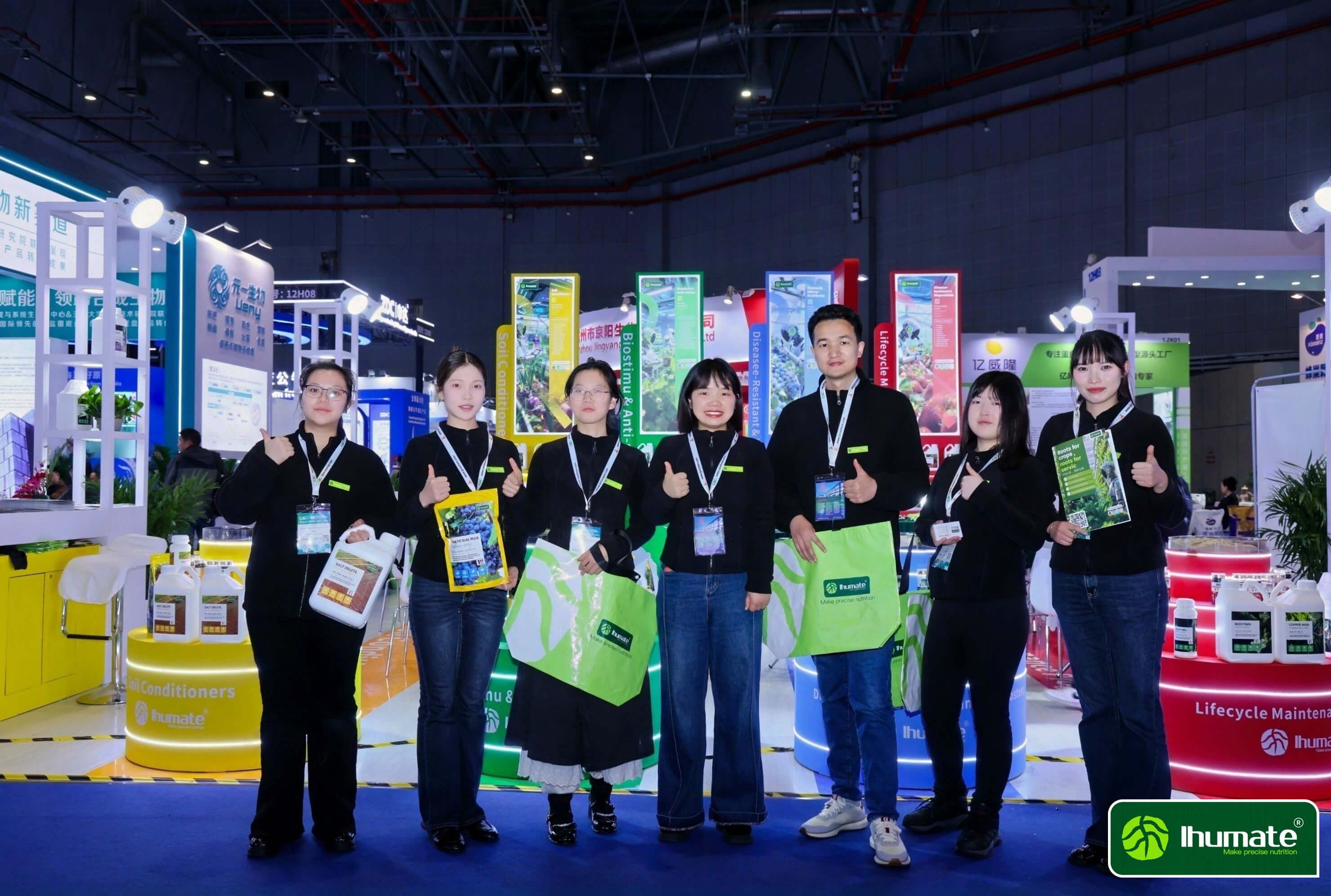
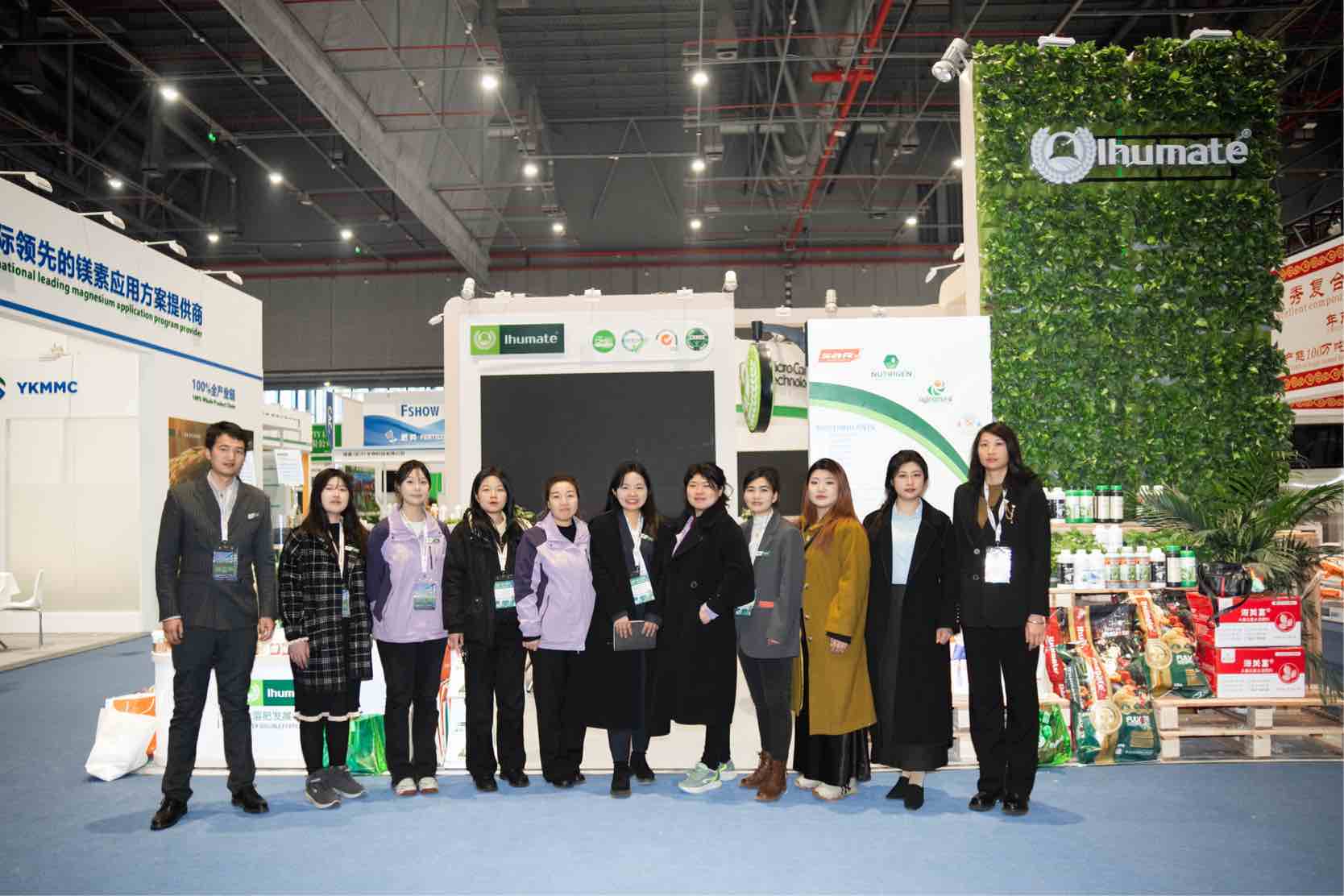
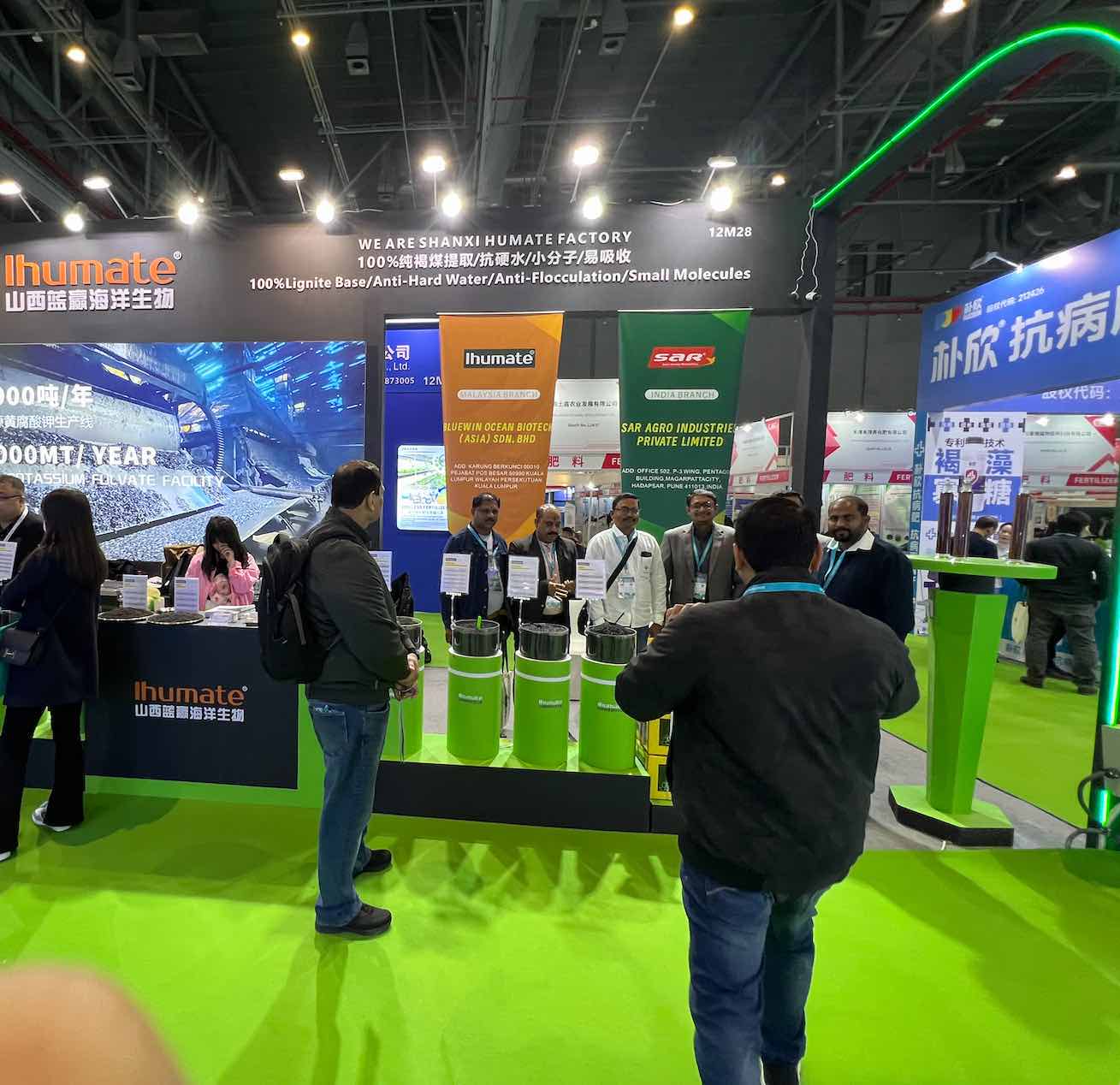
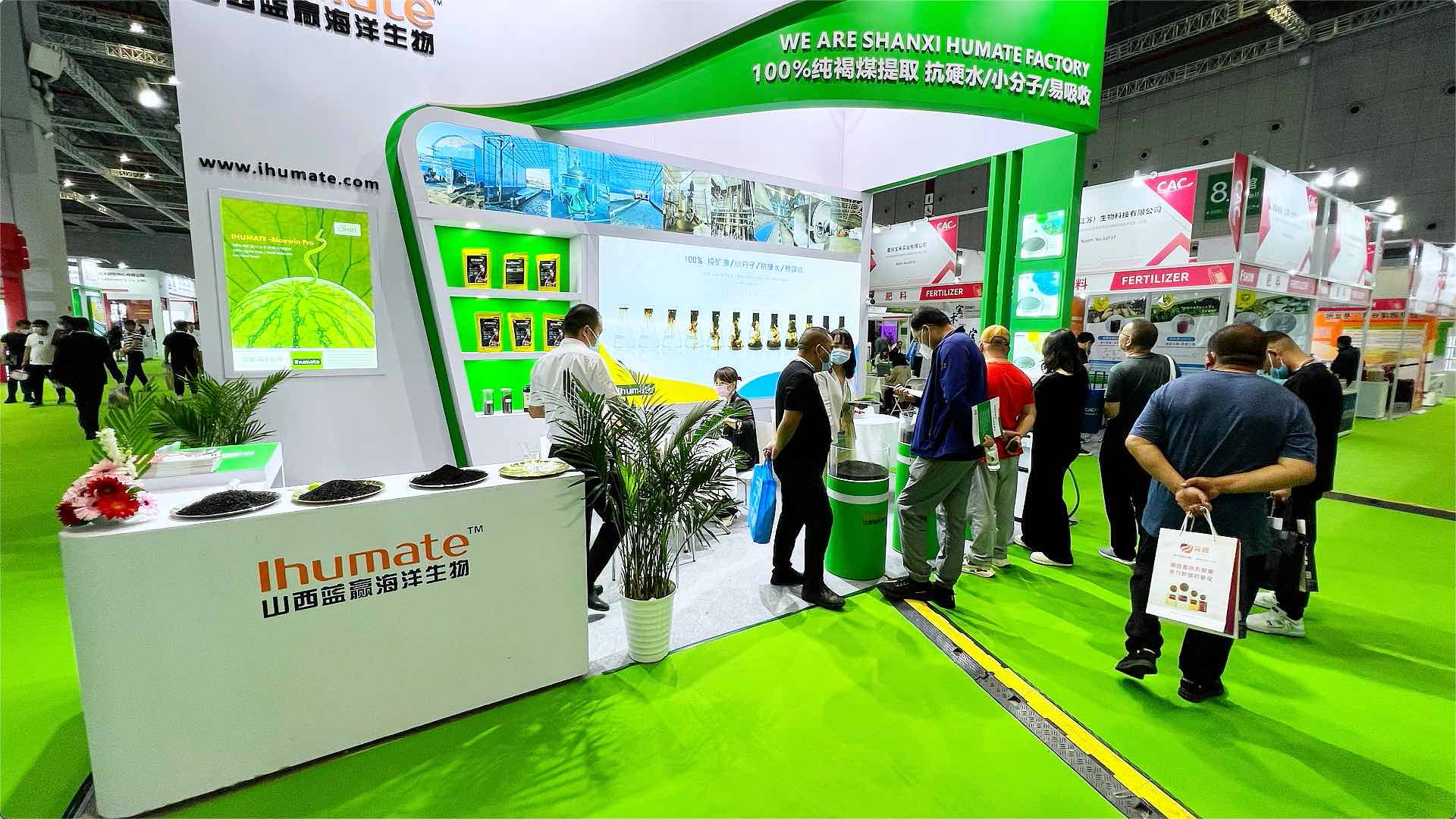
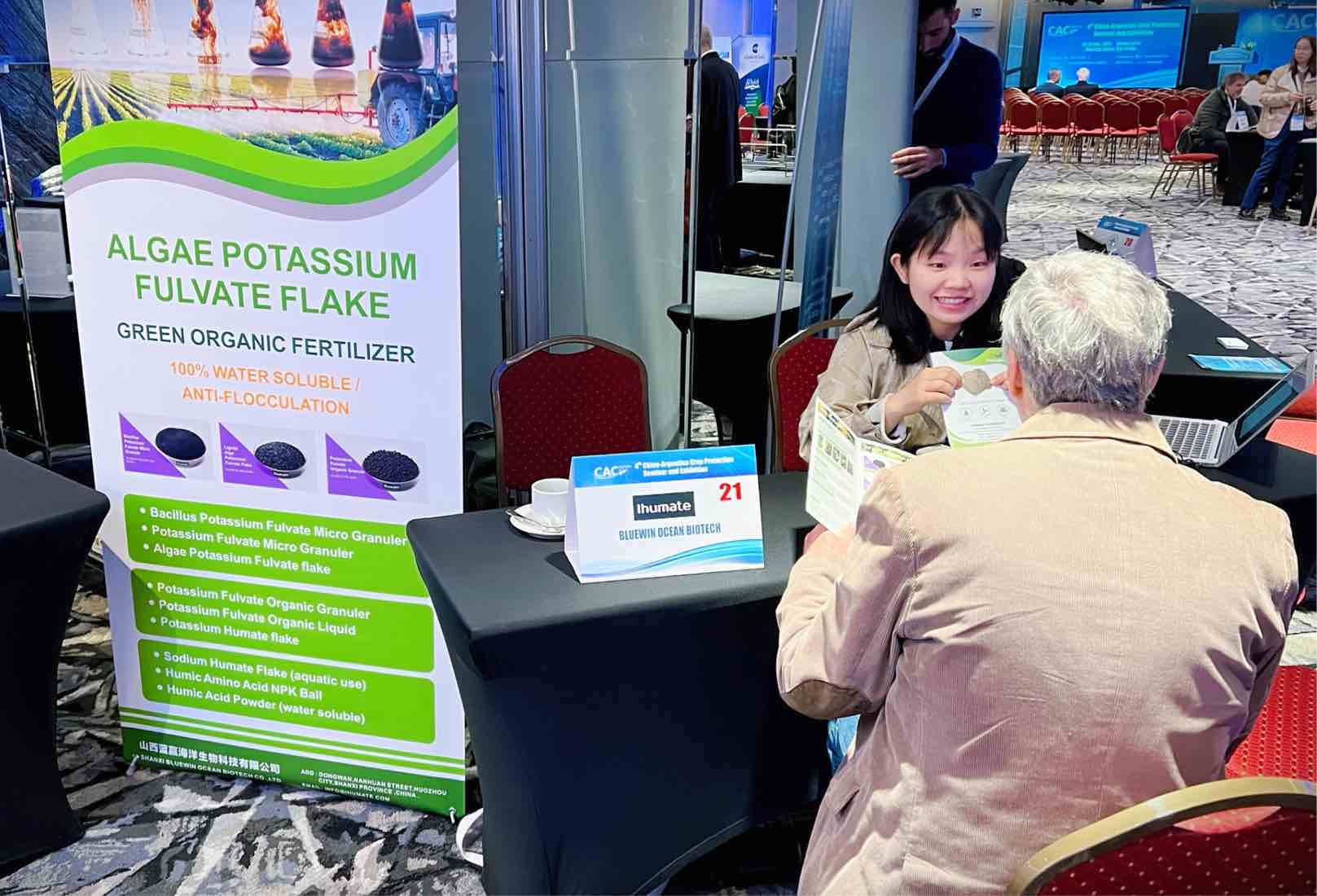
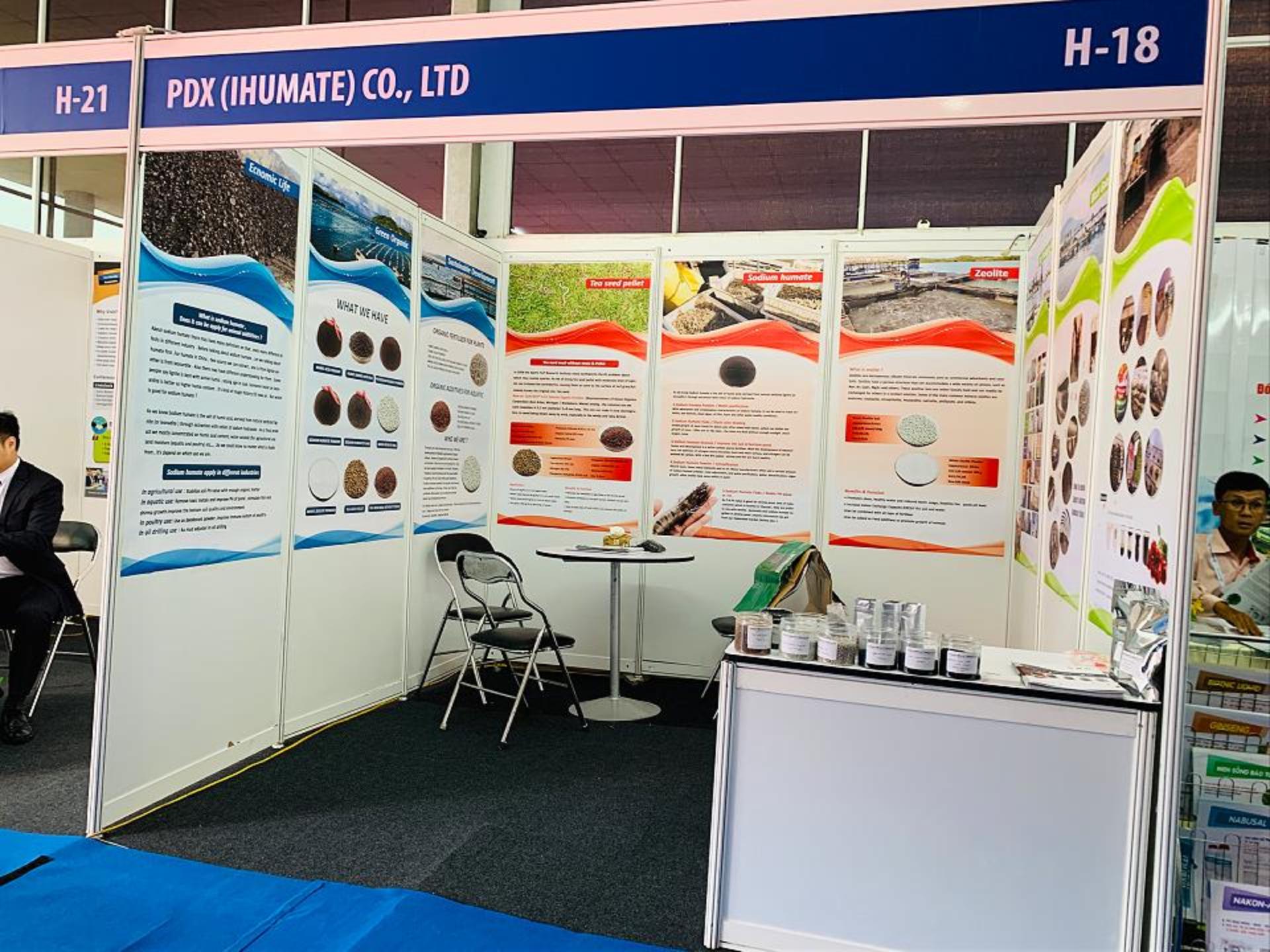
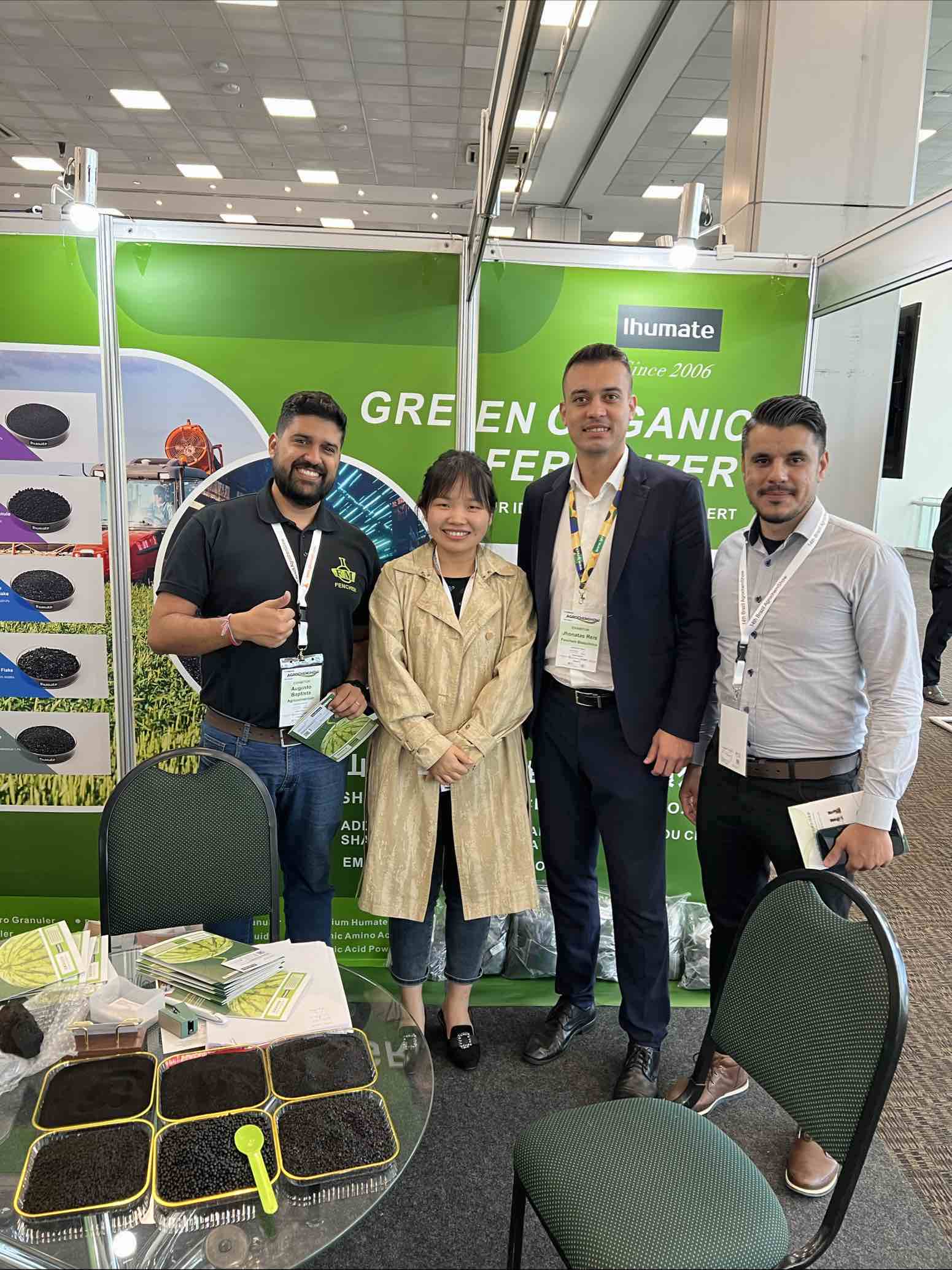
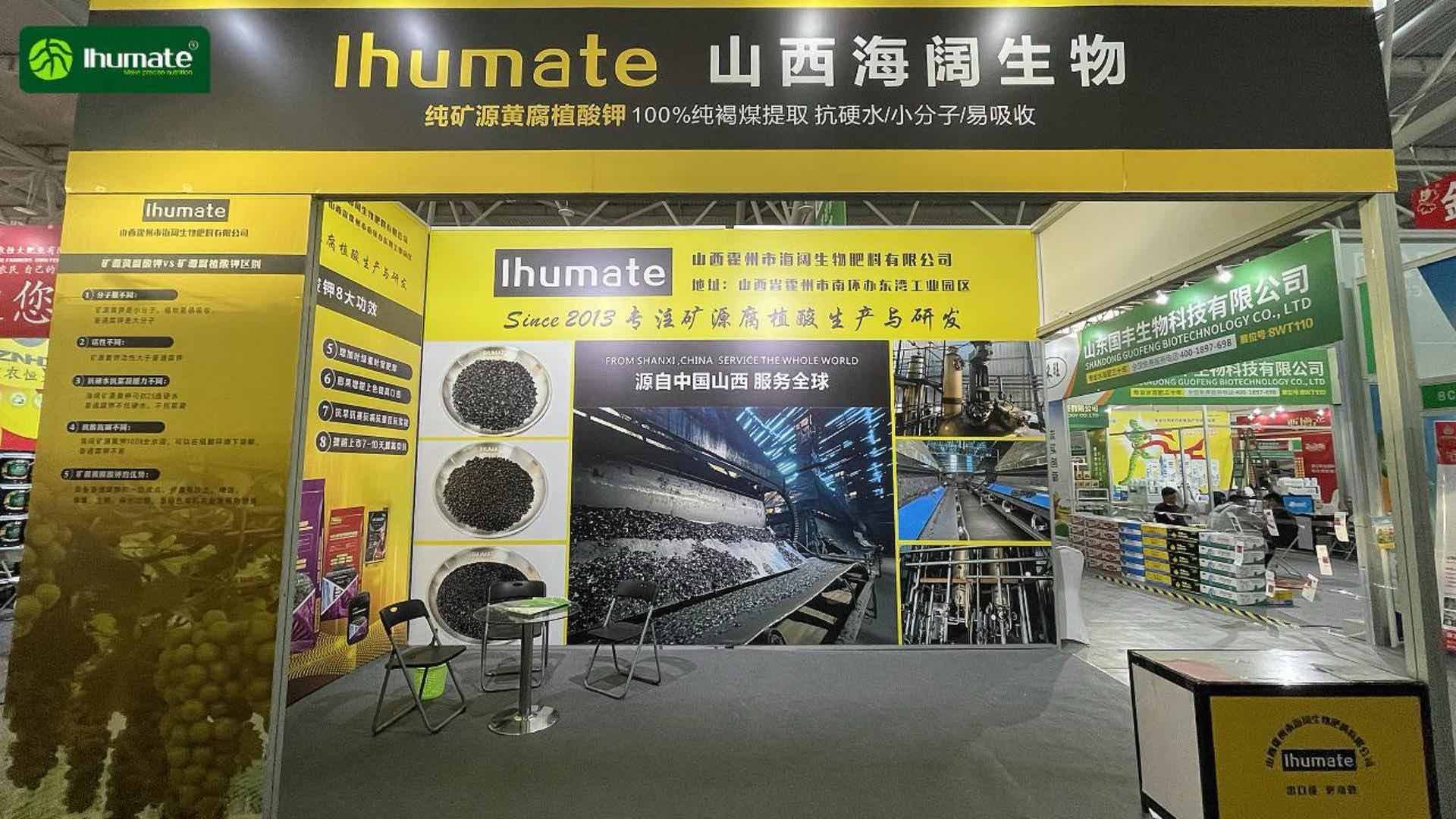
Ihumate Global Exhibition Videos
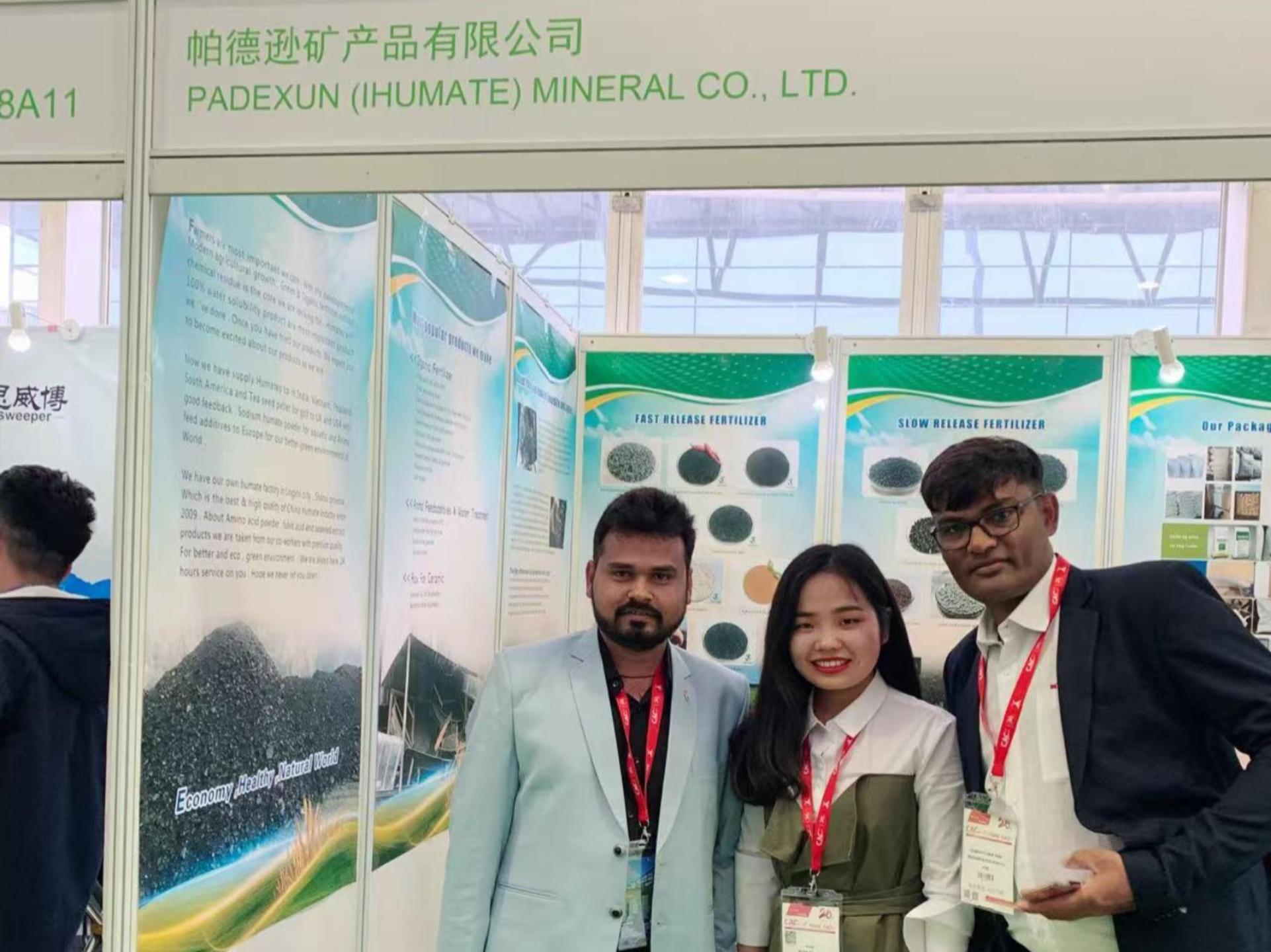
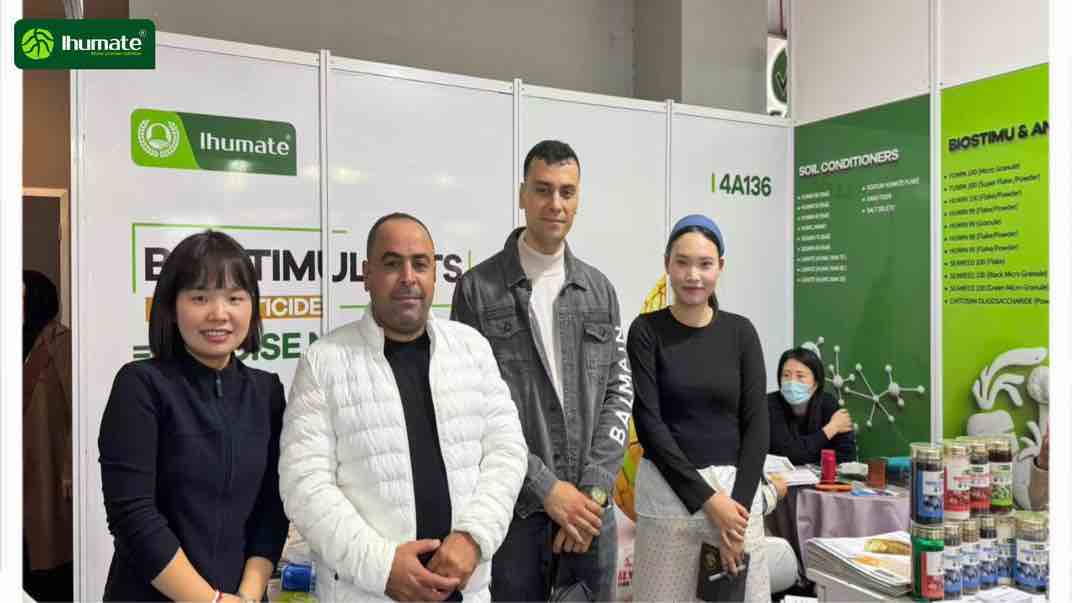
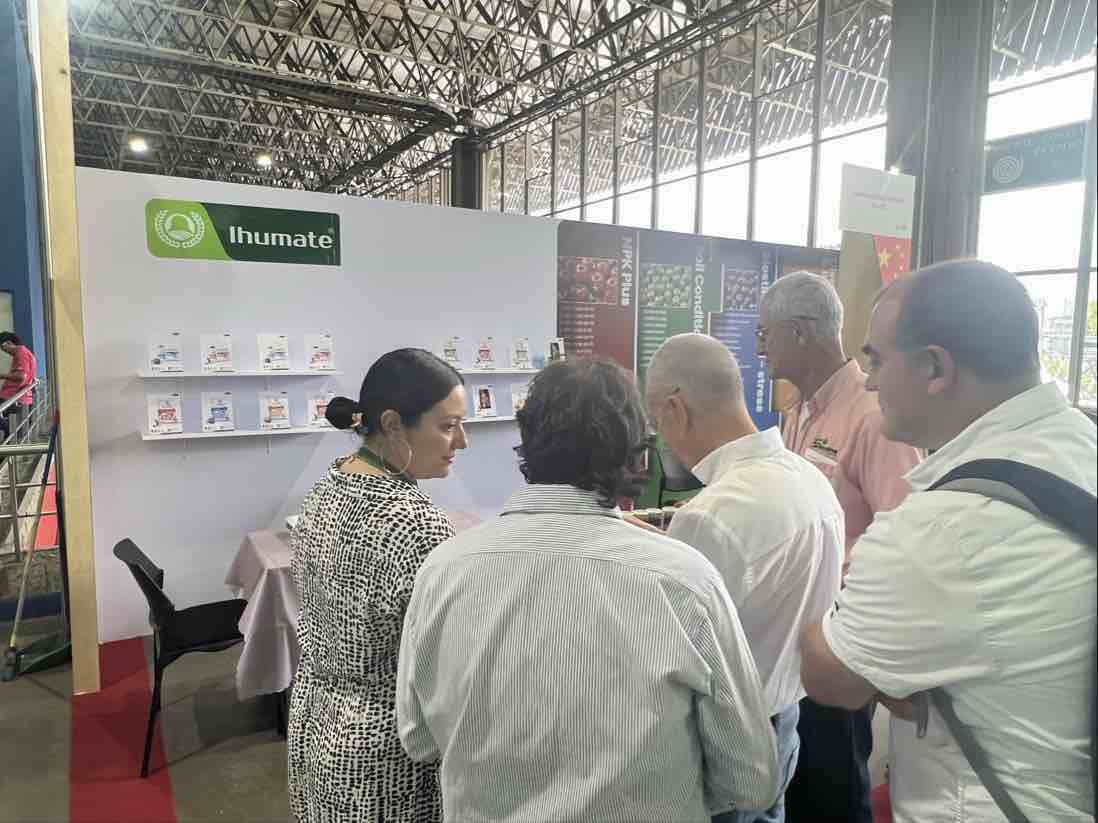
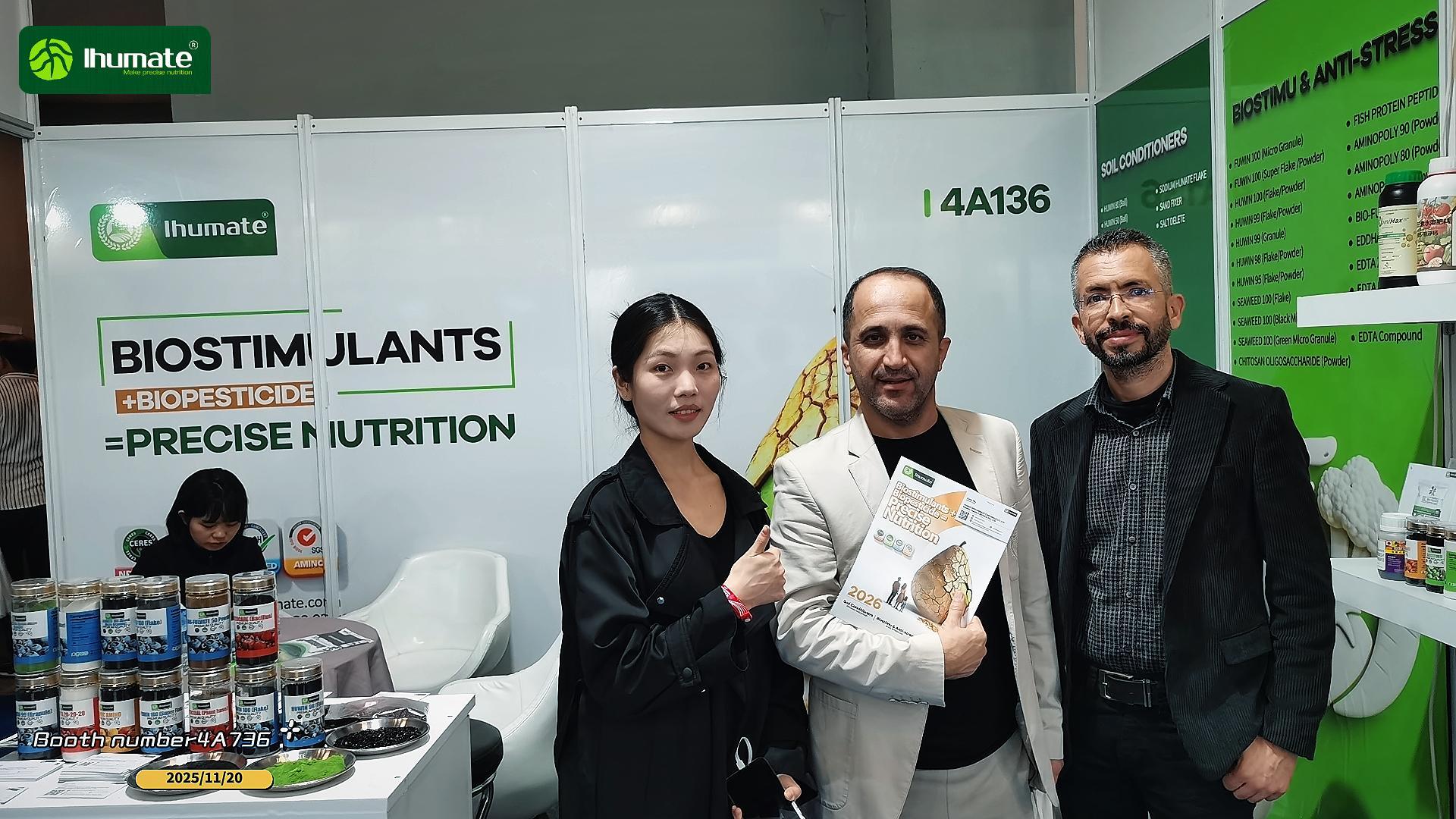
We showcase our Humic Acid, Seaweed, Liquid Fertilizer, and Bio-control series globally.
Join us at our 2026 exhibitions:
Event: Shanghai CAC (Fshow)
Booth: 12G05
Date: March 17-19, 2026
Address: No. 333 Songze Avenue, Qingpu District, Shanghai
Join us at our 2026 exhibitions:
Event: Shanghai CAC (Fshow)
Booth: 12G05
Date: March 17-19, 2026
Address: No. 333 Songze Avenue, Qingpu District, Shanghai
No. 64 Nangou, Chencun, Bailong Town, Huozhou City, Linfen City, Shanxi Province

© 2017 Shanxi Ihumate Biotech Co.,Ltd. All Rights Reserved | Privacy Policy | Powered by Ihumate