



ALGAMAX
- Appearance: Blue
- Alginic Acid: > 2%
- B, Fe, Mn, Zn, Cu, Mo, Ti, Se: > 10%
- Density: 1.4
Reference price range:USD 3100 - 4800
ALGAMAX
(ALGAMAX)
Alginic Acid for Stress Management + Eight Elements for Crop Nutrition
ALGAMAX is a liquid seaweed extract for crops facing fluctuating root-zone moisture, uneven growth after stress and gaps in micronutrient supply around flowering and fruit development. The blue liquid contains > 2% alginic acid and > 10% combined B, Fe, Mn, Zn, Cu, Mo, Ti and Se; density is 1.4. Its seaweed polysaccharide fraction and multi-element package fit key growth stages of fruit trees, vegetables, cereals and other high-value crops.
Alginic acid is hydrophilic and can complement root-zone water management. Research on alginate-derived materials also links them with root growth, leaf water status and antioxidant responses under drought, salinity and temperature stress. Use ALGAMAX after transplant establishment, during active growth or around a forecast heat or drought period to align water management and nutrient supply. Extraction method, soil and crop conditions influence the field response, so compare treated and untreated areas.
The eight added elements address different plant processes: Fe and Mn support chlorophyll-related activity and photosynthesis; B and Zn matter for new growth and reproductive development; Cu and Mo contribute to enzyme systems and nitrogen metabolism. Ti and Se may act as beneficial elements at suitable low doses in some crops. Base the application on soil and leaf analysis; the declared 10% is a combined total, not the individual content of each element.
ALGAMAX Specifications
| Technical Parameters | Detailed Specs | Testing Methods | Reference Standards |
|---|---|---|---|
| Appearance | Blue | - | - |
| Alginic Acid | > 2% | - | - |
| B, Fe, Mn, Zn, Cu, Mo, Ti, Se | > 10% | - | - |
| Density | 1.4 | - | - |
ALGAMAX - Introduction Video
- > 2% alginic acid for stress-period management
- Seaweed fraction for root and leaf recovery
- Fe + Mn for chlorophyll and photosynthetic function
COA, TDS, MSDS & HM Test Reports
Certificate of Analysis (COA)
Certificate of Analysis: ALGAMAX
Technical Data Sheet (TDS)
TDS: ALGAMAX
Safety Data Sheet (MSDS)
MSDS: ALGAMAX
Heavy Metal Test Report
Heavy Metal Test Report: ALGAMAX
Download Support
Need custom documents or specific test results?
Frequently Asked Questions


1
What does the alginic acid in ALGAMAX do?
Its hydrophilic nature can complement root-zone water management. Research on alginate-derived materials links them with root, leaf and stress responses; verify the result on local crops.
2
How do the eight added elements help plants?
Fe/Mn relate to photosynthesis, B/Zn to new growth and reproduction, Cu/Mo to enzymes and nitrogen metabolism; Ti/Se are conditionally beneficial. The >10% declaration is the combined total.
3
When should ALGAMAX be fertigated or sprayed?
Consider root-zone use after establishment and during rapid growth. Foliar use can be considered around flowering or for a test-confirmed nutrient gap, following the label and a small-area trial.
4
Are you a trading company or a manufacturer?
We are a professional manufacturing enterprise. Our modern factory is located in Huozhou, Linfen, Shanxi, China. With an annual capacity of 500,000 tons, we invite global partners to visit our facility.
5
How do you perform quality control?
6
Do you provide samples?
7
What are the payment terms?
8
How can I track my shipment after payment?
9
What is the Minimum Order Quantity (MOQ)?
10
Can you customize packaging or print our logo?
11
How long is the delivery time?
More questions about our products?
Application & Dosage: ALGAMAX
Consider root-zone or foliar use after establishment, during rapid growth, from pre-bloom to young fruit, or around anticipated heat, drought and salinity changes. The table retains reference rates per hectare. Set foliar dilution, frequency and tank-mix practice from the product label and a small local trial. Avoid foliar spraying in strong heat and maintain consistent irrigation for root-zone applications.
Fertigation and soil drench
- Root-zone moisture and nutrition:Dilute thoroughly and distribute evenly with irrigation into the active root zone, especially after establishment and during rapid growth. Where drought or salinity is significant, also manage irrigation water, soil pH and drainage.
- Flowering and fruit nutrition:Use soil and leaf analysis to guide applications from pre-bloom to young fruit, monitoring B, Zn and other needs alongside basal NPK, calcium and magnesium.
Foliar use and tank mixing
- Targeted foliar support:When leaf tests or symptoms suggest a nutrient gap, dilute according to the label and trial a small area. Avoid hot sun and imminent rain; do not diagnose an individual deficiency from one symptom.
- Compatibility check:Review both labels and run a jar test before mixing with fertilizers or pesticides. Expand only after checking crop response.
Application Ratio Scheme
| Crop Name | Growth Stage | Application Ratio |
|---|---|---|
| Rice | Seedling stage | 1.5-2.5 L/ha |
| Tillering stage | 2.0-3.0 L/ha | |
| Citrus/Apple | Budding stage | 3.0-4.0 L/ha |
| Fruit expansion stage | 3.5-4.5 L/ha | |
| Banana | Vegetative stage | 3.0-4.0 L/ha |
| Grape | Pre-flowering and fruit expansion stage | 2.5-3.5 L/ha |
| Strawberry | Planting to budding stage | 1.5-2.5 L/ha |
| Tomato/Pepper | Early flowering stage | 2.5-3.5 L/ha |
| Fruit expansion stage | 3.0-4.0 L/ha | |
| Leafy Vegetables | Rapid growth stage | 1.5-2.5 L/ha |
Product Advantages: ALGAMAX
ALGAMAX connects alginic-acid stress support with multi-element nutrition across the root zone, leaves and flowering-to-fruiting stages.
1
> 2% alginic acid for stress-period management
Alginic acid is a hydrophilic seaweed polysaccharide that can complement sound irrigation and root-zone moisture management. Studies of alginate-derived substances have observed root, leaf-water and antioxidant responses under drought. Consider use around forecast heat, short drought or salinity changes while continuing irrigation, drainage and salinity control. Response depends on formulation and field conditions.
2
Seaweed fraction for root and leaf recovery
After transplanting or stress, root uptake and leaf photosynthesis may recover at different rates. A seaweed-derived biostimulant fraction can be included with water and basal nutrient management to monitor new roots, leaf color and crop vigor. Alginate forms differ in research results, so local side-by-side trials are the best way to assess this formulation.
3
Fe + Mn for chlorophyll and photosynthetic function
Iron participates in chlorophyll formation and electron transport; manganese is involved in photosystem II and enzyme reactions. High pH, low temperature or root problems can restrict their availability, often coinciding with pale or chlorotic leaves. Use leaf analysis to distinguish the nutrient gap rather than diagnosing iron or manganese deficiency from color alone.
4
B + Zn for new growth and reproductive nutrition
Boron is involved in cell-wall development, pollen-tube growth and sugar movement. Zinc contributes to enzymes and growth regulation. Supply matters around new shoot growth, pre-flowering and young fruit development where soil or tissue tests show a need. Crop tolerance varies, so follow the label and avoid overly concentrated foliar sprays.
5
Cu + Mo for enzymes and nitrogen use
Copper participates in photosynthetic electron transport and some enzyme systems; molybdenum is required in nitrate-reductase-related nitrogen metabolism. Both are needed in very small amounts. Where soil pH or the fertilizer program restricts availability, identify the constraint before choosing root-zone or foliar supplementation.
6
Ti + Se as dose-sensitive beneficial elements
Titanium and selenium show potential links with photosynthesis, antioxidant activity or stress response in some crops at suitable low doses, but they are not universally essential plant nutrients. Their effects depend on form and dose. Treat them as supporting fractions within the formula, and use tissue tests and individual element data before targeting a specific deficiency.
Certifications: ALGAMAX
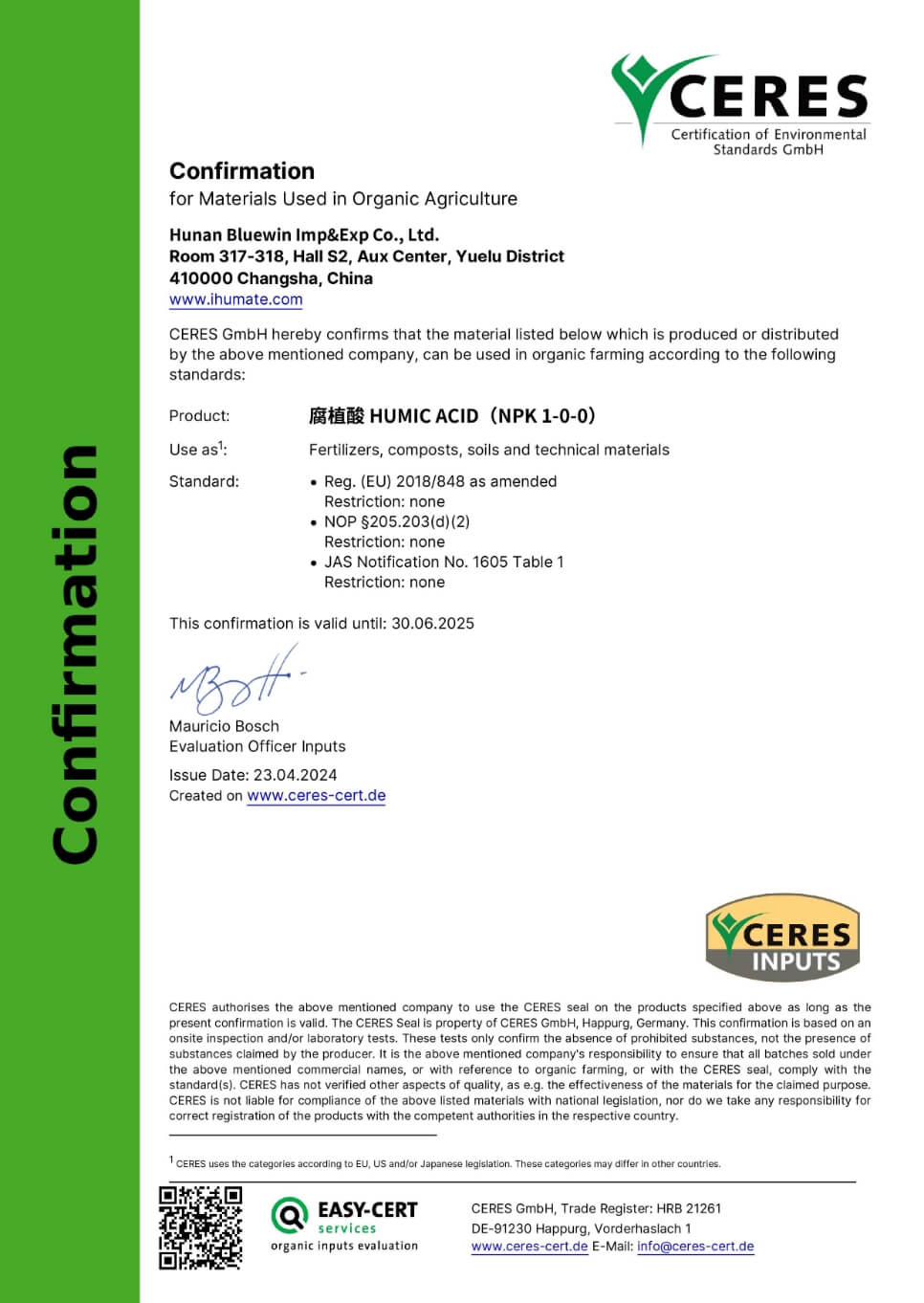
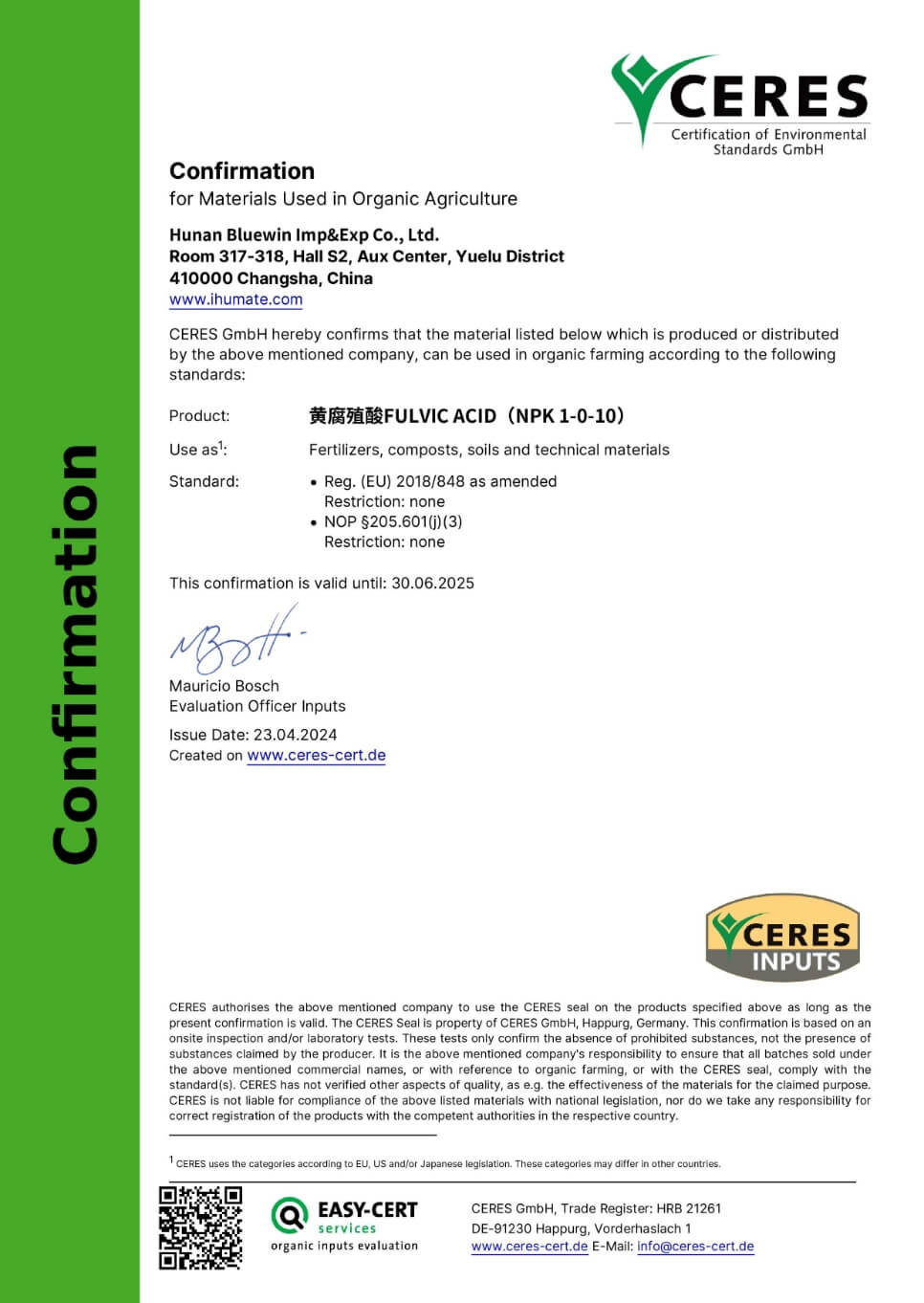
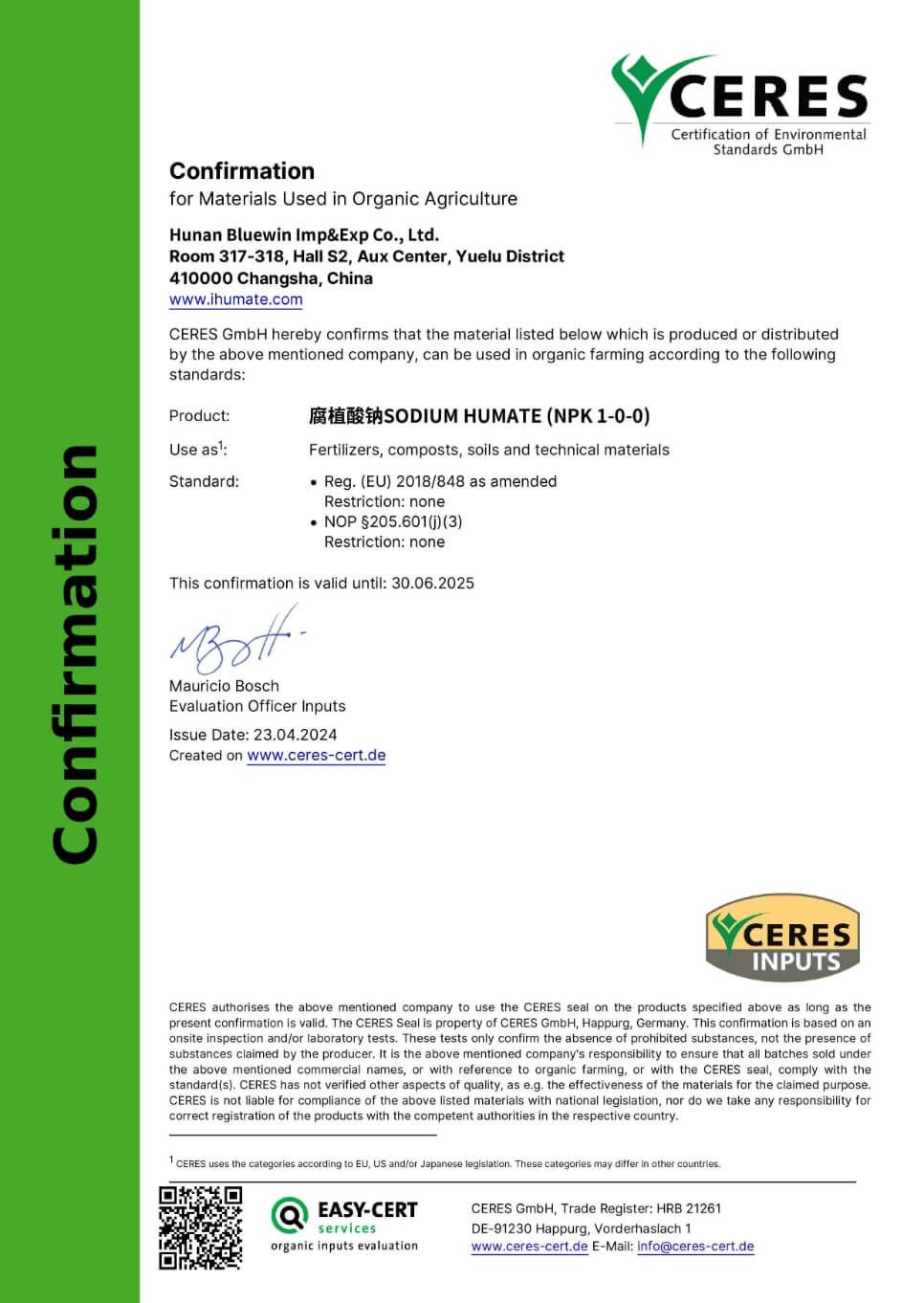
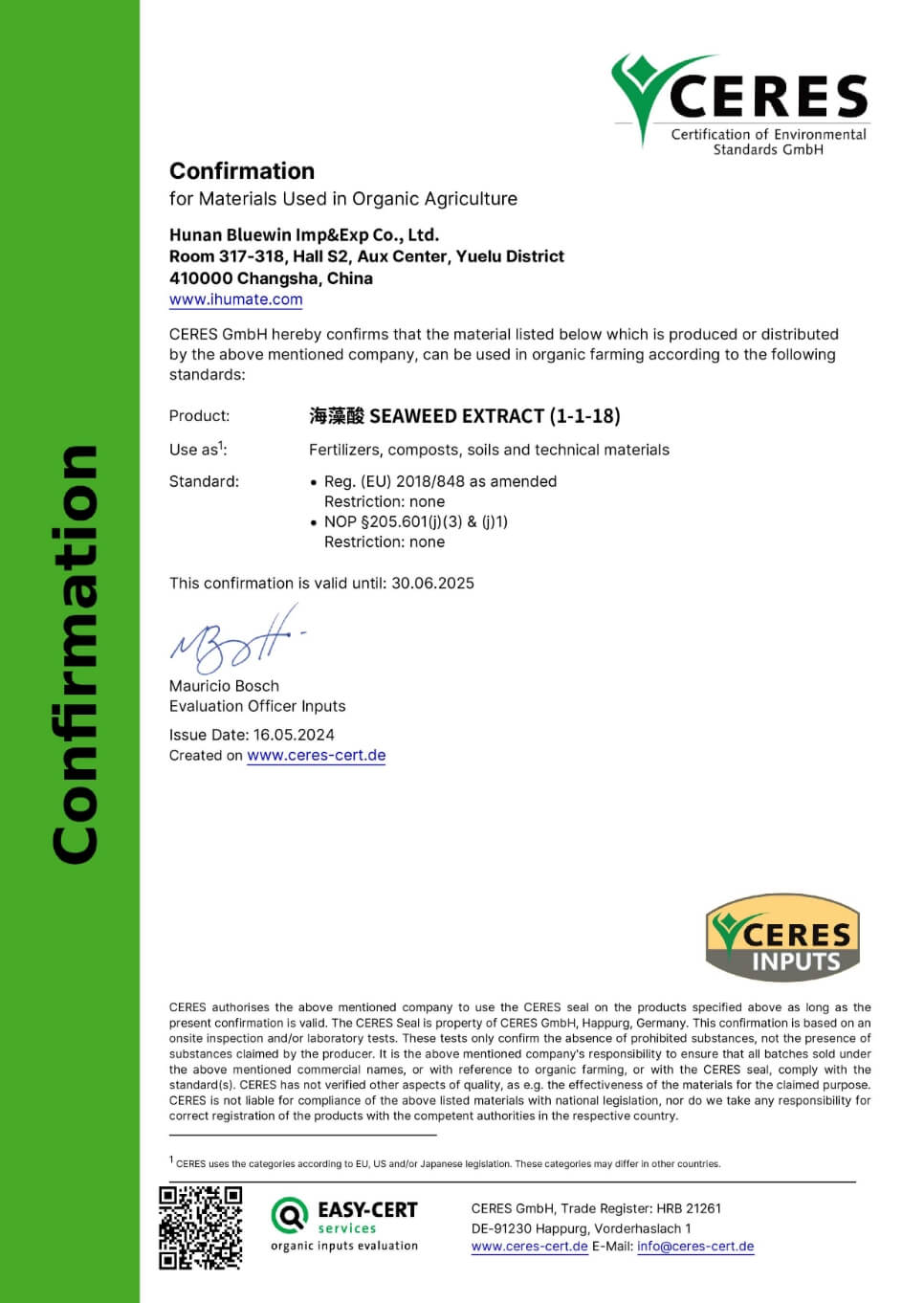
Ihumate is backed by globally recognized certifications.
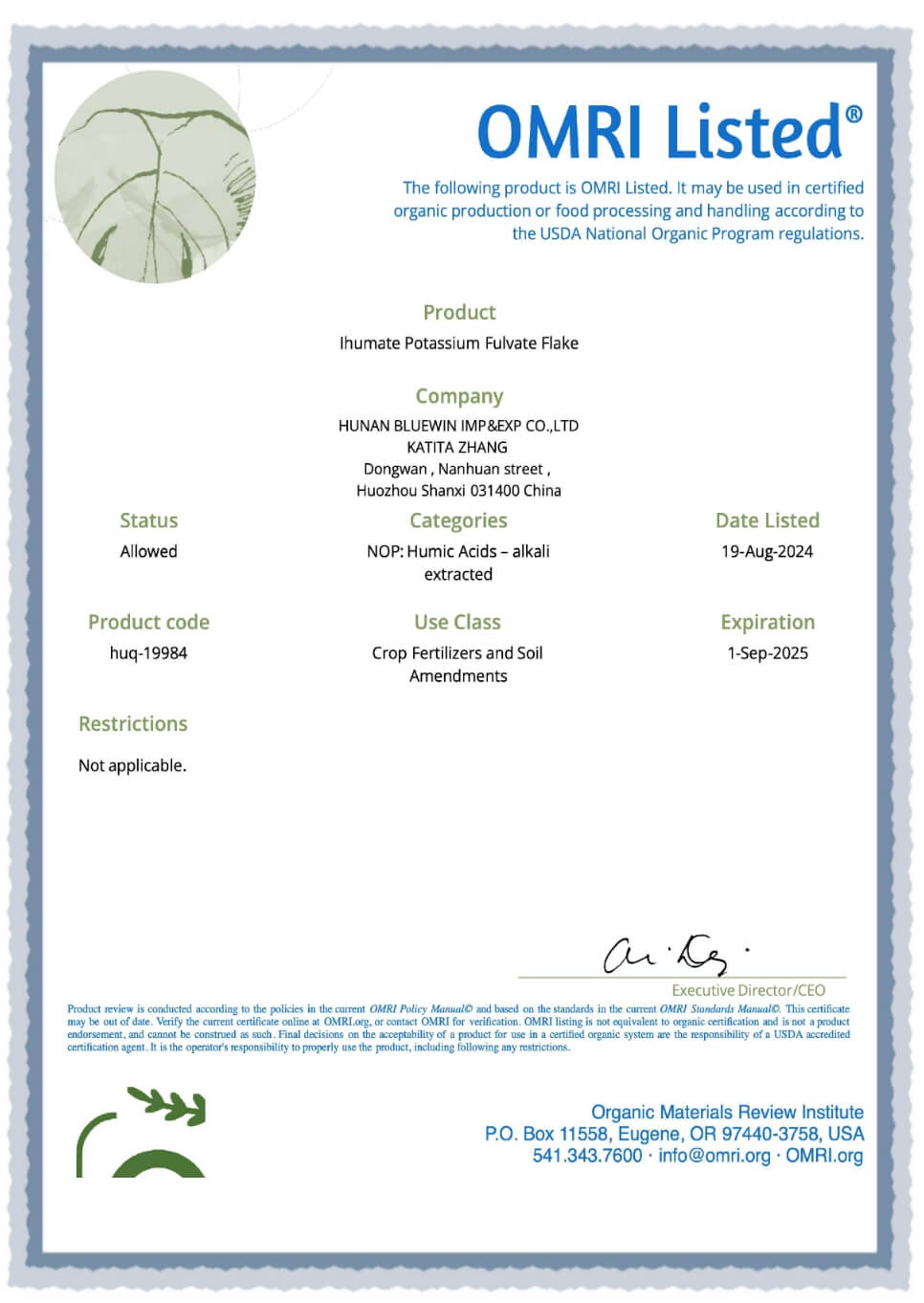
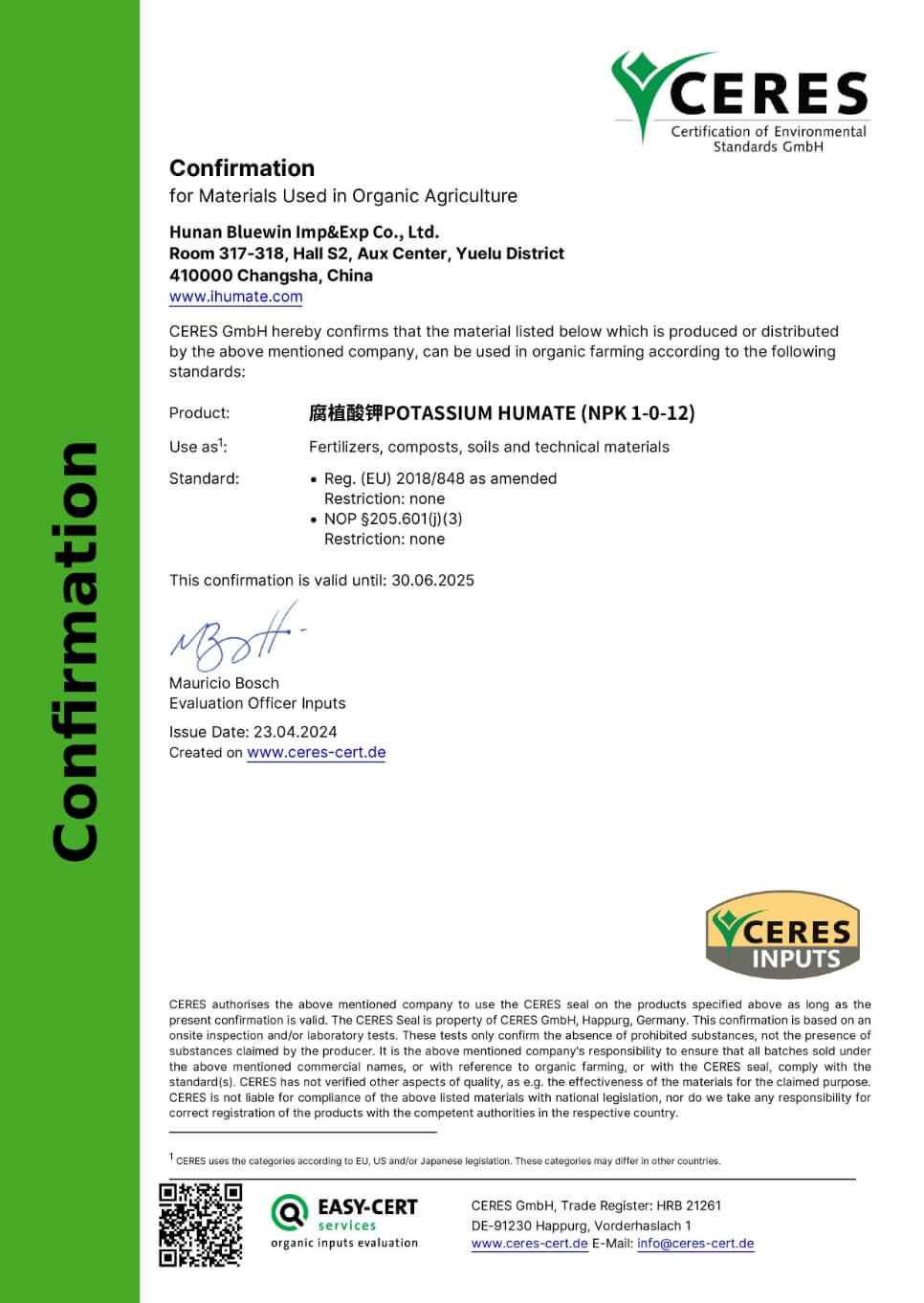
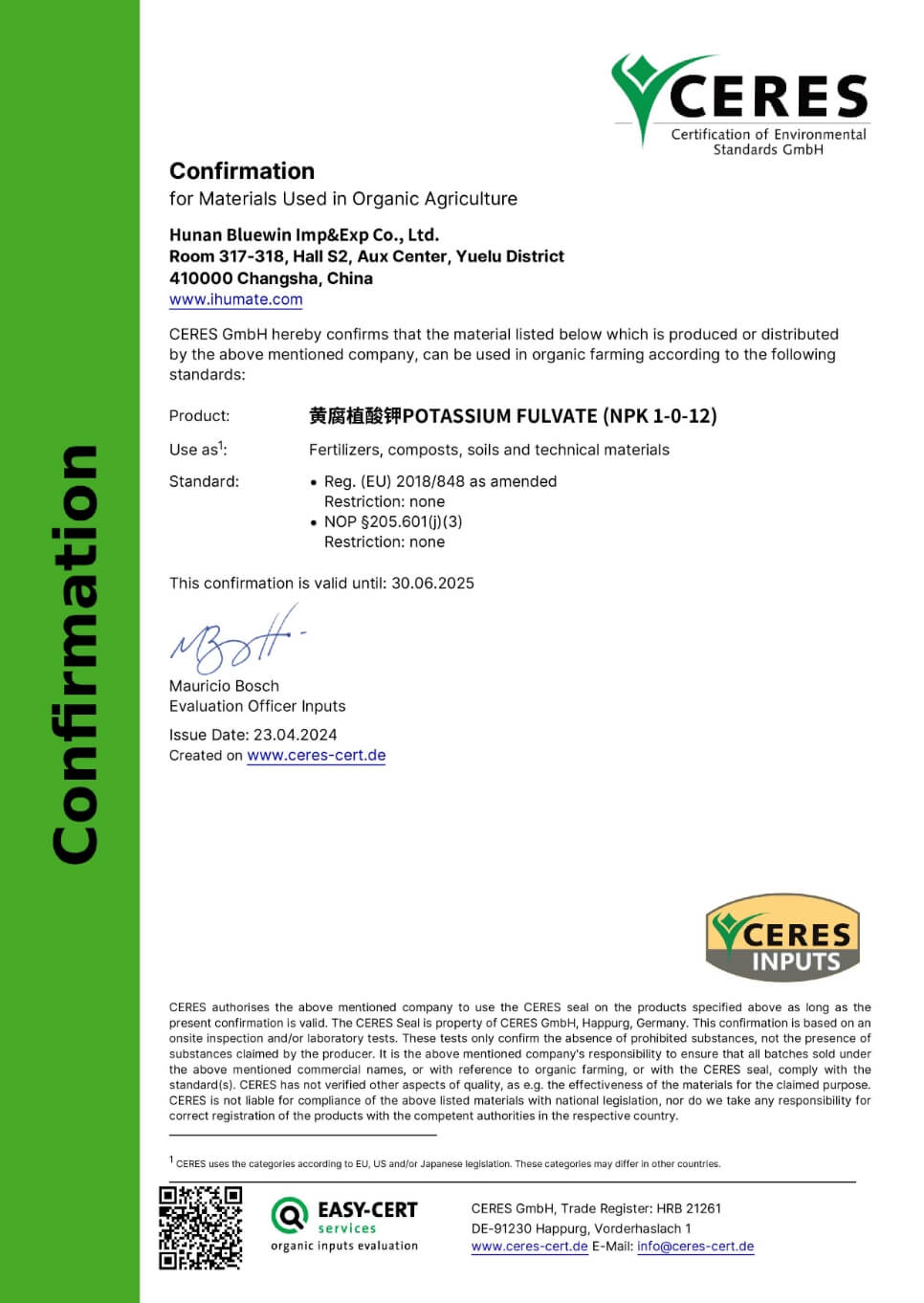
- 🏅 OMRI Listed – Approved for organic use (USDA/NOP standards)
- 🏅 CERES Certified – High-standard organic inputs for sustainable agriculture
- ✔ Excellent international production process with full batch traceability
- ✔ Meeting the strict demands of global distributors and formulators
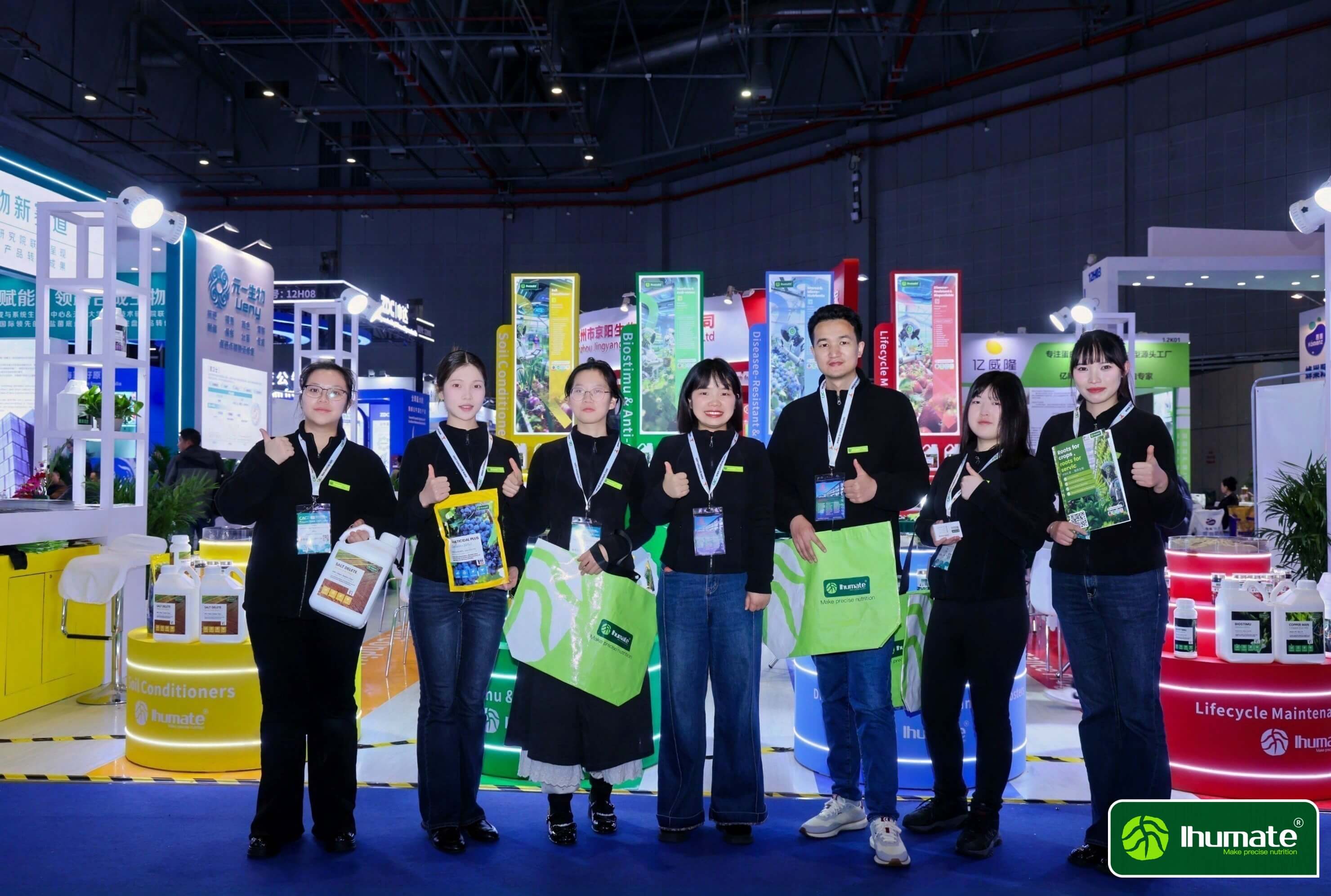
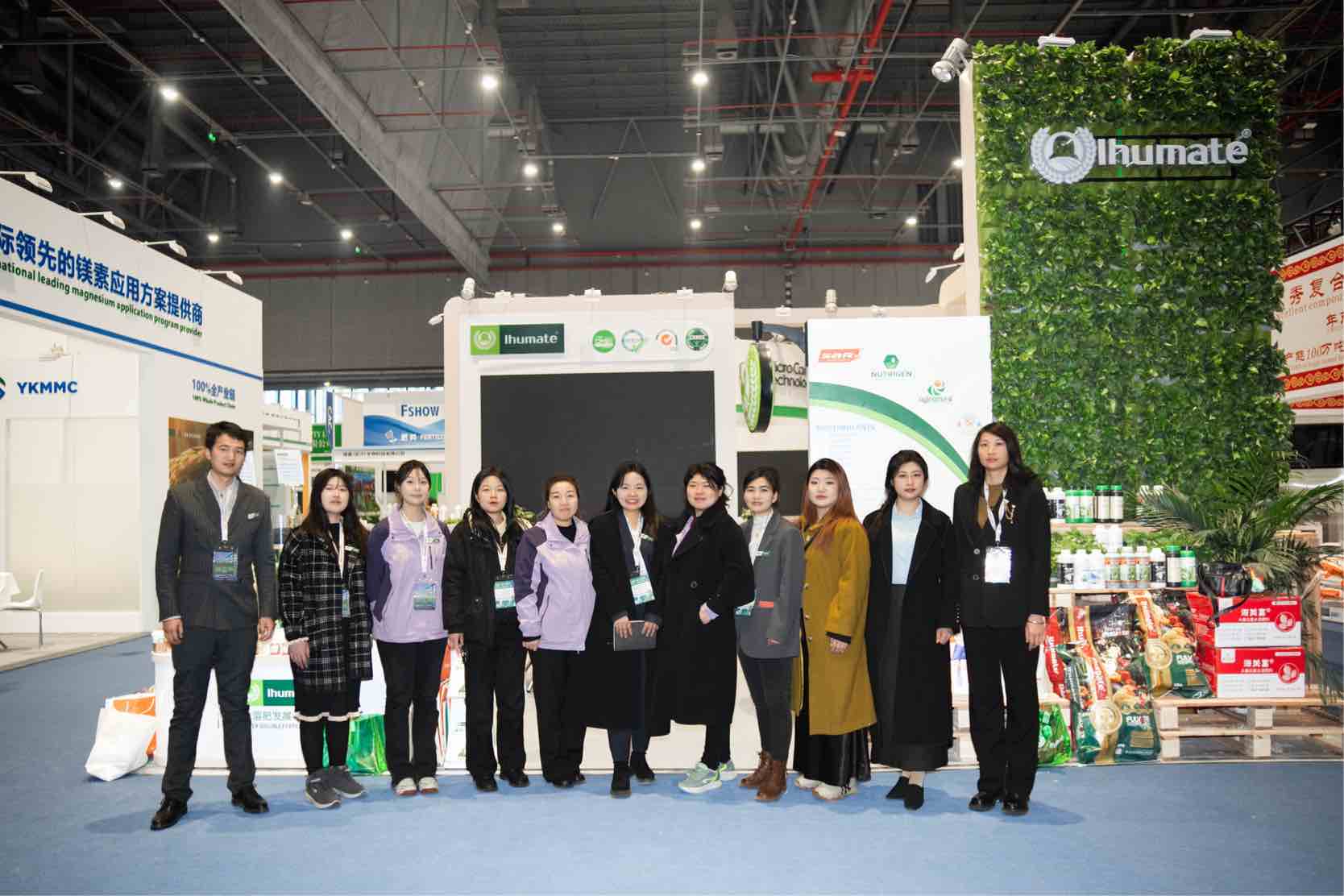
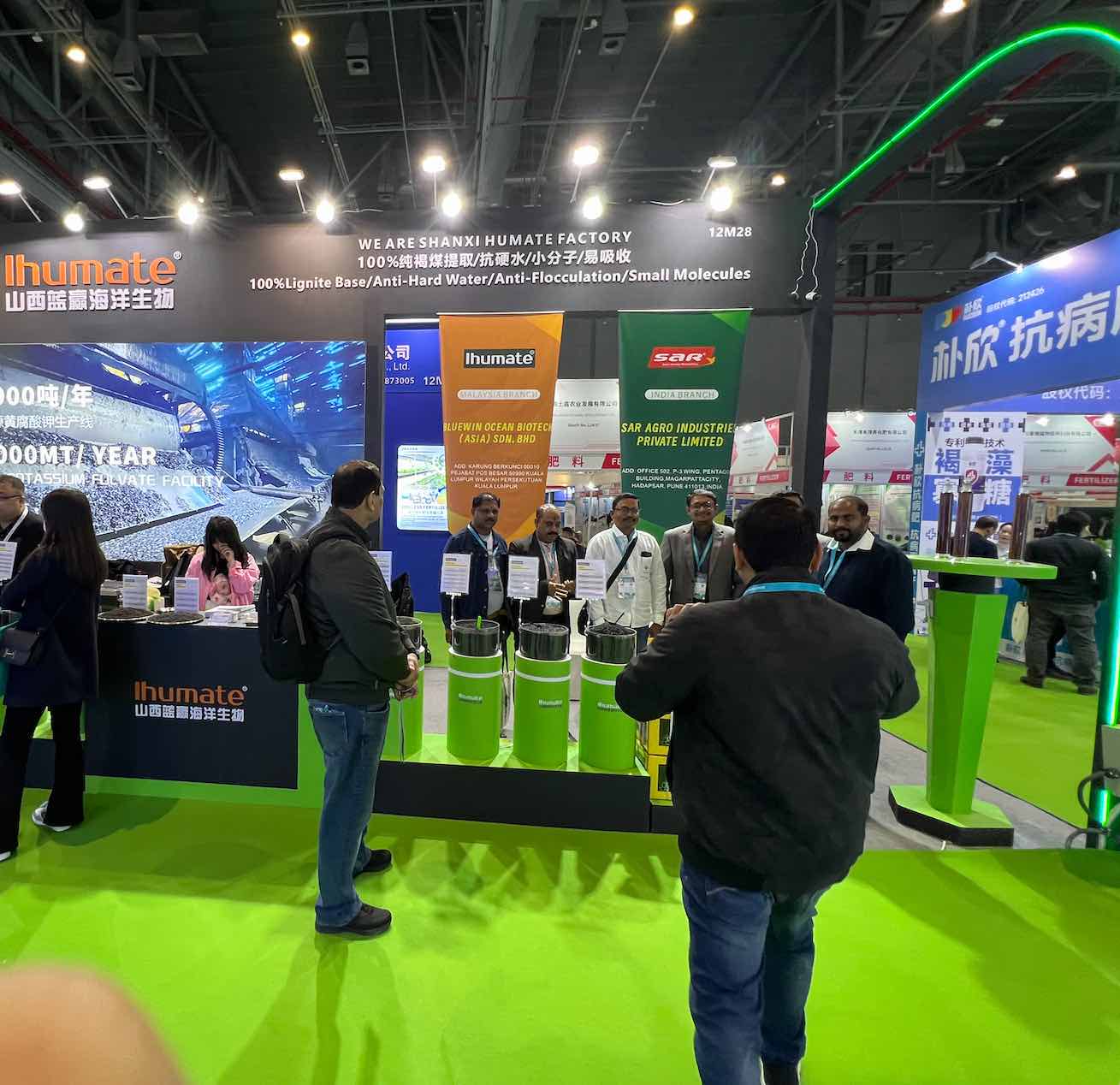
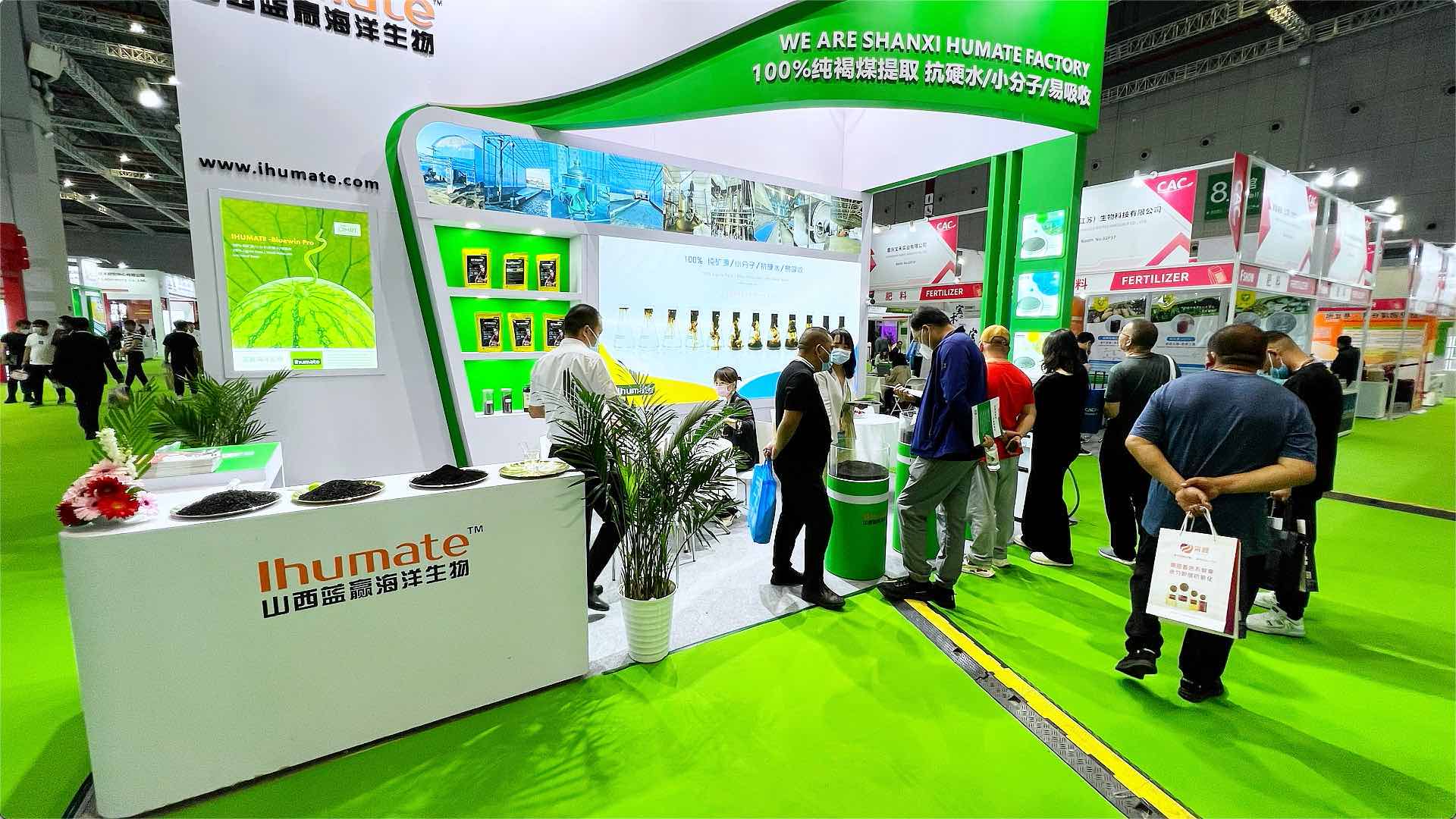
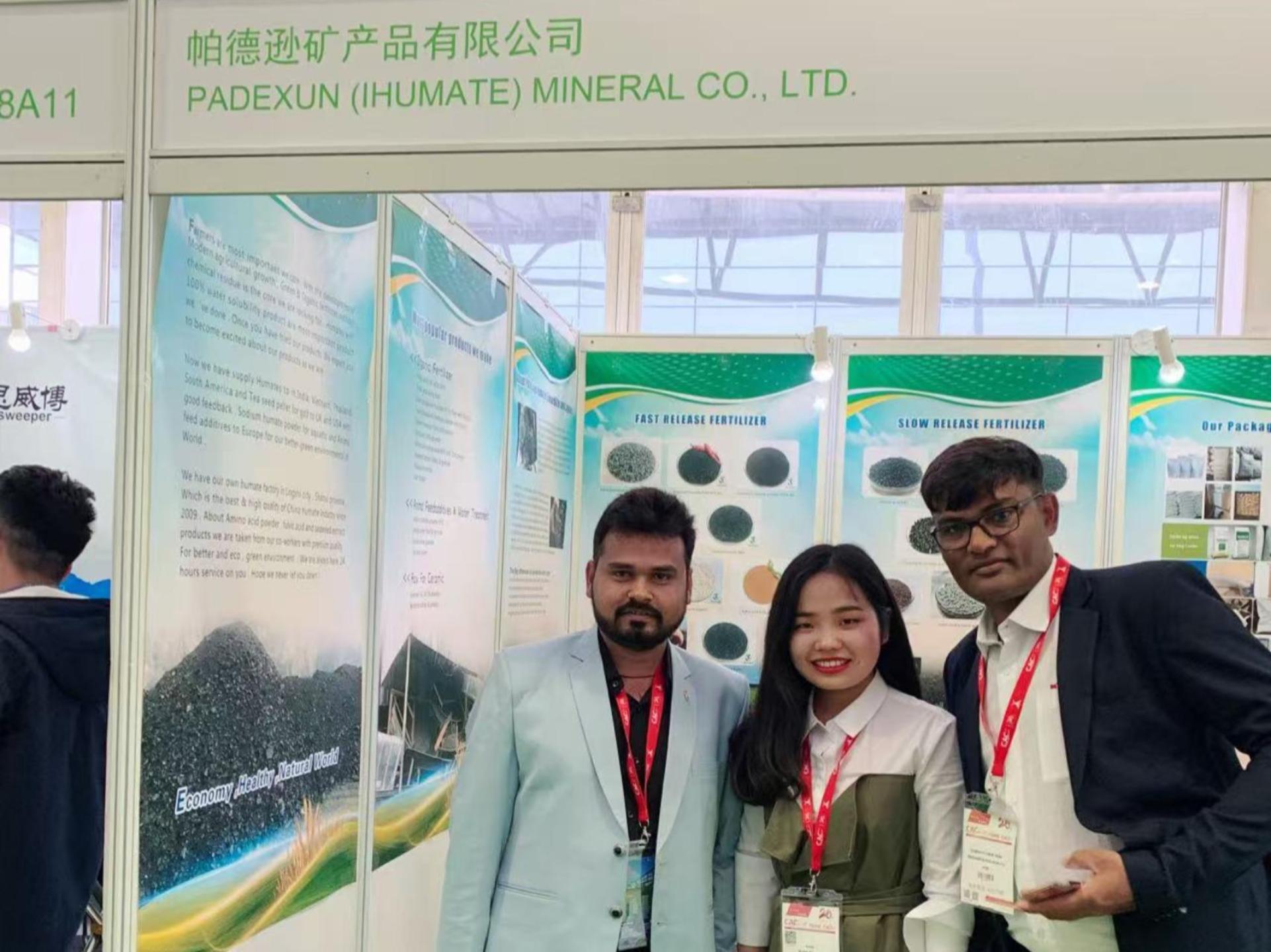
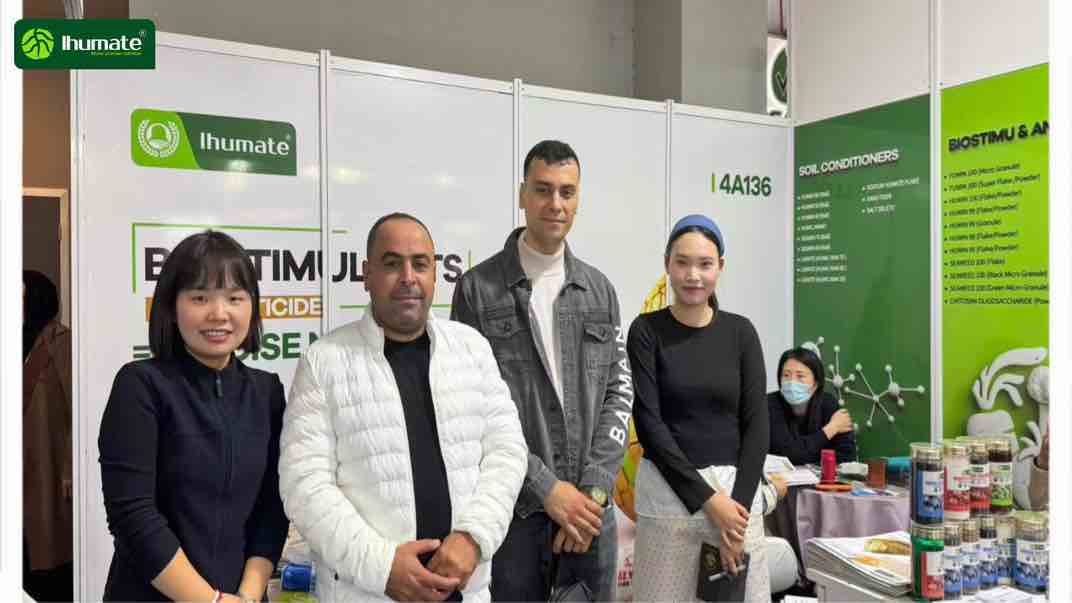
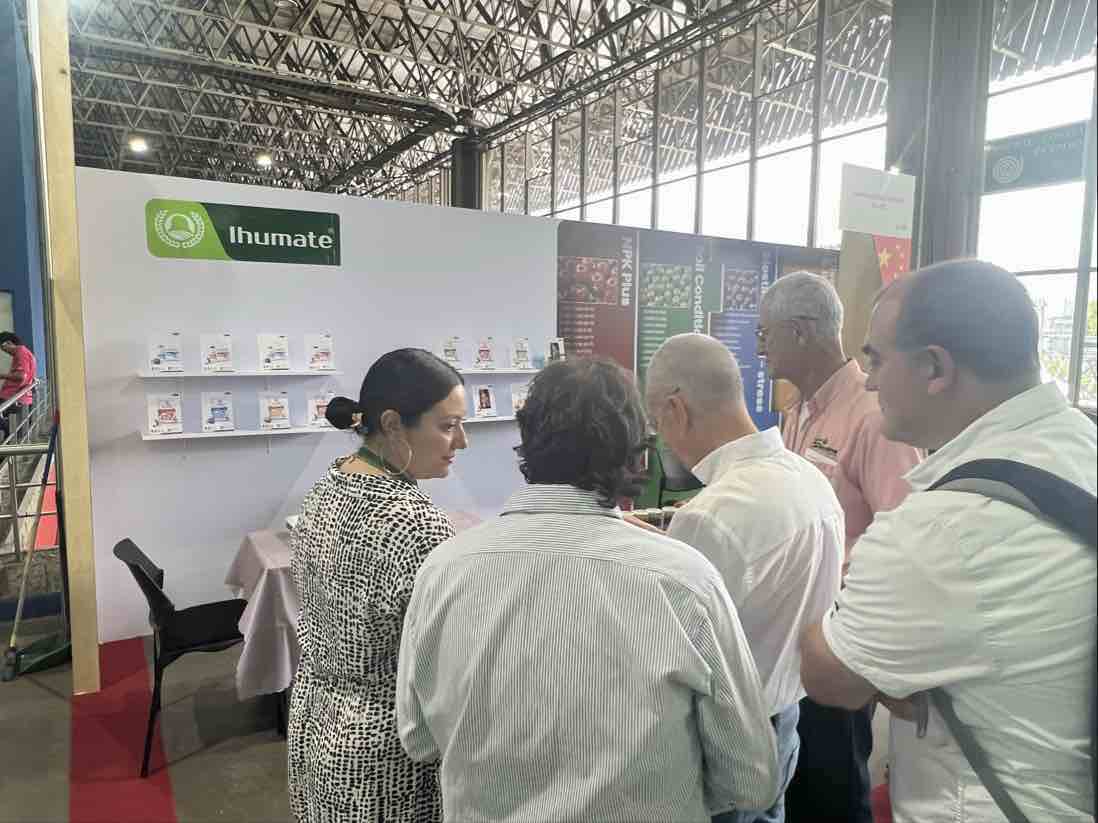
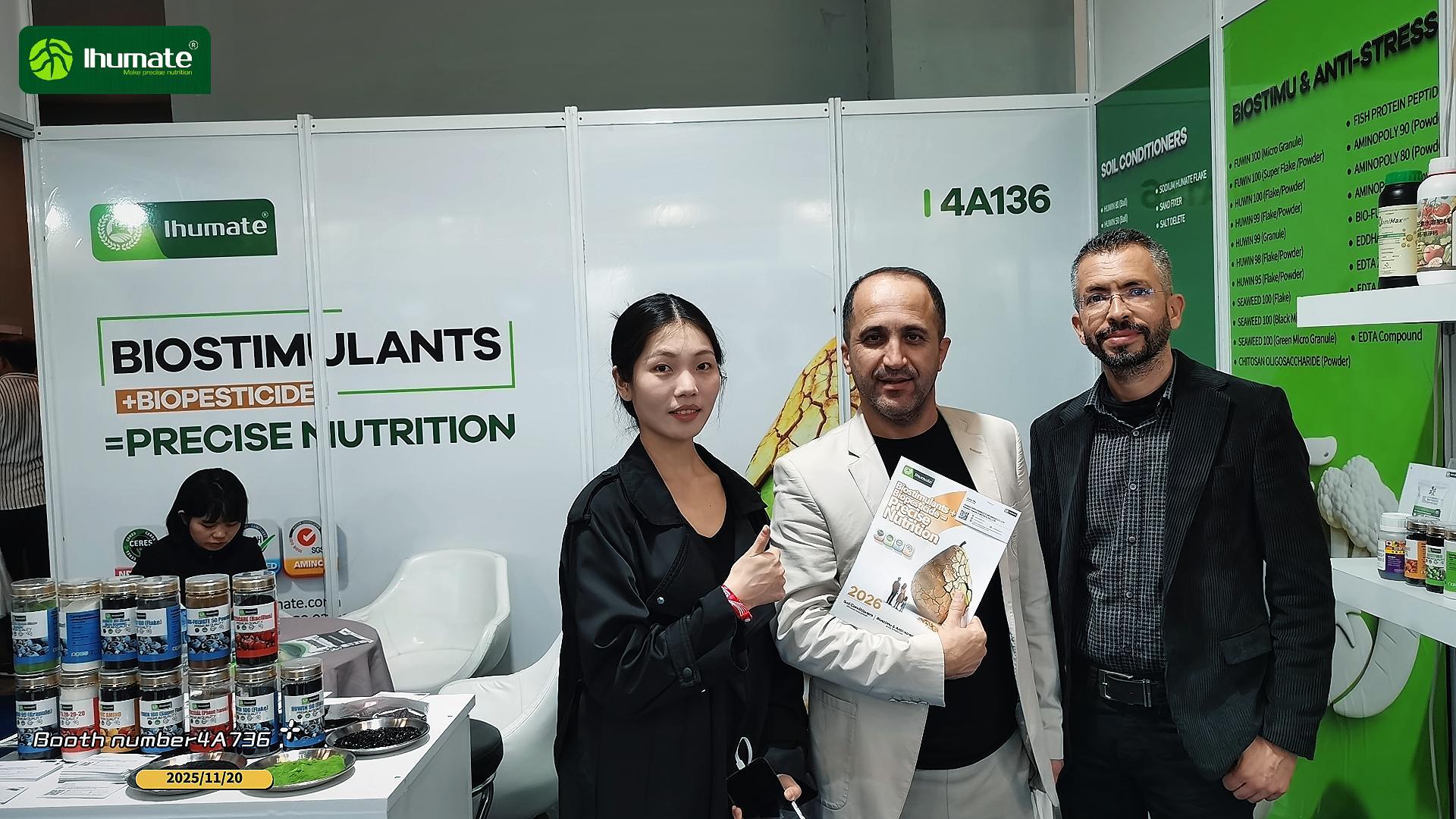
Ihumate Global Exhibition Videos
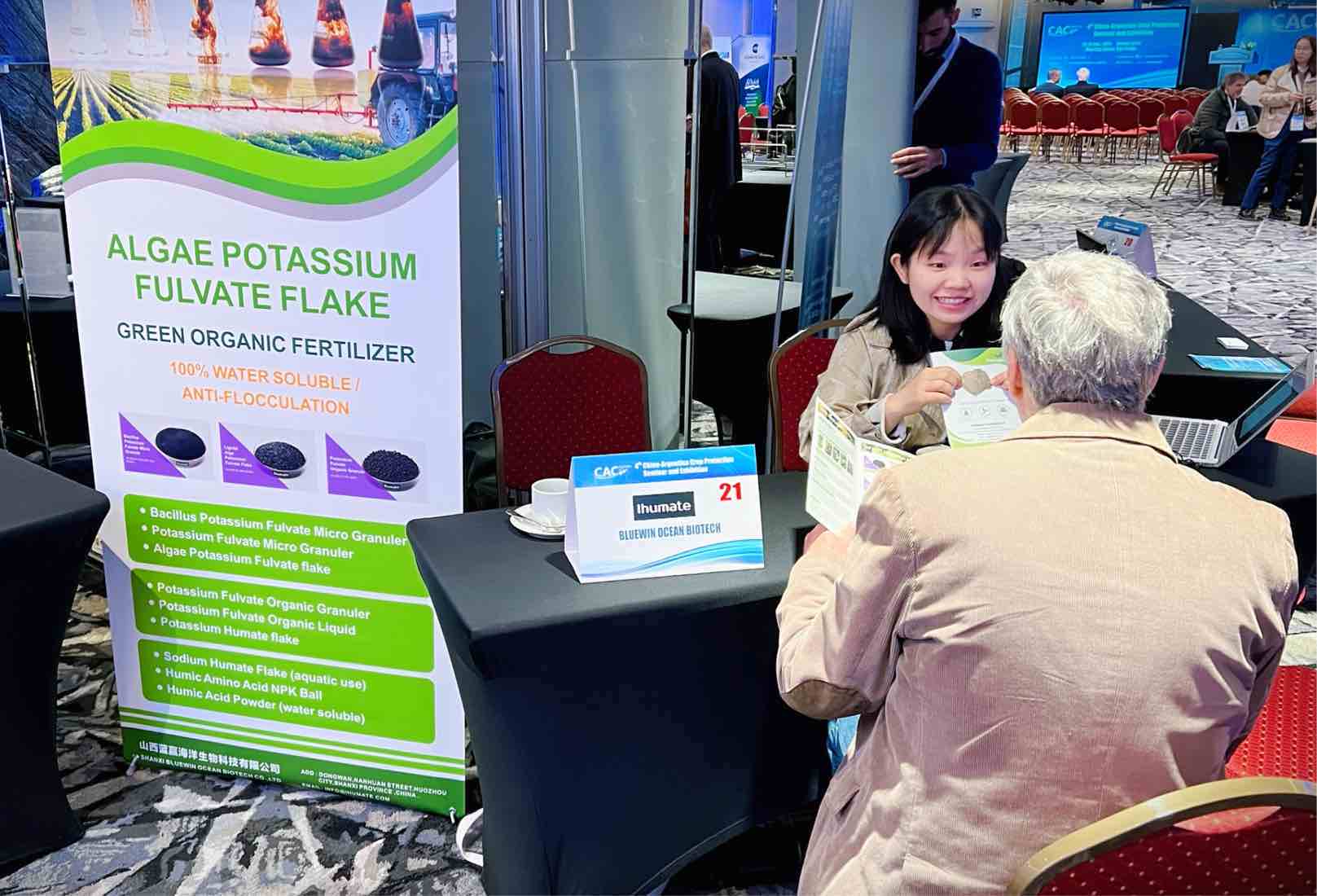
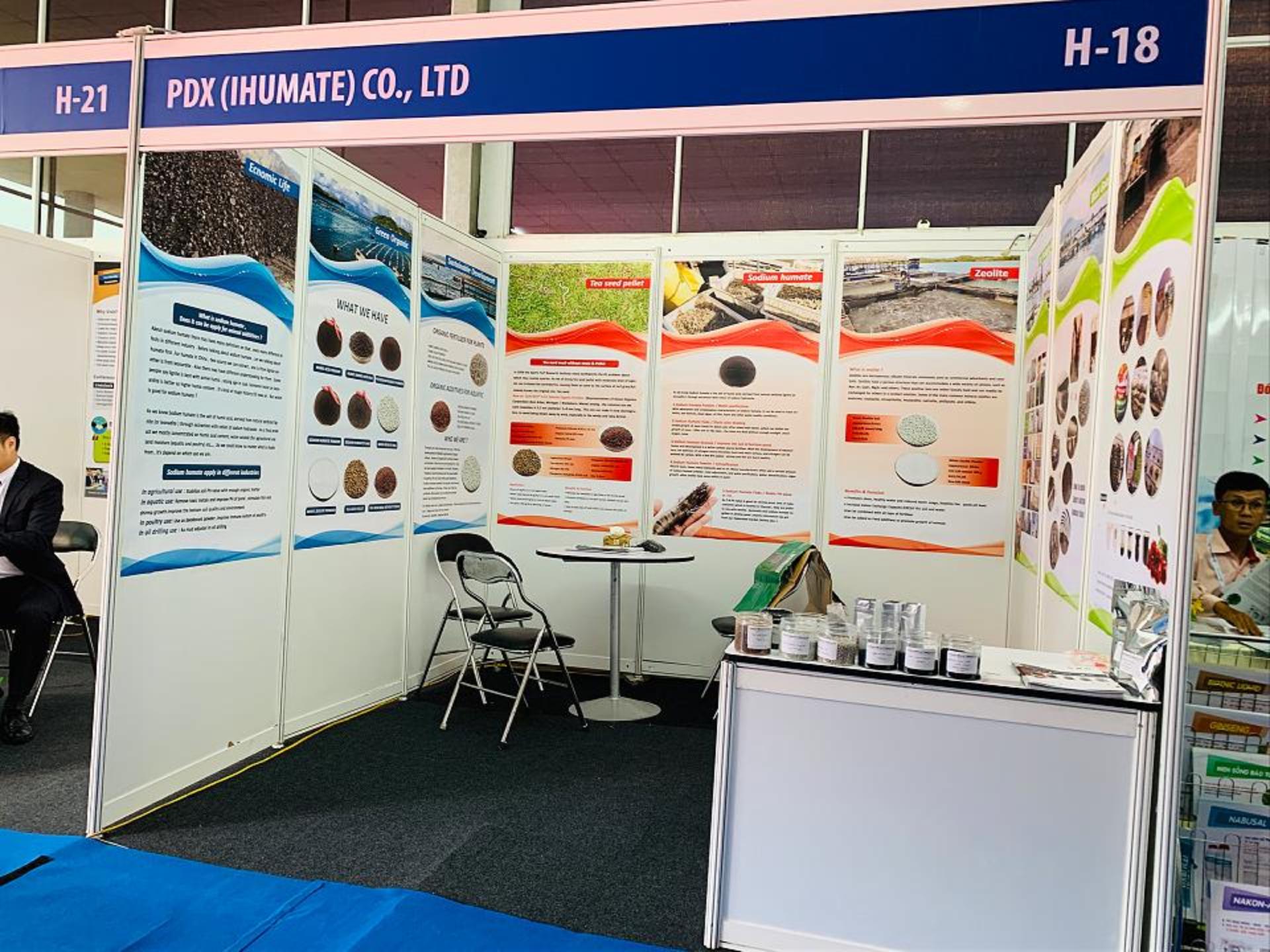
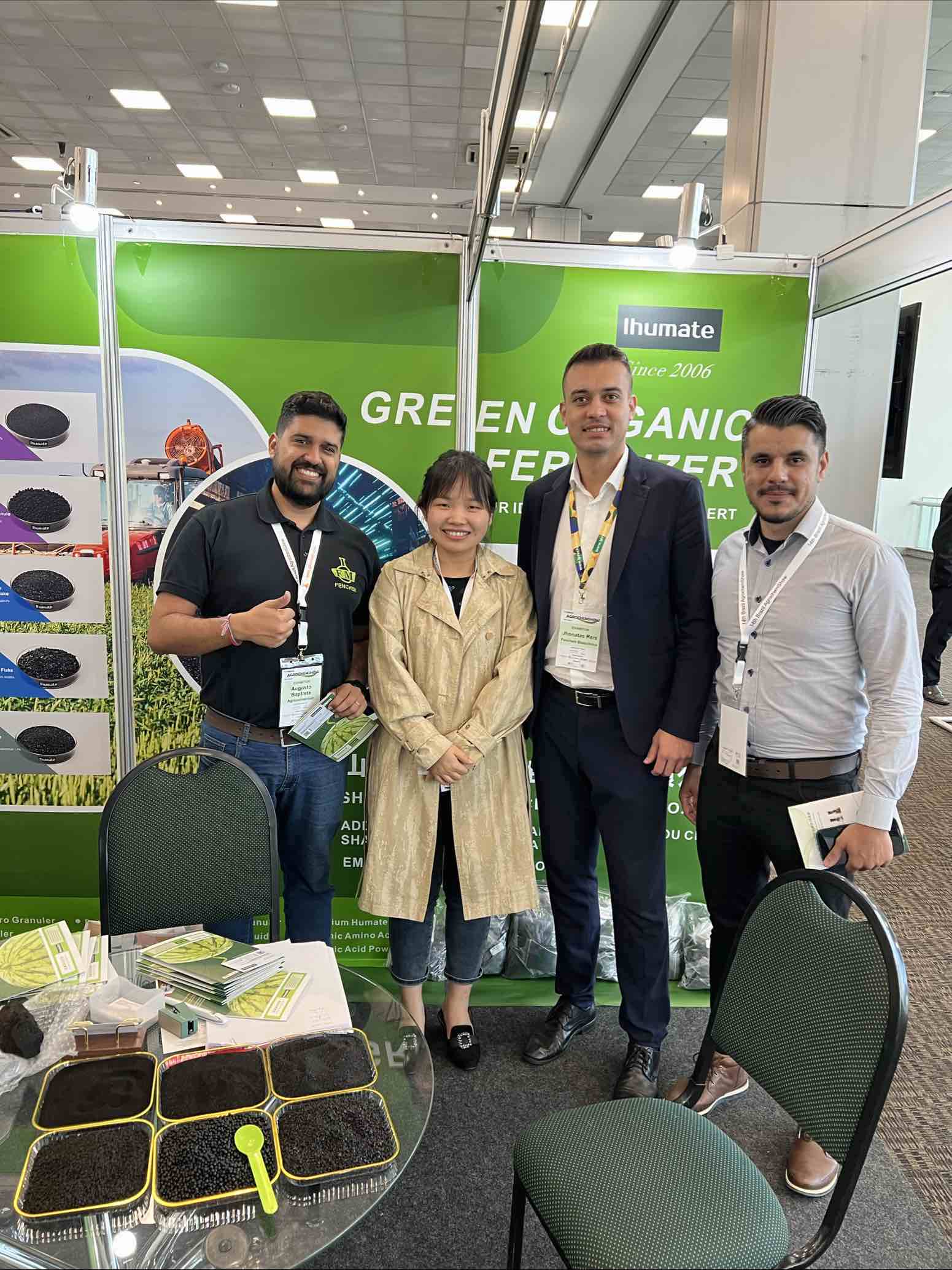
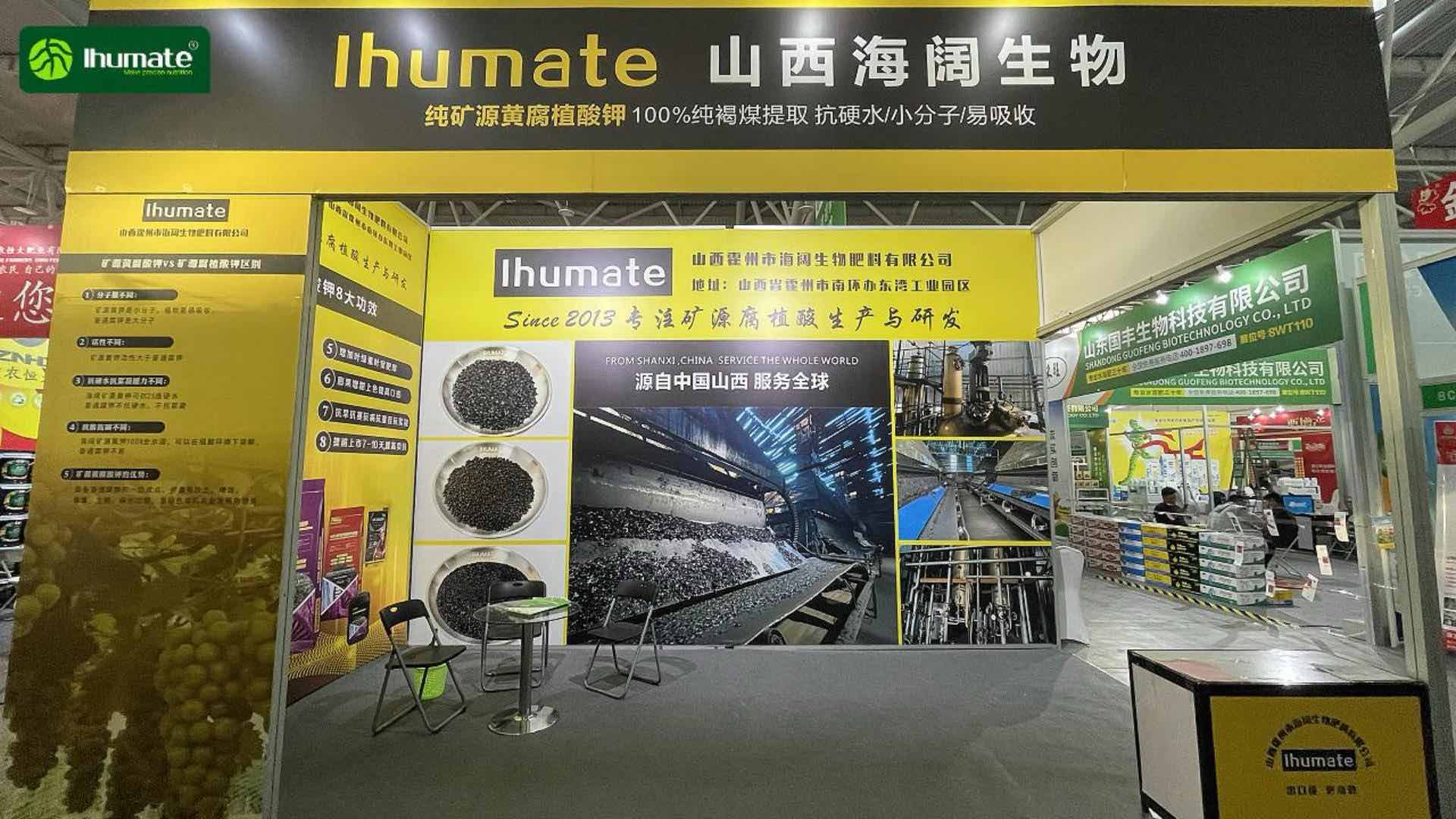
We showcase our Humic Acid, Seaweed, Liquid Fertilizer, and Bio-control series globally.
Join us at our 2026 exhibitions:
Event: Shanghai CAC (Fshow)
Booth: 12G05
Date: March 17-19, 2026
Address: No. 333 Songze Avenue, Qingpu District, Shanghai
Join us at our 2026 exhibitions:
Event: Shanghai CAC (Fshow)
Booth: 12G05
Date: March 17-19, 2026
Address: No. 333 Songze Avenue, Qingpu District, Shanghai

No. 64 Nangou, Chencun, Bailong Town, Huozhou City, Linfen City, Shanxi Province

© 2017 Shanxi Ihumate Biotech Co.,Ltd. All Rights Reserved | Privacy Policy | Powered by Ihumate