


Patented Salt-Tolerant Microbes for Saline Soil: Suaeda Trial Data and Results
Ihumate | June 10, 2026
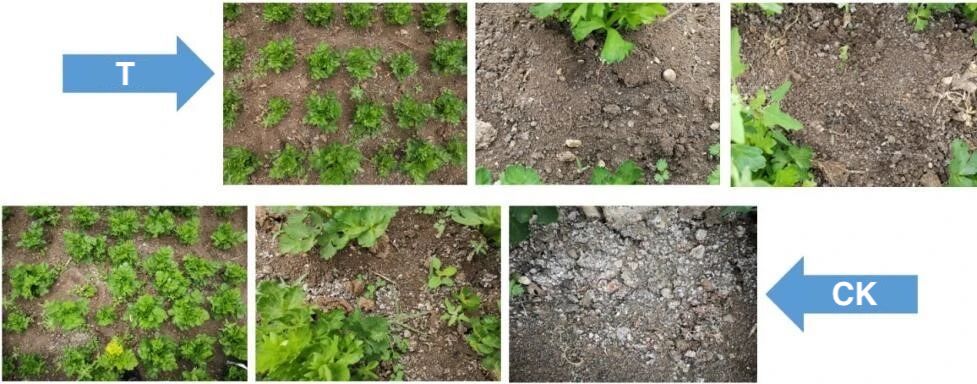
Table of Contents
- Why saline soils require salt-tolerant strains
- Why Suaeda-associated microbes are studied
- Joint research by Ihumate Biotech and Vland
- Patented strains and four core functions
- Salt, heat and formulation stability
- Soil microbial trial results
- Ihumate product recommendations
Why saline soils require salt-tolerant strains
Saline and alkaline soils occur widely, while continuous cropping and unsuitable fertilizer or pesticide practices can also intensify secondary salinization in protected cultivation. High salinity, alkalinity and osmotic pressure restrict the survival and colonization of ordinary microbes, so a microbial soil program must first address strain adaptability.
After studying production areas in different ecological regions, Ihumate Biotech focused on multifunctional microbes associated with the halophyte Suaeda for saline-soil recovery, rhizosphere health and crop production.
Why Suaeda-associated microbes are studied
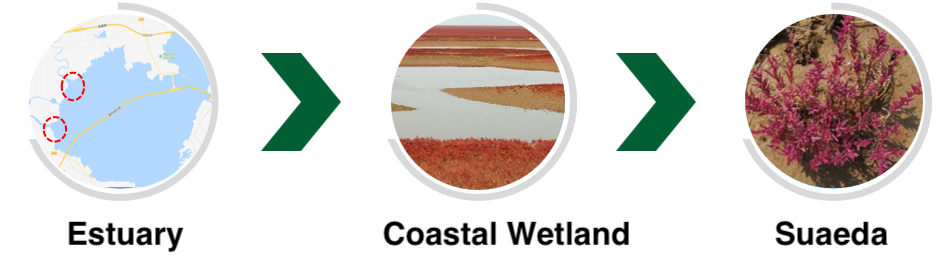
Suaeda naturally grows in coastal intertidal zones and other saline environments. Its internal tissues and rhizosphere experience sustained salt and alkali pressure, giving associated microbes distinctive metabolic regulation and strong potential for salt tolerance, crop stress support and salinity management.
Ihumate Biotech organizes this work around microbe-soil-plant interactions:
- Salt tolerance: selected strains maintain survival and metabolic activity under saline-alkaline conditions.
- Crop salt resistance: strains colonize saline soil and form functional biofilms around roots, helping reduce rhizosphere stress while supporting integrated soil-borne disease and nematode management.
- Salinity regulation: Suaeda-derived metabolites and external interaction factors work together to reduce soil EC pressure and improve the soil microbiome.
Joint research by Ihumate Biotech and Vland
On June 13, 2022, Ihumate Biotech and Vland established a joint laboratory to develop Suaeda functional microbes. The platform uses MHR high-throughput screening and identification equipment, metabolite analysis and a strain bank to investigate functions such as Botrytis resistance, phosphate solubilization, soil microbiome regulation and biological weed control.
More than 10,000 biocontrol fungal and bacterial strains across nearly 200 genera have been identified and registered, with isolation and functional screening continuing.
Patented strains and four core functions
The selected multifunctional strains combine saline-alkaline adaptability with potential activity against soil-borne pathogens and nematodes and can be formulated with active metabolites. The strains originate from a marine mudflat collection and are associated with patents ZL202010024297.0 and ZL201710151634.0.
Within the Ihumate portfolio, Suaeda Extract and Agropha G31A, together with Agropha G31B, represent this salt-tolerant microbial and functional-factor approach:
- Microbiome regulation: reduce pressure from miscellaneous and harmful microbes while increasing beneficial populations.
- Rhizosphere protection: colonize saline soil, form biofilms and support integrated pathogen and nematode management.
- Root-growth support: produce metabolites including auxins, indole-3-acetic acid and zeatin. In the tomato trial, yield increased 12.2%, soluble solids 14.5% and vitamin C 37.7%.
- Nutrient-use efficiency: produce organic acids and enzymes that help convert fixed phosphorus and potassium into plant-available forms.
Salt, heat and formulation stability
Performance tests showed that the Suaeda functional microbes retained more than 80% survival in a 10% sea-salt solution. Cell counts were largely unchanged after 15 minutes at 80°C, while survival remained above 60% after five minutes at 150°C. Counts also remained stable for 12 months when blended with 45% and 48% compound fertilizers.
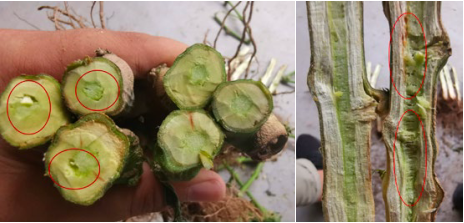
Chili plant trial: the inoculated group had a well-filled pith, strong xylem and phloem transport capacity, and no disease symptoms.
Soil microbial trial results
The plate-count trial used three sampling dates:
- T1, February 14, before inoculation: the soil contained diverse miscellaneous microbes and some harmful colonies; total count was 1×10⁷ CFU/g.
- T2, February 22, seven days after inoculation: miscellaneous colonies decreased and the inoculated target microbes were detected at 1.5×10⁷ CFU/g.
- T3, March 14, 30 days after inoculation: beneficial microbes continued to increase while miscellaneous and harmful microbes declined further; target count reached 2×10⁷ CFU/g.
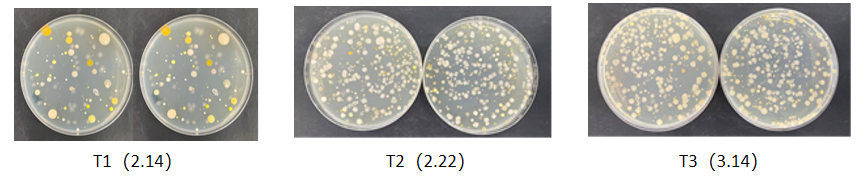
Soil chemical testing also examined the conversion of insoluble nutrients into available forms. Together, the observations, colony counts and nutrient data indicate sustained target-strain colonization, a more favorable microbial structure and nutrient activation under the trial conditions. Local validation should still account for soil EC, pH, crop, irrigation and fertilizer practice.

Ihumate Product Recommendations
- Nemawin Max: Suaeda Extract, salt-tolerant Agropha G31A, humic acid and Agropha PGA for integrated nematode, salinity and rhizosphere management.
- Nemawin Plus: a fully water-soluble liquid with Suaeda Extract, Agropha G31B and Glychela-Zn for drip and root-zone application.
- Proteinic Microbial: salt-tolerant live microbes, protein and organic carbon for saline and continuously cropped soils.
- Soil Conditioners: Ihumate humic, microbial and organic-carbon soil-management products.
- Additional relevant products: AgroPha G31 Bacillus velezensis, Desalt Plus, AgroPha PGA Polyglutamic Acid Liquid, BioShield Microbial Biocontrol Powder.